


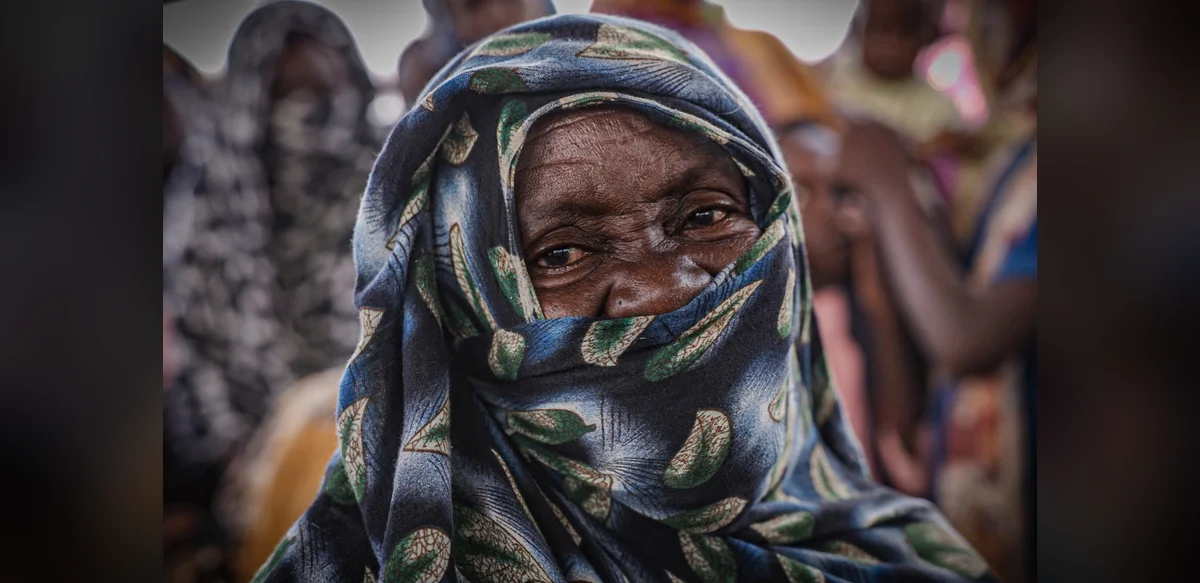
Sudan’s ongoing internal conflict has escalated into one of the most severe humanitarian emergencies currently facing the international community. Reports from aid organizations indicate that millions have been forced from their homes, with widespread shortages of food, water and medical supplies affecting large portions of the population.
The United Nations has highlighted risks of large-scale atrocities, including potential acts that could meet criteria for genocide. Despite these alerts, sustained global engagement remains limited, allowing the situation to deteriorate further in multiple regions.
Fighting between rival military factions has disrupted essential services across urban and rural areas alike. Hospitals operate with minimal staff and supplies, while markets struggle to maintain basic goods. Displacement camps have grown rapidly, often exceeding capacity and resources.
Aid workers describe challenges in reaching affected communities due to ongoing hostilities and damaged infrastructure. Many families have fled multiple times, seeking safety in neighboring countries or within safer domestic zones.
Food insecurity has reached critical levels, with projections suggesting that significant numbers could face acute hunger in the coming months. Agricultural production has fallen sharply because of insecurity and lack of access to fields.
International agencies continue to call for increased funding and access corridors to deliver assistance. Some diplomatic efforts have sought ceasefires, yet progress has been slow amid mutual accusations between the parties involved.
Local communities have shown resilience through informal support networks, though these are strained by the scale of need. Children have lost access to education, and health risks from preventable diseases have risen in crowded conditions.
Observers note that the conflict’s complexity, involving shifting alliances and external influences, complicates resolution efforts. The absence of consistent media coverage has contributed to lower public awareness compared to other global crises.
Humanitarian groups emphasize the need for coordinated action to prevent further deterioration. Without renewed attention and resources, the current trajectory points to prolonged suffering for civilians caught in the middle.
The situation underscores broader challenges in addressing internal conflicts where early warnings do not always translate into timely intervention. Sudan now represents a test case for international mechanisms designed to respond to emerging threats of mass displacement and famine.

