

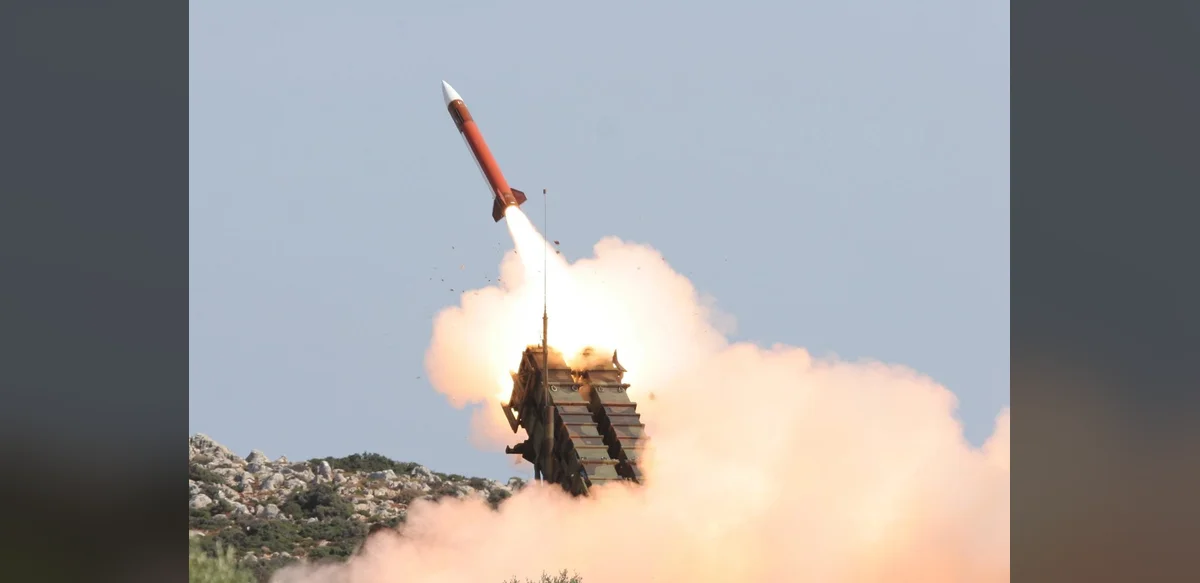
Recent assessments from defense analysts indicate that the United States has significantly reduced its inventory of critical munitions during the ongoing conflict involving Iran. The situation has prompted questions about long-term military readiness and the pace at which stockpiles are being consumed.
Officials have noted that precision-guided missiles and other advanced ordnance have been used at rates higher than anticipated in initial planning documents. This accelerated usage stems from sustained operations aimed at neutralizing specific targets. Supply chain managers are now evaluating replenishment timelines that could extend into multiple years given current production capacities.
The depletion affects several categories of weapons systems that form the backbone of American power projection. Cruise missiles in particular have seen notable drawdowns. Industry partners responsible for manufacturing these items report that factories are operating at maximum output yet still face backlogs. Raw material shortages and skilled labor constraints further complicate efforts to restore inventories quickly.
Congressional oversight committees have requested detailed briefings on remaining quantities and projected consumption under various scenarios. Lawmakers from both parties have expressed interest in understanding how future contingencies might be affected if additional commitments arise elsewhere in the region. Some have advocated for supplemental funding measures to accelerate production lines.
Military planners emphasize that operational decisions continue to prioritize mission success while attempting to conserve resources where feasible. Alternative tactics involving airpower and allied contributions are being incorporated to distribute the burden. These adjustments reflect an effort to balance immediate objectives against the need to maintain strategic reserves.
International observers have also taken note of the munitions situation. Allies in the Middle East and Europe are monitoring developments closely as they consider their own defense postures. Discussions around joint procurement initiatives have gained momentum in recent weeks as a potential way to mitigate individual shortfalls.
Historical comparisons show that previous conflicts produced similar strains on ammunition supplies. Lessons from those episodes have informed current logistics models yet the scale and duration of the present engagement present unique challenges. Analysts continue to track expenditure rates against delivery schedules from defense contractors.
The White House has maintained that the campaign remains focused on achieving defined goals without unnecessary escalation. Briefings to the public have avoided specific figures citing operational security. Nevertheless the broader implications for force posture and budget planning are becoming clearer to those following defense policy.
Production facilities across several states are working extended shifts to meet demand. Government contracts have been modified to include incentives for faster output. Despite these measures experts caution that full recovery of pre-conflict stock levels will require sustained investment over an extended period.
Regional security dynamics add another layer of complexity. Iranian responses and proxy activities have required ongoing vigilance which in turn sustains the demand for munitions. Diplomatic channels remain active in parallel with military efforts though progress has been uneven.
Overall the accounting of available weapons highlights the trade-offs inherent in prolonged engagements. Decision makers face difficult choices regarding prioritization and resource allocation. Continued transparency with legislative bodies will be essential for informed policy adjustments moving forward.


