


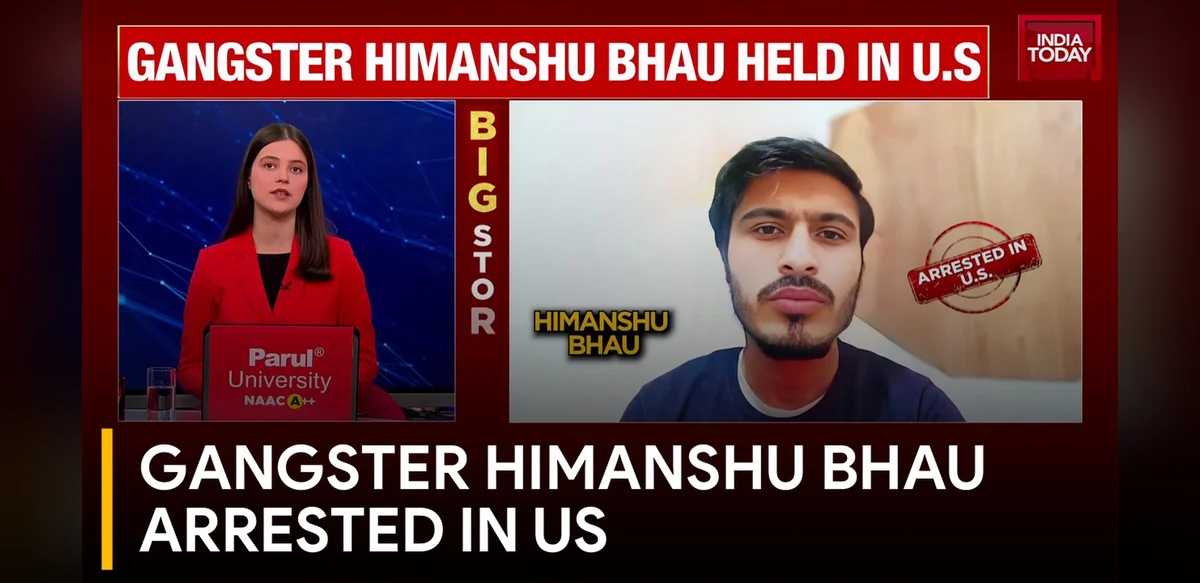
United States authorities have taken into custody an individual identified as a gangster originating from Haryana. The detention occurred on American soil and authorities have confirmed that procedures to return the person to India are now in motion.
The arrest marks another instance of cross-border law enforcement cooperation between India and the United States. Officials stated that the individual had been the subject of an active investigation prior to the operation that led to the detention. Details surrounding the precise circumstances of the arrest remain limited at this stage.
Extradition processes between the two countries follow established legal frameworks. These frameworks require verification of charges, review of evidence, and approval from judicial bodies in both nations. The current case is expected to proceed through these standard channels.
Indian officials have acknowledged the development and indicated that necessary documentation will be prepared to facilitate the transfer. Such transfers typically involve coordination between central agencies and diplomatic channels to ensure compliance with international agreements.
Observers note that cases involving individuals accused of organized crime often require extended periods for completion. Factors such as legal representation, appeals, and verification of identity can influence timelines. Authorities have not provided an estimated date for the completion of the return process.
The incident highlights ongoing efforts by law enforcement agencies to address criminal networks that operate across national boundaries. International cooperation in these matters relies on treaties and mutual legal assistance protocols that have been in place for several years.
Public statements from both sides have remained measured. No additional charges or background details beyond the initial announcement have been released. Media coverage in India has focused on the procedural aspects rather than speculative elements.
Legal experts familiar with extradition matters emphasize the importance of due process. Each step must adhere to the laws of the detaining country while respecting the requesting country’s judicial requirements. This balance ensures that rights are protected throughout the proceedings.
The Haryana connection has drawn attention from regional authorities who may be involved in supplying supporting information. State police forces often assist central agencies when cases involve individuals from their jurisdictions.
As the process moves forward, further updates are anticipated from official sources. Both governments have expressed commitment to handling the matter according to established norms and treaties.
This development occurs amid broader discussions on strengthening mechanisms for handling transnational crime. Regular meetings between law enforcement counterparts from India and the United States aim to improve information sharing and operational coordination.
The individual remains in custody pending the outcome of the extradition request. No information has been provided regarding the specific location of detention or any conditions of confinement.
Journalists seeking clarification have been directed to official spokespersons who continue to monitor the situation. Updates will be issued as verified information becomes available through proper channels.
In summary, the detention represents a routine application of international legal procedures. The focus remains on completing the required steps efficiently while upholding all applicable legal standards.

