


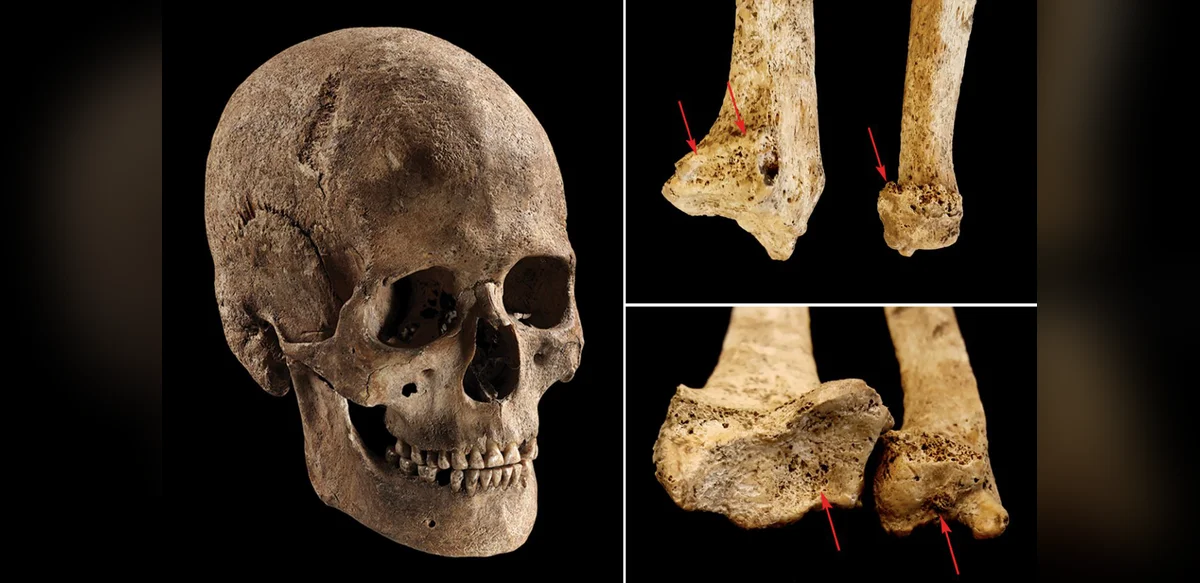
Archaeologists have examined remains known as Rødhals Man, dating back approximately six thousand years and recovered from a site in Denmark. Analysis of dietary indicators preserved in the bones suggests this individual experienced a period of profound societal transformation. The transition from foraging lifestyles to settled farming communities marked a pivotal moment in human development across many regions.
The skeleton provides evidence that the person lived during the early stages when agricultural practices began to take hold in northern Europe. Researchers note that changes in food consumption patterns, inferred from chemical signatures in the remains, align with the gradual adoption of cultivated crops and domesticated animals. This shift altered daily routines, settlement patterns, and resource management for populations in the area.
Such findings contribute to broader understanding of how communities adapted over generations. The arrival of farming introduced new staples into diets, potentially affecting health, population density, and social structures. While the precise circumstances surrounding the individual’s life remain limited, the preserved clues highlight participation in this widespread change.
Experts emphasize the value of skeletal evidence in reconstructing past environments and behaviors. By studying bone composition and associated artifacts, scientists can trace the movement of ideas and technologies without relying solely on written records, which emerged much later. Denmark’s archaeological record continues to yield materials that illuminate these ancient processes.
The revolutionary nature of agriculture lies in its long-term effects on human societies worldwide. It enabled surplus production, supported larger groups, and eventually led to more complex civilizations. The Danish discovery adds a personal dimension to this narrative by linking one life to the era of innovation.
Further investigations may refine timelines and regional variations in the spread of farming techniques. Current interpretations focus on the dietary transition as a key marker of adaptation. This approach underscores the importance of interdisciplinary methods combining osteology, chemistry, and historical context.
Public interest in such discoveries often centers on their connection to fundamental questions about human progress. The skeleton serves as a tangible reminder of ancestors who navigated significant environmental and cultural shifts. Continued research promises additional insights into resilience and change during prehistoric times.
Overall, the case of Rødhals Man illustrates how individual remains can inform collective histories. The evidence points to a time when traditional ways of obtaining food gave way to systematic cultivation, reshaping landscapes and communities alike. This narrative remains central to studies of early European development.

