


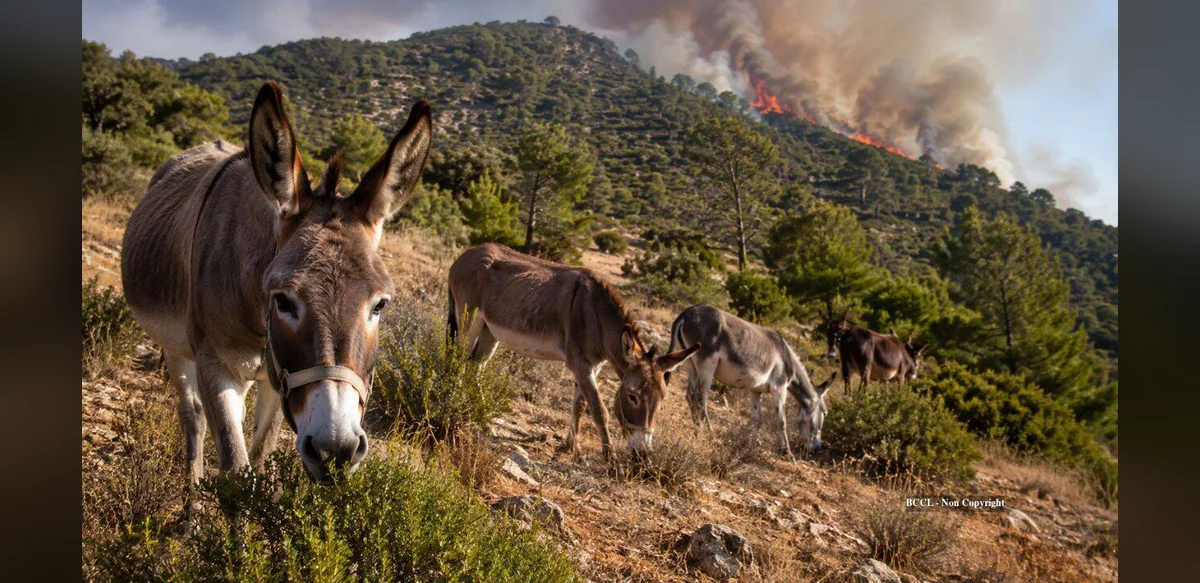
In rural areas of Spain, a dedicated individual has taken an innovative approach to wildfire prevention by working with rescued animals. The project involves training eighteen donkeys that were previously saved from difficult situations. These animals now assist in managing vegetation that could otherwise fuel destructive fires during dry seasons.
Wildfires pose a significant threat in many parts of the country, particularly in regions with hot summers and dense brush. Traditional methods of clearing land can be costly and labor intensive. By using donkeys, the effort becomes more sustainable and environmentally friendly. The animals graze on grass and small plants, reducing the amount of dry material that might ignite easily.
The training process begins with building trust between the handler and each donkey. Over time, the animals learn to follow commands and move through designated areas in a controlled manner. This helps maintain open spaces in forests and fields without the need for heavy machinery. Experts note that such natural methods can complement existing fire prevention strategies used by local authorities.
Rescue organizations often collaborate on these initiatives, providing animals that might otherwise lack purpose after being saved. The donkeys benefit from regular activity and care, while communities gain an additional tool against seasonal blazes. Reports indicate that similar programs have shown promise in reducing fire risks in targeted zones.
Local residents have expressed support for the project, highlighting its dual focus on animal welfare and public safety. Educational outreach accompanies the work, teaching others about the role of grazing in land management. This approach draws on historical practices where livestock helped shape landscapes, adapted here for modern challenges like climate variability.
Challenges include ensuring the donkeys remain safe during operations and monitoring their health closely. Veterinary support is essential, as is selecting suitable terrain for the animals. Despite these considerations, the initiative continues to expand, with plans to involve more rescued equines in the coming years.
Overall, the effort demonstrates how creative solutions can address environmental concerns while promoting compassion toward animals. As wildfire seasons grow more intense in various regions, such methods may offer valuable alternatives or supplements to conventional techniques. Continued observation and data collection will help assess long term effectiveness.
The story underscores the potential for community driven projects to make a difference in both conservation and animal rescue efforts. By integrating these elements, participants aim to create safer environments for people and wildlife alike. Further developments are expected as the program evolves based on practical experience and feedback from involved parties.

