


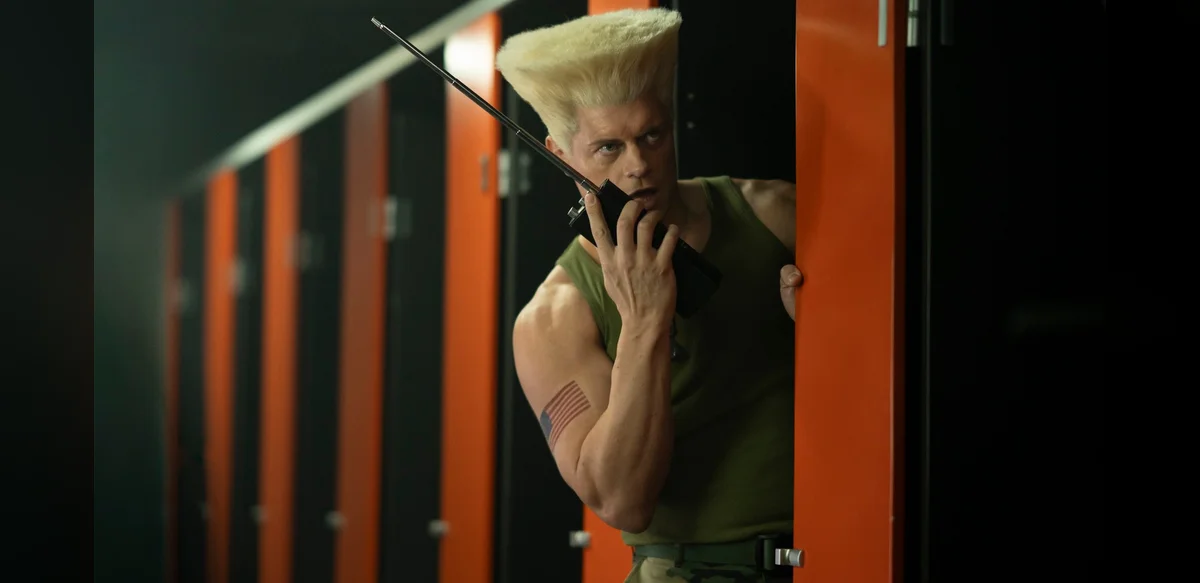
The director of the upcoming Street Fighter film has shared details about the creative choices shaping the project. In recent comments, Kitao Sakurai described how elements from wuxia cinema and animated series from the 1990s informed his approach to adapting the well-known video game series for the screen. The discussion also covered specific production decisions related to character appearance, including the distinctive hairstyle associated with one of the central figures.
Sakurai noted that these influences helped create a distinct visual and narrative tone different from previous adaptations of video game properties. By drawing on wuxia traditions, the team aimed to incorporate fluid action sequences and thematic depth. References to anime from the same era contributed to stylized character expressions and dynamic movement in fight scenes.
Attention to detail extended to costume and grooming elements. The director explained the process of refining the look for Guile, ensuring the hair matched audience expectations while fitting the overall design of the film. This focus on accuracy reflects a broader effort to balance fan familiarity with fresh interpretations.
The project seeks to stand apart from earlier video game movies by emphasizing these layered references. Sakurai indicated that the combination of martial arts storytelling and animated aesthetics allowed for creative freedom within the established universe of the game. Production teams worked to integrate these aspects seamlessly into live-action format.
Industry observers have noted that such influences can help bridge generational appeal. Viewers familiar with 1990s media may recognize subtle nods, while new audiences encounter them through the lens of a modern blockbuster. The director stressed the importance of maintaining core character traits amid these stylistic choices.
Further remarks touched on collaboration with designers and choreographers to translate two-dimensional game elements into three-dimensional sequences. The goal remained consistent: deliver an entertaining experience rooted in the source material yet expanded through personal cinematic interests.
As filming progresses, additional insights from the director may emerge regarding other aspects of the adaptation. For now, the comments provide a window into the thought process behind blending multiple cultural touchstones into one cohesive film. The emphasis on precise visual details like hair styling underscores the meticulous nature of the undertaking.
Overall, the approach appears geared toward honoring the legacy of the Street Fighter franchise while introducing new viewers to its world through familiar yet reimagined lenses. Sakurai’s background in comedy and action projects likely informs the balance between humor and intensity expected in the final cut.
The interview highlights how personal passions can shape large-scale productions. By referencing wuxia and anime, the director connects contemporary filmmaking with earlier artistic movements that continue to resonate. This connection may influence audience reception once the movie reaches theaters.
Production updates suggest ongoing refinements to ensure all elements align with the intended vision. The director’s focus on character-specific features demonstrates commitment to authenticity within the creative framework. Fans and critics alike await further reveals as the release date approaches.
In summary, the comments offer a glimpse into the multifaceted influences guiding the Street Fighter film. Through careful integration of 1990s stylistic elements and precise attention to iconic details, the project aims to deliver a distinctive entry in the video game adaptation genre.


