


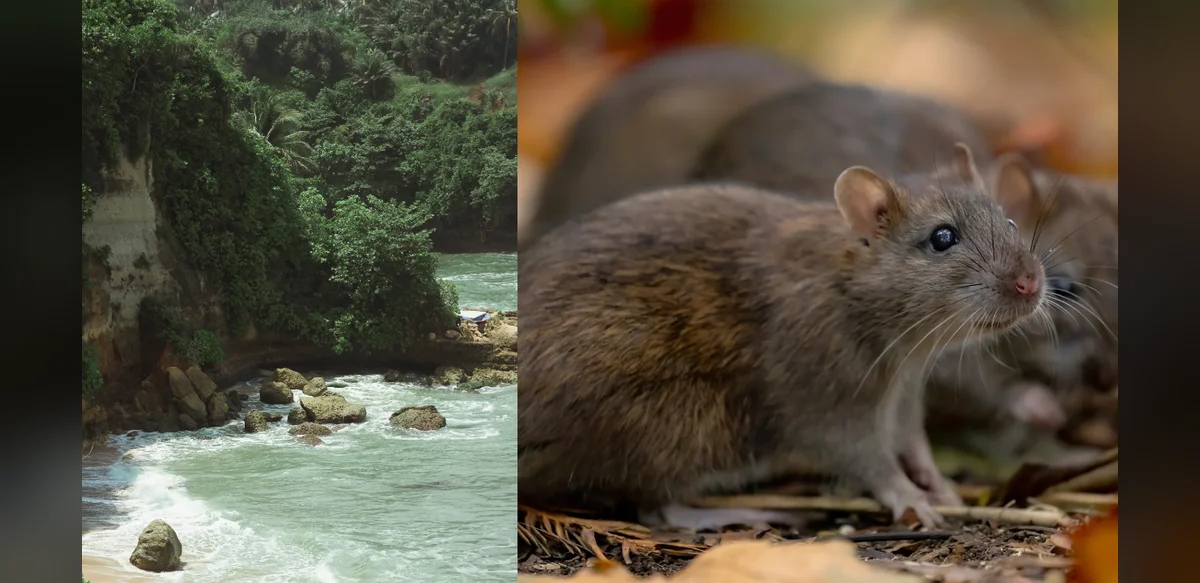
Recent fieldwork conducted by wildlife specialists across six small offshore islands in the U.S. Virgin Islands has documented the presence of non-native animals that threaten local bird populations. The effort focused on remote cays where seabirds come to nest each season. Teams examined each location systematically to record signs of unwanted species.
Black rats appeared on five of the six islands examined. These rodents are known to disturb ground-nesting birds by consuming eggs and young. On one island, green iguanas were also detected. Both types of animals arrived through human activity over past decades and have since established populations.
The red-billed tropicbird serves as one example of a species that relies on these isolated sites for breeding. When invasive mammals are present, nesting success declines because eggs and chicks face increased predation. Survey results provide baseline data that will shape decisions about possible removal programs.
Conservation planners are now reviewing options to address the findings. Methods under consideration include targeted trapping and other established techniques used in similar island restoration projects worldwide. Any actions would aim to improve conditions for native wildlife without introducing new disruptions.
The offshore cays represent important habitat fragments in the Caribbean region. Protecting them supports broader efforts to maintain biodiversity in coastal ecosystems. Continued monitoring will help track changes after any interventions take place.
Seabird colonies contribute to nutrient cycling on the islands through their droppings, which enrich soil and support plant growth. Removing pressures from invasive species could allow these natural processes to recover over time. Future generations of birds may then find safer places to raise their young.
The survey work was carried out by personnel experienced in island ecology and invasive-species management. Their observations were compiled into a report that outlines both current conditions and recommended next steps. Officials expect the information to guide resource allocation for upcoming conservation seasons.
Public interest in Caribbean wildlife remains high because many species face multiple pressures from habitat loss and introduced predators. Clear documentation of threats on specific islands helps prioritize limited funding and personnel. The current findings add to a growing body of knowledge about how small land masses can be managed for ecological benefit.
While the six islands studied are modest in size, their role in supporting seabird reproduction is significant. Even limited numbers of nesting pairs contribute to regional population stability. Addressing the presence of rats and iguanas is viewed as one practical measure within a larger strategy of habitat stewardship.
Additional surveys may be scheduled to confirm the distribution of invasive animals and to assess whether any other non-native species have arrived. Such follow-up work would build on the foundation already established. In the meantime, the data collected so far offers a clear picture of the challenges facing these particular cays.
Overall, the project illustrates how systematic field assessments can inform practical conservation choices. By identifying exactly which islands host which invasive species, managers can design responses tailored to each location. The ultimate goal remains the same: healthier nesting environments for seabirds that depend on these remote sites.

