


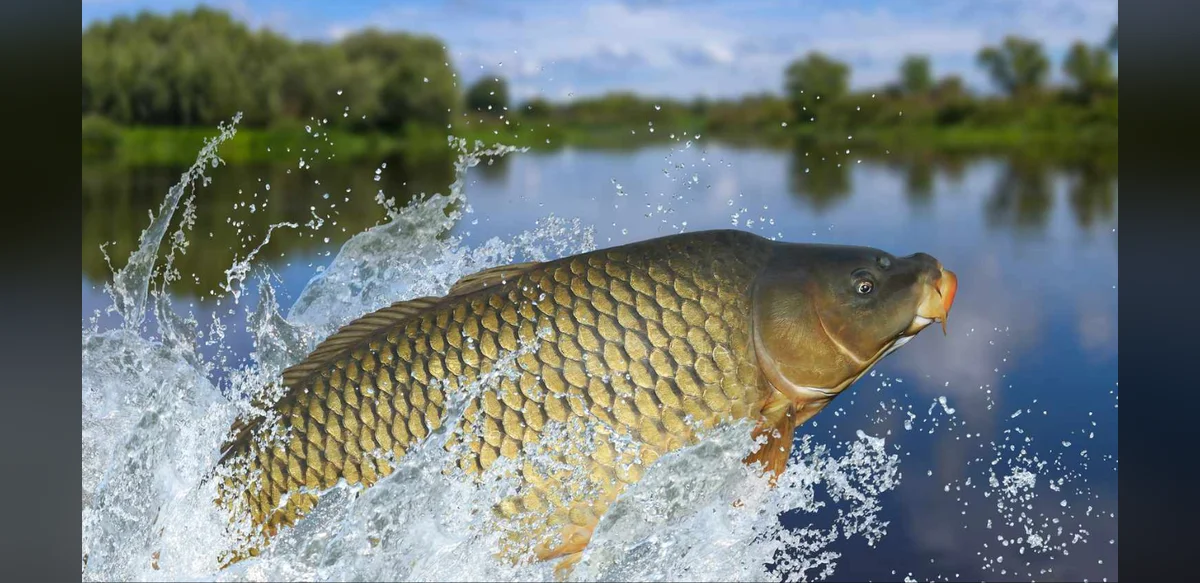
After nearly three decades of sustained work, authorities in Tasmania have concluded a major project aimed at clearing invasive common carp from Lake Sorell and Lake Crescent. The initiative, which spanned 28 years, resulted in the removal of 49,301 fish and has produced noticeable improvements in water quality along with renewed growth of native vegetation in wetland zones.
The effort focused on two connected bodies of water where the introduced species had established populations that disrupted local ecosystems. Over the course of the campaign, teams employed a range of monitoring and removal techniques to reduce carp numbers progressively until none remained. The final stages confirmed the absence of the species through repeated surveys.
With the carp gone, water clarity has increased substantially. Reduced disturbance of bottom sediments has allowed sunlight to penetrate deeper, supporting the return of aquatic plants that had been suppressed for years. In marsh areas around the lakes, native vegetation has begun to reestablish itself, creating improved habitat conditions for other species.
One visible outcome has been the recovery of wild brown trout populations. These fish, valued by recreational anglers, have shown stronger numbers as the overall environment stabilized. Fishing opportunities in the region have consequently improved, offering local communities and visitors renewed access to a traditional pastime.
The project demonstrates that even sizable lakes can rebound from the effects of invasive species when consistent management is applied over an extended period. Officials note that the restoration of natural balance in Lake Sorell and Lake Crescent provides a reference point for similar efforts elsewhere, highlighting the value of long-term commitment to ecological repair.
Throughout the 28-year span, the work required coordination among fisheries staff, researchers, and local stakeholders. Regular assessments tracked progress and guided adjustments in strategy, ensuring resources were directed effectively toward the goal of complete eradication.
The removal of more than 49,000 carp has translated into measurable environmental gains. Clearer water supports a broader range of aquatic life, while recovering marsh plants contribute to shoreline stability and nutrient cycling. These changes collectively strengthen the resilience of the lake system.
Recreational fishing has benefited directly from the trout resurgence. Anglers now encounter healthier fish populations in waters that were previously stressed by carp activity. This development supports both leisure activities and the local economy tied to outdoor recreation.
The successful conclusion of the campaign underscores the possibility of reversing damage caused by invasive species in large freshwater environments. Continued monitoring will help maintain the gains achieved, ensuring that Lake Sorell and Lake Crescent remain free of the carp that once dominated their ecosystems.

