


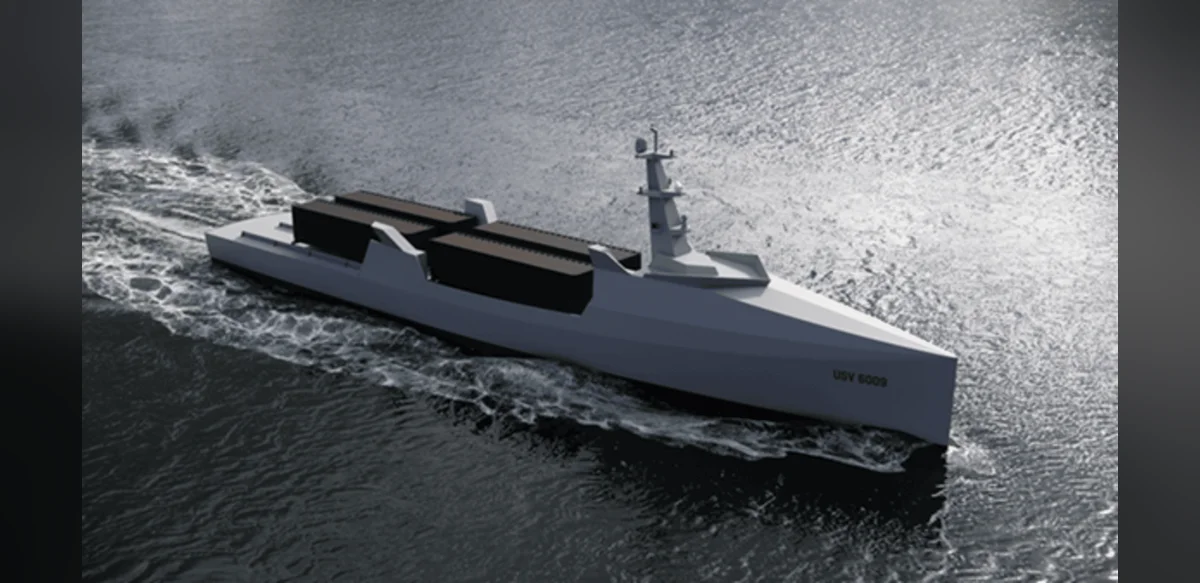
The United States Navy has chosen to employ self-directed ships as part of a project aimed at charting ocean areas. This selection comes under a contract valued at forty million dollars. The work centers on extended autonomous surveys conducted over multiple months in marine regions. These surveys seek to support better navigation practices, more accurate sea mapping, and improved modeling of sound waves underwater in locations far from coastal zones.
The initiative focuses on gathering data through vessels that operate without direct human control during the survey periods. By doing so, the effort targets enhancements in how maritime routes are understood and documented. Detailed mapping of the seafloor and surrounding waters forms a core goal, alongside analysis of acoustic conditions that affect underwater environments distant from shorelines.
Months of continuous operation by these independent ships allow for systematic collection of information across broad ocean expanses. The resulting data is expected to contribute to refined navigation tools and updated charts that reflect underwater features more precisely. Acoustic modeling efforts will benefit from the extended timeframe, providing insights into sound propagation in remote marine settings.
This contract supports the Navy’s interest in advancing oceanographic capabilities through autonomous means. The surveys emphasize reliability in data acquisition over long durations without reliance on nearby support facilities. Navigation improvements stem from better knowledge of sea conditions, while mapping accuracy increases through repeated autonomous passes over target areas. Underwater acoustic studies gain from the isolation of far-off locations where external interference remains minimal.
Overall, the project underscores a commitment to using advanced vessel technology for sustained marine research tasks. The forty million dollar agreement enables the deployment of these ships for the specified survey objectives. Enhanced navigation, comprehensive mapping, and detailed acoustic modeling represent the primary outcomes anticipated from the months-long autonomous operations in offshore waters.
Further details highlight how such surveys can proceed independently, reducing the need for constant oversight while maintaining focus on key data points. The remote nature of the targeted zones ensures that findings relate specifically to deep or distant ocean environments. This approach aligns with broader goals of improving maritime safety and scientific understanding through consistent, technology-driven data collection.
In summary, the Navy’s decision reflects a strategic move toward autonomous solutions for ocean charting needs. The contract amount and survey duration provide the framework for achieving measurable progress in navigation aids, map precision, and acoustic analysis far from land. These elements combine to form a cohesive effort centered on practical advancements in marine knowledge.

