


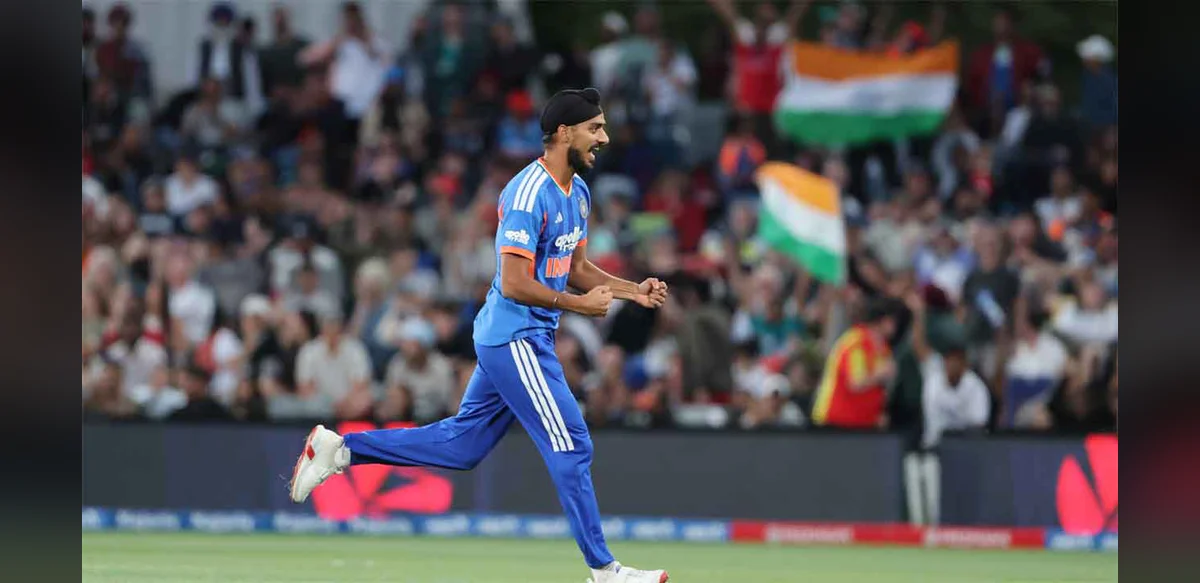
The second match in the limited overs series between the two sides unfolded with India’s pace attack asserting control during the initial phase of play. New Zealand’s batting unit found itself under sustained pressure from the outset as the opening bowlers maintained tight lines and extracted movement off the surface.
Early dismissals disrupted the visitors’ plans and forced adjustments in their approach. The powerplay period saw several key wickets fall which limited the scoring rate and placed additional responsibility on the middle order to rebuild the innings.
India’s strategy focused on exploiting the conditions with seam movement and bounce. The bowlers varied their lengths effectively preventing the opposition from settling into a rhythm. This disciplined display restricted boundaries and created opportunities for catches in the cordon and slips.
As the innings progressed the visitors attempted to accelerate but the early losses continued to influence their shot selection. The middle order showed resilience yet the required momentum proved difficult to generate against the varied bowling options presented.
Fielding efforts complemented the bowling attack with sharp stops and accurate throws adding to the pressure. The home side maintained high energy levels throughout the fielding stint which contributed to the overall dominance in the first segment of the game.
New Zealand’s innings concluded with a total that appeared below par given the conditions and the surface. The batting card reflected the challenges faced in the powerplay with several players unable to convert starts into substantial contributions.
In response India approached their chase with calculated aggression. The openers negotiated the new ball carefully before accelerating as the innings advanced. The platform established allowed the middle order to play with freedom and target the required total efficiently.
Key partnerships developed at crucial stages ensuring the run chase remained on track. The visitors tried to introduce variations in their bowling but the batters adapted well to the changes in pace and spin.
The match highlighted the importance of the powerplay phase in modern limited overs cricket. Teams that secure early breakthroughs often dictate the tempo for the remainder of the contest and this encounter followed that pattern closely.
Coaching staff from both sides will likely review the opening overs in detail. For New Zealand the focus may shift toward improving shot selection and building partnerships under pressure while India will look to replicate the disciplined bowling display in upcoming fixtures.
The series continues with attention now turning to the next encounter. Both teams have areas to refine and the remaining matches promise further competitive exchanges between the sides.
Spectators witnessed a contest where execution in the initial overs proved decisive. The fast bowlers’ ability to maintain consistency and exploit conditions set the tone for the remainder of the game and influenced the eventual outcome.
Analysis of individual performances showed the value of experience in high pressure situations. Bowlers who adapted their plans based on batter movements gained rewards while those who persisted with predictable lines faced greater resistance.
Overall the encounter reinforced established principles of limited overs cricket. Strong starts with the ball followed by composed batting in the chase often lead to favorable results and this match served as a clear example of those dynamics at play.

