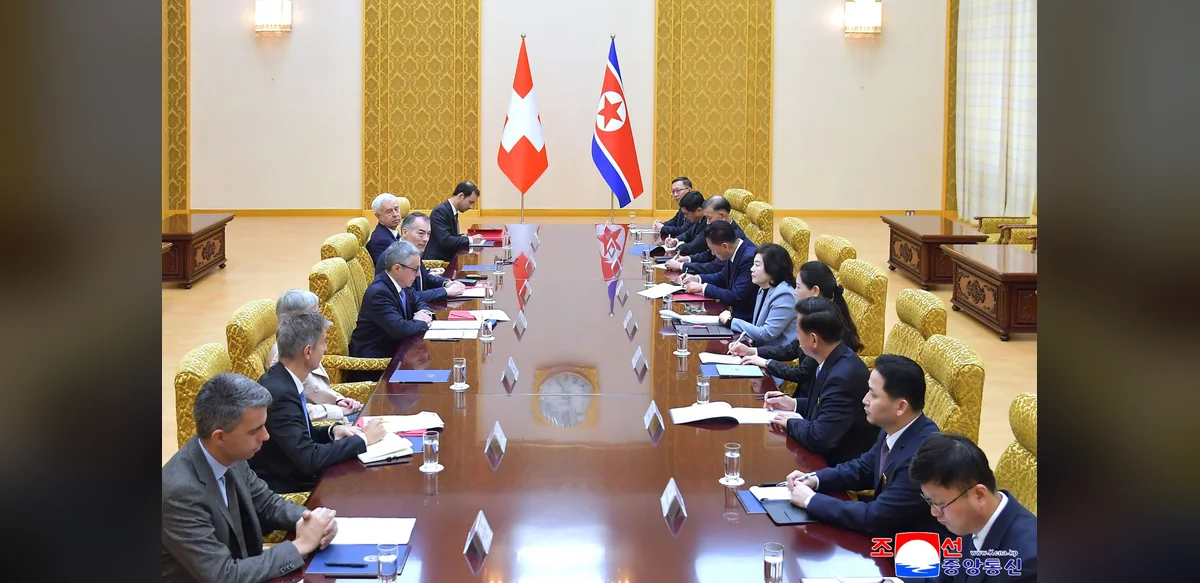
In a development reported from Seoul, authorities in North Korea have closed a Swiss diplomatic office in Pyongyang that had operated for just one month and ordered its director to leave the country. Observers view the step as an indication that Pyongyang intends to control the conditions of its international engagements while following a firmer line in global affairs. Specialists caution that the decision may result in diminished ties with several European governments that had maintained limited channels through the facility. The office had been established to facilitate basic consular services and limited dialogue, yet its abrupt termination underscores shifting priorities in the isolated nation’s approach to foreign representation. Regional analysts note that such moves often reflect internal calculations about sovereignty and external pressure. European diplomats have expressed concern over the loss of even minimal on-site presence, which previously allowed for occasional humanitarian coordination and citizen assistance. The expulsion of the office head further signals a hardening stance, potentially complicating future attempts at engagement by governments seeking to maintain low-level contacts. Historical patterns show that North Korea has periodically adjusted its diplomatic footprint to align with broader strategic goals, sometimes reopening channels after periods of restriction. In this instance, the timing coincides with ongoing regional tensions and domestic policy emphases. Governments in Europe are now assessing alternative methods for monitoring developments and supporting any remaining citizens or interests. The episode highlights the challenges of sustaining diplomatic infrastructure in environments where access remains tightly controlled. Future relations may depend on whether Pyongyang signals willingness to restore limited representation or continues to prioritize unilateral terms. Overall, the closure serves as a reminder of the fragile nature of diplomatic arrangements with the country and the potential ripple effects across multiple continents.