

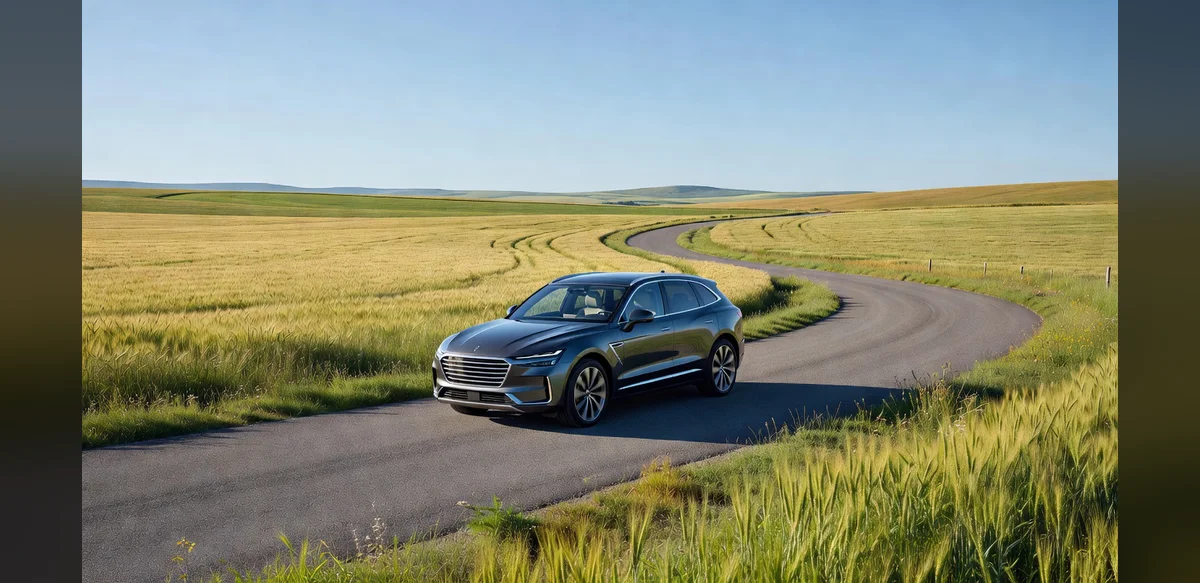
The Mazda CX-5 remains one of the most popular vehicles in its class across Australia. Its combination of refined driving dynamics, practical interior space and attractive styling has helped it maintain strong sales over multiple generations. The arrival of the updated 2026 model therefore represents an important moment for both the brand and buyers considering a mid-size SUV.
This long-term review will examine the GT SP variant in detail over several months of real-world use. Rather than relying solely on launch specifications and short test drives, the evaluation will track everyday ownership aspects including fuel consumption, cabin comfort, technology reliability and maintenance requirements.
The 2026 CX-5 GT SP builds on the established platform with subtle exterior revisions and enhanced interior materials. Key changes include updated LED lighting signatures, new wheel designs and a revised front grille that aligns with Mazda’s current design language. Inside, the cabin features improved sound insulation and an upgraded infotainment interface.
Powertrain options continue to centre on a choice of petrol engines paired with front or all-wheel drive. The GT SP trim sits near the top of the range and includes leather upholstery, a head-up display and an advanced suite of driver assistance systems. These features will be monitored closely during the review period to assess their effectiveness in varied Australian conditions.
Over the coming weeks the vehicle will be subjected to a range of driving scenarios. These include daily commuting on urban roads, longer highway journeys and occasional off-road tracks typical of regional travel. Particular attention will be paid to ride quality on poorly surfaced roads and the performance of the all-wheel drive system in wet weather.
Fuel efficiency figures will be recorded under consistent conditions to provide realistic data for prospective owners. Early indications suggest the updated engines deliver modest improvements, yet real-world results often differ from laboratory tests. The review will therefore log both city and highway consumption patterns.
Safety technology forms another core focus. The CX-5 has historically performed well in independent crash testing, and the 2026 model introduces further refinements to its autonomous emergency braking and lane keeping systems. Practical testing will evaluate how these aids interact with Australian road markings and signage.
Competitive context remains relevant. Rivals in the segment offer alternative approaches to space, technology and pricing. The long-term perspective will help determine where the Mazda positions itself against these alternatives when subjected to prolonged use rather than brief comparisons.
Throughout the review period, updates will cover any issues encountered, positive surprises and overall impressions of living with the vehicle. The goal is to provide balanced insight that reflects typical ownership experiences rather than promotional highlights.
Initial setup has included fitting of a roof rack for occasional cargo needs and installation of a dash camera for documentation purposes. These additions mirror common modifications made by Australian owners and will be assessed for ease of integration.
The review will conclude with a summary of running costs, reliability observations and recommendations for buyers weighing the CX-5 against other options in the market. Regular reports will document changes in perception as familiarity with the vehicle grows over time.


