


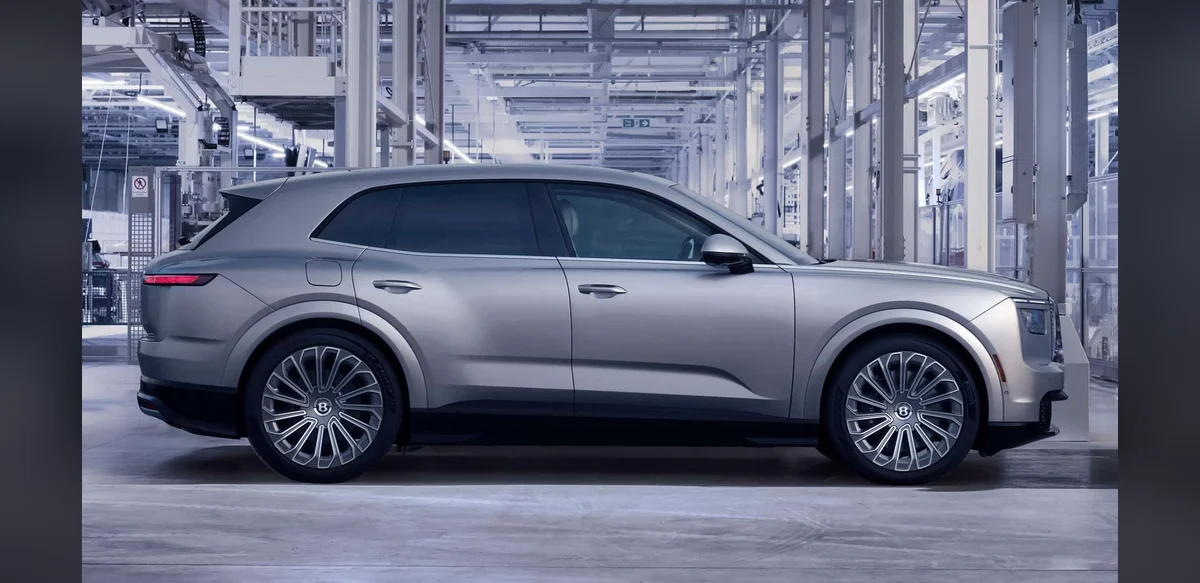
Automotive manufacturer Bentley has finished an extensive evaluation program for its first electric vehicle. The process involved driving the prototype more than one million kilometers across challenging environments. This distance equals approximately 621000 miles and focused on confirming the reliability of key components.
The testing regimen examined battery performance under stress. Engineers assessed safety features to ensure stable operation in extreme conditions. Software systems were integrated and monitored throughout the trials to verify seamless functionality with other vehicle systems.
Durability formed a central part of the evaluation. The vehicle encountered varied terrains and climates designed to simulate real world usage over extended periods. Results from these trials support preparations for eventual customer deliveries.
Such comprehensive checks are standard in the development of new powertrain technologies. They help identify potential issues before production scales up. Bentley emphasized that the program covered critical aspects including thermal management and electronic controls.
The effort reflects broader industry shifts toward electrification. Manufacturers invest significant resources in validation to meet regulatory standards and consumer expectations for longevity. Data collected during the million kilometer campaign will inform refinements ahead of market introduction.
Observers note that long distance testing provides valuable insights into material wear and system interactions. Bentley conducted the program in multiple phases to cover different operational scenarios. This methodical approach aims to deliver a product ready for diverse driving demands.
Overall the completed trials mark an important milestone in the company’s transition to battery electric offerings. Attention now turns to final assembly processes and supply chain coordination. The focus remains on maintaining high standards of quality established over decades of vehicle production.
Industry analysts view this development as part of ongoing adaptation within luxury automotive segments. Companies balance performance heritage with new sustainability requirements through targeted engineering work. Bentley’s program demonstrates commitment to thorough preparation prior to wider availability.
Further details on specific test locations or outcomes have not been disclosed at this stage. The company continues internal reviews based on accumulated mileage data. This ensures all systems meet predefined criteria for safety and efficiency.
The one million kilometer benchmark underscores the scale of modern vehicle validation efforts. It allows teams to accumulate experience equivalent to years of typical ownership within a compressed timeframe. Such accelerated usage helps accelerate the path to commercial readiness.
Bentley plans to leverage lessons from the Torcal testing sequence in subsequent projects. Continuous improvement remains a priority as electric vehicle technology evolves. The completed phase represents steady progress toward introducing the model to buyers.
Public interest in electric luxury vehicles continues to grow globally. Manufacturers respond by investing in robust testing frameworks that address concerns around range and maintenance. Bentley’s recent achievement aligns with these market dynamics.
In summary the extensive evaluation confirms the prototype’s readiness across multiple dimensions. Battery safety software integration and overall durability received particular attention during the campaign. These elements collectively support the timeline for customer deliveries.
The automotive sector watches closely as established brands navigate electrification. Programs like this one provide benchmarks for peers undertaking similar transitions. Bentley maintains focus on delivering vehicles that uphold brand values while incorporating advanced propulsion systems.
Additional updates may follow as the project advances toward production. The emphasis stays on transparency regarding progress without premature claims. This measured communication style matches the deliberate pace of the testing itself.
Readers seeking more context on electric vehicle development can review general resources on automotive engineering practices. Bentley’s specific journey highlights the dedication required to bring new models to fruition.
The completed testing distance provides a foundation for confidence in the vehicle’s long term performance. Teams will apply findings to optimize future iterations and related technologies. This iterative process supports sustained innovation within the company.
Ultimately the milestone achieved through one million kilometers of evaluation positions Bentley for the next steps in its electric vehicle strategy. Attention to detail during validation helps mitigate risks associated with novel powertrains. The result is a vehicle prepared for the demands of everyday and specialized use cases alike.

