


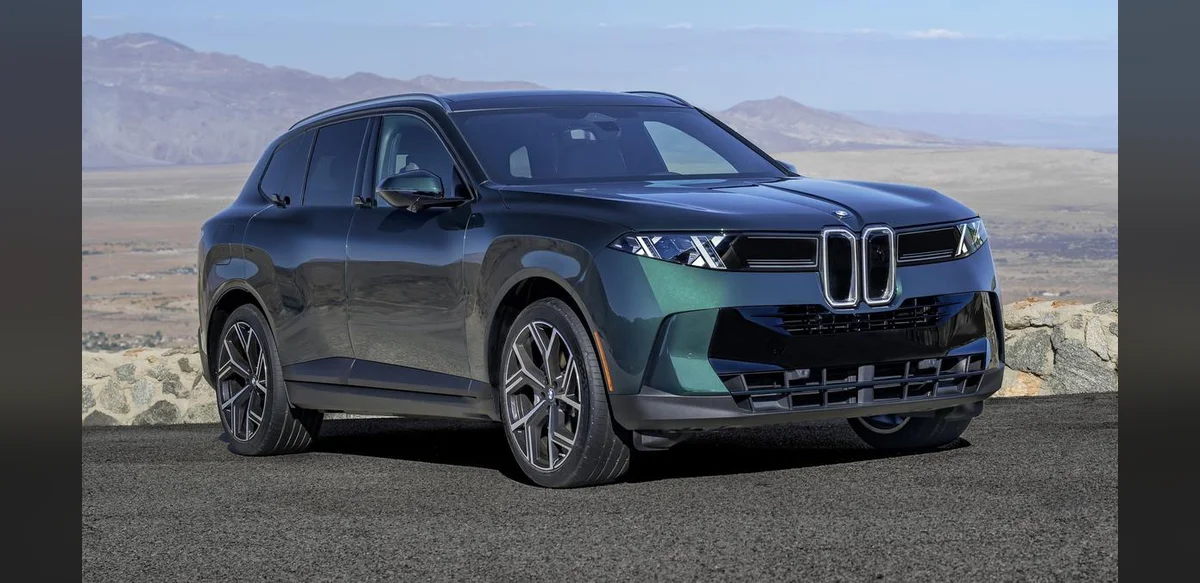
BMW Australia has announced plans to equip its forthcoming internal combustion engine vehicles with technology aligned to the Euro 7 emissions framework. This move occurs despite the fact that current Australian regulatory requirements for vehicle emissions are not as rigorous as those in Europe. The decision reflects a strategic approach to preparing the company’s lineup for potential future tightening of local rules while maintaining performance and efficiency in its gasoline and diesel offerings.
Industry observers note that such proactive measures allow manufacturers to streamline production across different markets. By incorporating advanced exhaust treatment systems and engine management software early, BMW can avoid costly retrofits later. The Euro 7 specifications focus on reducing nitrogen oxides, particulate matter, and other pollutants under a wider range of operating conditions compared with previous standards.
Australia’s automotive sector continues to rely heavily on imported vehicles. Local emissions rules have historically lagged behind those in the European Union and other regions. This gap has prompted several global brands to evaluate whether to apply stricter criteria voluntarily. BMW’s commitment signals confidence that higher standards can be met without compromising drivability or increasing costs significantly for consumers.
Engineers at the company have been working on refinements to combustion processes and after-treatment components. These include improved catalytic converters and particulate filters designed to operate effectively across varying temperatures and loads. The result is expected to deliver cleaner exhaust output while preserving the driving characteristics that customers associate with the brand.
Market analysts suggest that adopting advanced emissions technology now positions BMW favorably if Australian authorities decide to harmonize rules with international benchmarks. Transition periods for new regulations can be lengthy, and having compliant models ready reduces the risk of supply disruptions. It also demonstrates corporate responsibility toward environmental goals even in the absence of immediate mandates.
Dealership networks across the country are being briefed on the technical updates. Sales staff will receive information highlighting the environmental benefits alongside traditional selling points such as comfort, safety, and performance. Customers interested in internal combustion models will learn that the new vehicles meet criteria beyond current local requirements.
The broader automotive industry watches these developments closely. Other manufacturers may follow similar paths if they perceive long-term advantages in standardization. Supply chain partners responsible for components like sensors and filtration systems stand to benefit from increased demand for Euro 7 compatible parts.
BMW has emphasized that the initiative does not signal an end to its internal combustion development. Instead, it represents an effort to make existing powertrains as clean as possible during the ongoing shift toward electrification. The company continues to expand its range of battery electric and plug-in hybrid models while ensuring that combustion engines remain viable options where infrastructure or customer preferences dictate.
Environmental groups have welcomed the announcement as a positive step. They argue that voluntary adoption of stricter standards can accelerate overall improvements in air quality, particularly in urban areas where vehicle emissions contribute noticeably to pollution levels. At the same time, they continue to advocate for stronger national policies that would make such measures mandatory.
Technical documentation released by BMW outlines specific hardware and software changes. These modifications target reductions in cold-start emissions and improvements in real-world driving conditions rather than solely laboratory test cycles. The approach aligns with the intent of Euro 7 to close gaps between certified and actual performance.
Fleet operators and government agencies that purchase vehicles in volume are expected to take note. Lower emissions profiles may influence procurement decisions even before formal policy changes occur. This could create early momentum for cleaner technology across commercial and public sectors.
In summary, BMW Australia’s decision underscores a forward-looking stance on emissions control. By aligning with Euro 7 technology ahead of local necessity, the company prepares its combustion engine portfolio for evolving expectations while supporting a smoother transition in the Australian market. The move highlights how global manufacturers balance regulatory differences across regions through consistent engineering strategies.

