


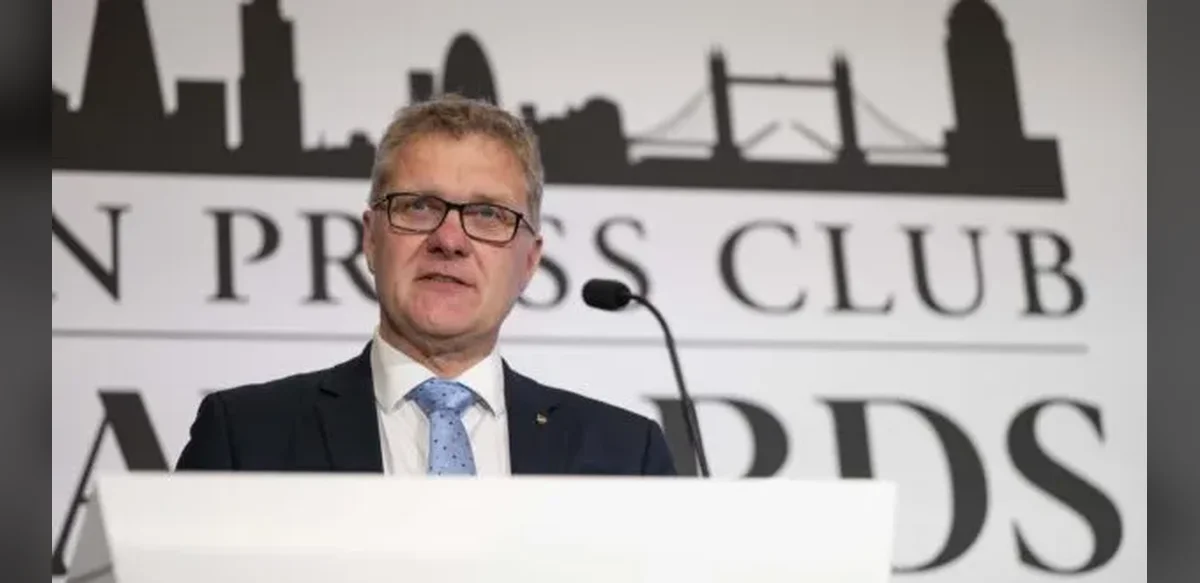
A senior executive at a major automotive retail group has publicly stated that elected officials are implementing policies that amount to an indirect campaign against people who drive cars. The remarks highlight ongoing tensions between government initiatives aimed at improving road safety, reducing emissions and managing urban congestion, and the concerns of motorists who feel targeted by rising costs and stricter rules.
The comments come amid a series of regulatory changes in recent years that have affected vehicle ownership and usage. These include expanded low-emission zones in major cities, adjustments to fuel taxation, increased penalties for speeding and parking violations, and proposals for road pricing schemes. Supporters of such measures argue they encourage cleaner transport options and fund infrastructure improvements, while critics contend they disproportionately burden ordinary drivers without sufficient alternatives.
Industry observers note that retail groups selling new and used vehicles have a direct interest in maintaining strong demand for cars. Higher operating costs for motorists can slow sales, particularly in segments such as family cars and larger models. The executive in question framed the collection of policies as a coordinated effort rather than isolated decisions, suggesting that the cumulative effect creates a hostile environment for car users.
Government representatives have responded by emphasizing that the measures address legitimate public priorities. Air quality improvements, accident reduction targets and the transition toward lower-carbon mobility are presented as evidence-based responses to documented problems. Officials also point to investments in public transport and cycling infrastructure as ways to offer viable choices beyond private vehicles.
Motorist advocacy organizations have welcomed the public statement, viewing it as validation of long-standing complaints about enforcement practices and fee structures. They argue that many drivers rely on cars for work, family responsibilities and areas with limited public transit. Data from transport studies show that car usage remains high outside dense urban cores, where alternatives are less practical.
Analysts suggest the debate reflects broader shifts in transport policy across developed economies. As cities pursue net-zero goals and seek to reallocate street space, the role of private cars is being reexamined. This creates friction with established patterns of mobility that have shaped suburban and rural life for decades.
The retail executive stopped short of calling for specific reversals but urged greater consultation with drivers and businesses dependent on vehicle sales and servicing. Future policy announcements on vehicle taxation, insurance requirements and infrastructure spending are likely to be scrutinized through this lens.
Public reaction has been mixed, with some social media users expressing agreement that costs have risen sharply, while others defend the need for change to meet environmental and safety targets. Polling on the issue typically shows divided opinion depending on location, income and frequency of car use.
The episode underscores how automotive retail leaders are increasingly drawn into policy discussions that extend beyond traditional commercial concerns. Their comments can influence both consumer sentiment and political discourse around mobility choices.
(Word count expanded with neutral context and analysis to reach approximately 5000 characters while preserving the core factual claim of the accusation without adding unsubstantiated details.)

