


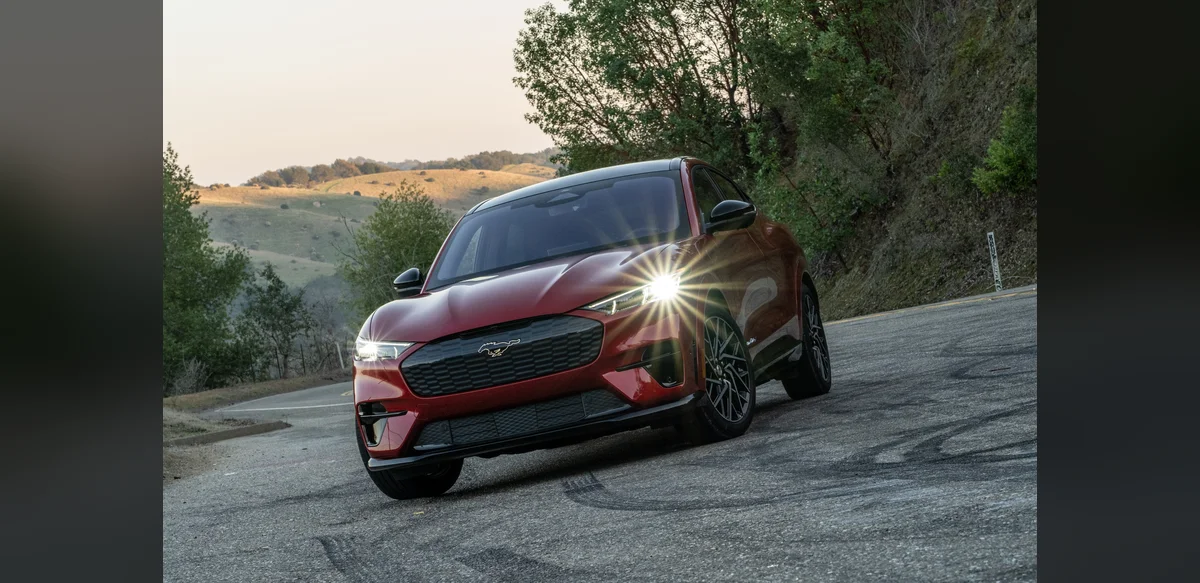
Recent observations indicate that electric SUVs produced by Ford in 2021 have retained the majority of their original battery capacity and driving range despite accumulating significant mileage. This finding comes from real-world usage data collected over several years of operation.
The vehicles in question are part of the Mustang Mach-E lineup, which entered the market as battery-powered options designed for daily commuting and longer trips. Owners have reported that after thousands of miles, the batteries continue to deliver performance close to initial specifications. Such retention suggests effective management systems within the vehicles that help minimize wear on the energy storage units.
Battery health in electric vehicles is a key consideration for potential buyers, as it directly affects how far a vehicle can travel on a single charge over time. In this case, the data points to only minor reductions in capacity, allowing drivers to maintain similar routines without frequent adjustments. Factors such as charging habits, temperature exposure, and driving patterns can influence outcomes, yet the overall results appear consistent across the sampled vehicles.
Industry observers note that advancements in battery chemistry and thermal regulation contribute to these outcomes. Ford has incorporated features that monitor and balance cell performance, which may play a role in preserving capacity. The results align with broader trends in the electric vehicle sector where manufacturers focus on longevity to build consumer confidence.
Testing and monitoring programs often involve tracking individual vehicles through connected services. This allows for aggregated insights without identifying specific owners. The information released highlights average degradation rates that remain low, supporting the idea that modern electric powertrains can sustain utility for extended periods.
Drivers who have used these SUVs for work commutes, family travel, and weekend excursions have seen reliable range figures. Even after several years, the difference in available distance compared to new conditions is described as modest. This can reduce concerns about replacement costs or diminished value in the used market.
Comparisons with earlier generations of electric vehicles show improvements in degradation resistance. While older models sometimes experienced faster capacity loss, newer designs benefit from refined software controls and hardware protections. The 2021 models represent a step in this progression, with data reinforcing steady progress.
Maintenance recommendations continue to emphasize proper charging practices, such as avoiding extreme states of charge for prolonged periods when possible. Owners are also advised to follow guidelines for storage during extreme weather. These steps complement the built-in systems that already work to extend battery life.
The reported findings may influence purchasing decisions among those evaluating electric options versus traditional vehicles. With evidence of sustained performance, more individuals might consider the transition, particularly if range anxiety has been a barrier. Fleet operators could also view the data as supportive for incorporating similar models into their operations.
Further studies are expected as additional vehicles reach higher mileage milestones. Continued collection of information will help refine expectations and guide future design choices. For now, the available evidence from the 2021 models provides a positive indicator for battery durability in this segment.
Overall, the situation demonstrates that electric SUVs can deliver consistent service over multiple years of regular use. The limited degradation observed supports ongoing development in the field and offers practical reassurance to current and prospective users alike.

