

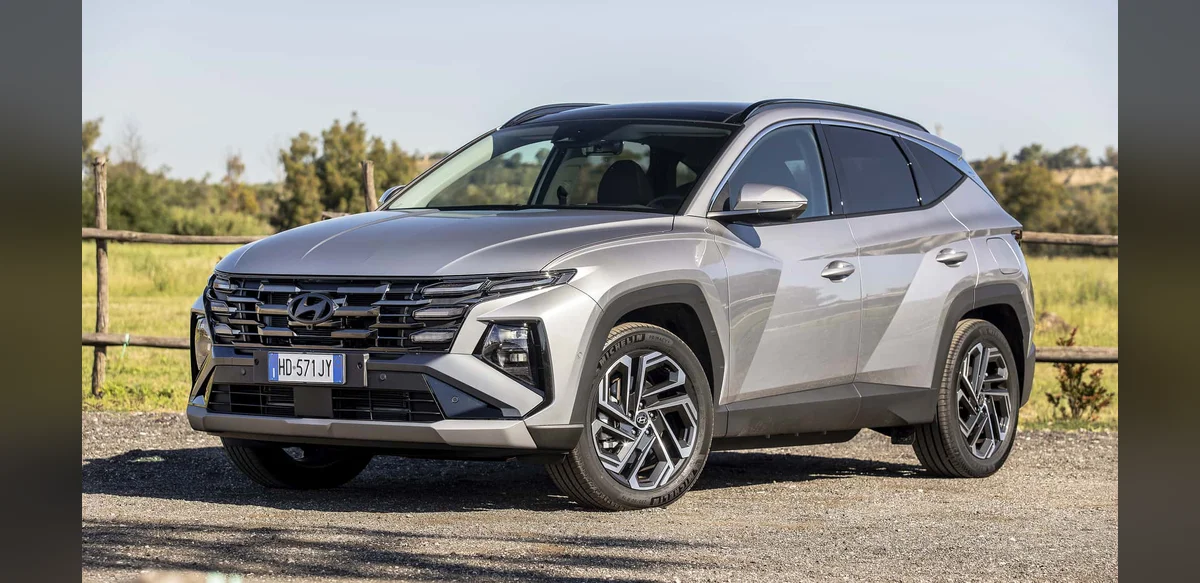
Hyundai has reached a significant sales threshold with its hybrid vehicles, marking one million units sold globally. The company is now directing efforts toward competing more directly with Toyota in this segment. Plans include broadening the range of hybrid options available in the United States market while increasing manufacturing activities at domestic facilities. These steps form part of a broader strategy aimed at elevating overall sales volumes by the year 2030.
The milestone reflects steady growth in demand for hybrid powertrains that combine gasoline engines with electric motors. Hyundai has introduced several models featuring this technology across different vehicle classes. Expansion in the United States involves adding more hybrid variants to existing lineups sold through dealership networks there. Local production increases are intended to support higher output and reduce reliance on imports from overseas plants.
Company representatives have outlined targets that emphasize sustained hybrid development through the end of the decade. This approach seeks to capture additional market share in regions where consumer interest in fuel-efficient options remains strong. Production adjustments at United States facilities will focus on scaling up assembly of these models to meet anticipated demand.
Industry observers note that the move positions Hyundai alongside established players in the hybrid space. Toyota has long held a leading position with its own hybrid offerings. By enhancing availability and manufacturing capacity, Hyundai intends to narrow the gap in cumulative sales figures over the coming years.
The strategy also incorporates ongoing refinements to hybrid systems for improved efficiency and performance. Engineers continue to optimize battery integration and power delivery in new iterations. United States market expansion will likely feature updated versions of popular sport utility vehicles and sedans equipped with hybrid technology.
Local production boosts are expected to create additional employment opportunities at Hyundai facilities in the country. Supply chain adjustments will prioritize components sourced closer to assembly points to streamline operations. Sales projections through 2030 aim for consistent annual increases driven by these hybrid initiatives.
Overall, the focus remains on delivering vehicles that appeal to buyers seeking alternatives to fully electric or traditional gasoline models. Hyundai continues to monitor market trends and adjust its hybrid portfolio accordingly. The one million sales mark serves as a foundation for further growth in this category.
Additional details on specific model launches and production timelines are anticipated in future announcements. The company maintains its commitment to meeting regulatory standards for emissions in key markets including the United States. This hybrid emphasis aligns with broader industry shifts toward diversified powertrain options.
In summary, Hyundai’s current direction combines achievement of past sales goals with forward-looking plans for increased presence in the hybrid segment. Expansion efforts target both product availability and manufacturing scale to support long-term objectives ending in 2030.


