

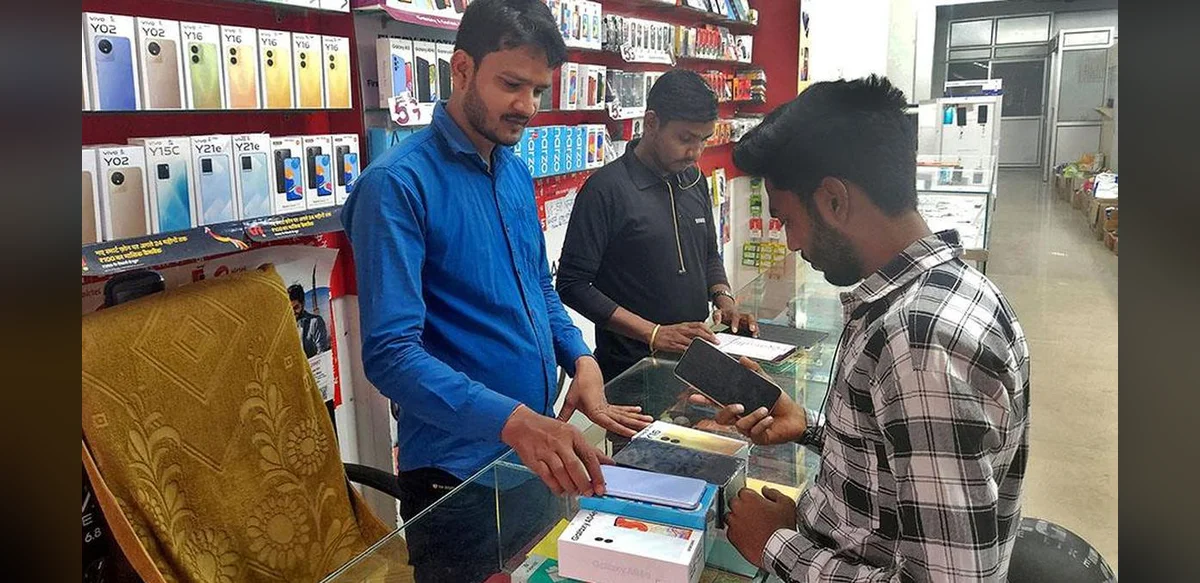
Recent market analysis from IDC highlights significant challenges facing the entry-level smartphone segment priced below 10,000 rupees in India. Approximately 173 million devices from this category that entered the market in the previous year now confront substantial difficulties. Data for the second quarter of 2026 indicates a sharp contraction, with shipments declining nearly 60 percent compared to the same period one year earlier.
This downturn raises questions about the sustainability of affordable mobile devices in one of the world’s largest consumer markets. Industry observers point to constraints in component availability, particularly memory chips, as a contributing factor to reduced production volumes. Manufacturers operating in the budget space appear especially exposed due to their reliance on cost-sensitive supply chains.
The sub-10,000 rupee category has historically served as an important gateway for first-time smartphone users and those seeking basic connectivity features. A contraction of this magnitude could limit options for consumers who depend on these devices for essential communication, digital payments, and access to online services. Retailers and distributors may also experience ripple effects as inventory levels adjust to lower demand forecasts.
Supply chain pressures have been noted across the broader electronics sector, with memory components facing allocation issues that affect multiple product tiers. While premium segments can sometimes absorb higher component costs through pricing adjustments, budget models operate with narrower margins that leave little room for such flexibility. This dynamic may accelerate a shift toward slightly higher price bands or alternative device categories.
Analysts suggest that the observed decline could reflect both reduced shipments and changing consumer preferences. Some buyers might be opting for refurbished units or extending the lifespan of existing handsets amid economic uncertainties. Others could be migrating toward entry-level models just above the 10,000 rupee threshold that offer marginally improved specifications.
The Indian smartphone market has experienced rapid evolution over the past decade, with successive waves of price competition expanding access to connected devices. The current contraction in the lowest tier underscores the vulnerability of this growth model to upstream component shortages. Policymakers and industry stakeholders may need to monitor these trends closely to assess potential impacts on digital inclusion goals.
Longer-term implications remain uncertain and will depend on how quickly memory chip supplies stabilize. If constraints persist, further consolidation among manufacturers focused on ultra-budget devices appears likely. Conversely, any easing of component availability could support a gradual recovery in shipment volumes during subsequent quarters.
Market participants continue to evaluate strategies for navigating the present environment, including diversification of sourcing and optimization of product portfolios. The situation illustrates the interconnected nature of global semiconductor supply and local consumer electronics demand, where disruptions at one stage can propagate quickly through downstream segments.
Overall, the data released by IDC provides a snapshot of an important market segment under stress. Continued observation of shipment trends and component pricing will be essential for understanding whether this represents a temporary adjustment or a more structural shift in the availability of affordable smartphones in India.


