


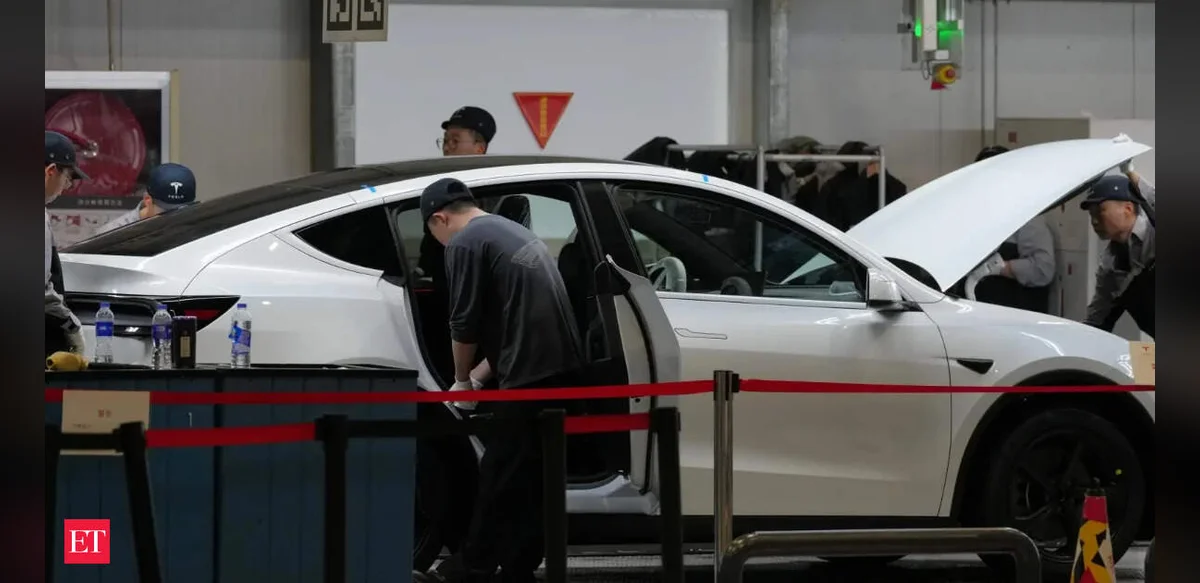
Tesla along with eight additional vehicle producers has initiated a recall covering 4.3 million automobiles within China. The measure responds to issues where doors may prove challenging to open during urgent situations. Solutions provided consist of software revisions together with enhanced warning labels placed on door handles. Officials have described the effort as the biggest automotive recall recorded in the country so far.
The announcement highlights ongoing attention to vehicle safety standards in one of the world’s largest auto markets. Manufacturers involved are working to notify owners and schedule necessary adjustments at authorized service locations. Each affected unit will receive updates designed to improve door operation under critical conditions while new labels aim to increase driver awareness.
Industry observers note that such extensive actions reflect regulatory priorities focused on consumer protection. The scale of the recall underscores the importance of prompt responses to identified concerns. Owners are encouraged to contact their respective dealers for verification and to arrange for the required modifications without delay.
This development comes amid broader discussions about automotive quality and compliance in China. The coordinated recall demonstrates collaboration between regulators and producers to address potential risks efficiently. Software changes are expected to resolve the operational difficulties while the updated labels serve as an immediate visual reminder for users.
Vehicle owners should remain informed through official channels to ensure their cars receive the appropriate attention. The process involves systematic checks and implementations that vary slightly depending on the model and manufacturer. Overall the initiative represents a significant step toward reinforcing safety protocols across the sector.
Further details regarding specific timelines and procedures will be communicated directly to registered owners. Service centers are preparing to handle the volume of appointments generated by the recall notice. The emphasis remains on completing all remedies in a timely manner to restore full confidence in the affected vehicles.
The event illustrates how large scale recalls can influence manufacturing practices and regulatory oversight. By addressing the door related concerns through both digital and physical means the companies involved seek to mitigate any associated hazards. Continued monitoring and follow up assessments may occur after the initial fixes are applied.
In summary the recall of 4.3 million vehicles stands as a landmark action in China’s automotive history. It involves multiple brands working under unified guidelines to implement consistent solutions. The focus on emergency access improvements highlights a commitment to user safety that extends beyond routine maintenance.
Stakeholders across the supply chain are aligning resources to support the execution of this program. Communication campaigns will help spread awareness among the public regarding the steps required. Ultimately the effort aims to enhance vehicle reliability and address the identified issues comprehensively.
The neutral approach taken by authorities ensures that all parties receive equal treatment during the recall process. Documentation provided to owners will outline exact changes made to each vehicle. This transparency supports trust in the automotive industry and its regulatory framework.
As the program progresses updates on completion rates and any additional findings will likely be shared publicly. The precedent set by this record recall may guide future safety initiatives in similar markets worldwide. Attention to detail in both software and labeling aspects demonstrates a thorough response strategy.

