

The automotive sector has witnessed another significant consolidation as Lotus Tech completes its acquisition of Lotus UK. This move brings together the Hethel sports car manufacturing base, engineering consultancy services, and ongoing electric vehicle development initiatives under a unified strategic framework. The integration aims to streamline decision making and accelerate progress toward advanced performance oriented electric vehicles.
Industry observers note that combining these previously separate elements allows for more cohesive planning across design, production, and technology development. The Hethel facility in the United Kingdom continues to serve as a central hub for sports car assembly while the consultancy arm provides specialized engineering expertise to external clients. Electric vehicle programs benefit from shared resources and aligned objectives that were previously managed across distinct corporate structures.
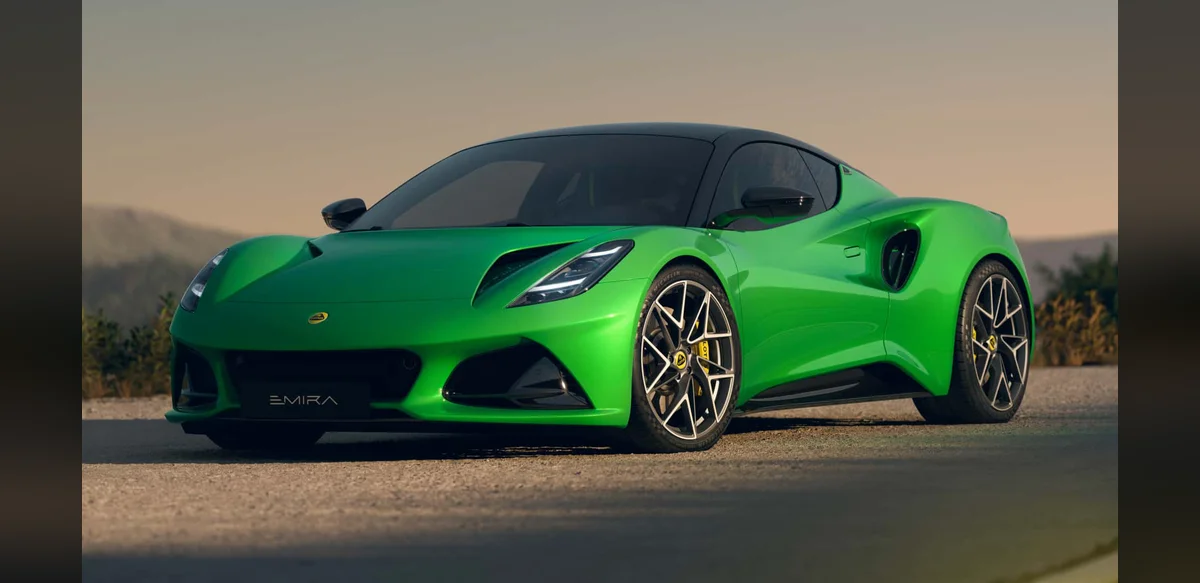
The Emira model remains a key focus within the new structure. As the current flagship sports car, it represents the continuation of traditional Lotus performance values while the company explores pathways to electrified variants. Officials indicate that development timelines for future electric models will now follow a single integrated roadmap rather than parallel tracks that could lead to duplication or conflicting priorities.
This organizational change reflects broader trends in the automotive industry where manufacturers seek efficiency through vertical integration. By uniting manufacturing, engineering services, and electrification efforts, the company positions itself to respond more rapidly to regulatory shifts and consumer demand for sustainable high performance vehicles. Supply chain coordination is expected to improve as procurement decisions align with the overarching strategy.
Stakeholders have expressed cautious optimism regarding the long term implications. Employees at the Hethel site and in engineering teams anticipate clearer communication channels and reduced administrative overlap. External partners working with the consultancy division may see expanded opportunities as the unified entity leverages combined capabilities across projects.
Financial analysts suggest the acquisition could enhance capital allocation for research and development. Resources previously divided between entities can now support larger scale initiatives in battery technology, lightweight materials, and software integration essential for next generation electric performance cars. The move also simplifies governance, allowing leadership to present a single vision to investors and regulators.
Challenges remain in fully realizing the benefits of unification. Cultural integration between teams accustomed to operating independently requires careful management. Technical harmonization across product lines must preserve the distinctive driving dynamics associated with the brand while meeting new efficiency and emissions standards.
Looking ahead, the consolidated structure supports ambitious targets for electric vehicle launches. Development cycles are projected to shorten as cross functional teams collaborate without previous organizational barriers. The focus on performance EVs aligns with global market shifts toward sustainable mobility without compromising the core attributes of agility and driver engagement.
Overall, the transition to a single company marks a pivotal step in the evolution of Lotus operations. By aligning sports car production, engineering consultancy, and electric vehicle programs, the entity aims to deliver coherent future products that meet both enthusiast expectations and emerging technological requirements. Continued monitoring of implementation progress will reveal how effectively the strategy translates into tangible advancements on the road.


