


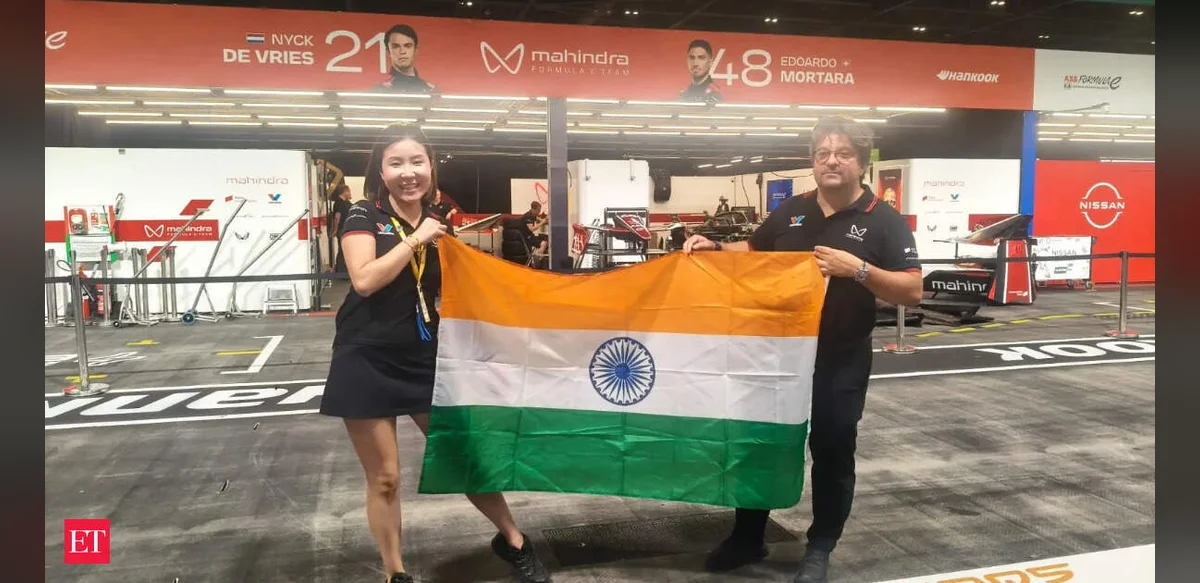
Mahindra Racing has confirmed its ongoing participation in the Formula E series as part of a sustained approach rather than a temporary phase. The squad plans to continue through the upcoming Gen4 regulations and remain active at least until the year 2030. This decision reflects a deliberate focus on advancing electric vehicle capabilities over an extended period.
The championship serves as a platform for refining key aspects of electric mobility. Developments in software systems, improvements in powertrain performance, and broader engineering knowledge gained from competition will feed directly into the production of passenger vehicles. The objective centers on applying lessons from the track to everyday road cars in a practical manner.
Officials have described the involvement as a consistent long-term plan. It avoids the pattern of manufacturers entering and exiting based on short-term fluctuations. Instead, the emphasis lies on steady progress and integration of new findings into wider automotive applications.
By maintaining presence across multiple seasons, the team can build cumulative expertise. Each racing cycle contributes incremental gains that accumulate over time. These gains target efficiency metrics and control algorithms essential for modern electric drivetrains.
The transfer of technology from racing to consumer models forms a central pillar of the strategy. Software refinements developed under competitive conditions can enhance vehicle responsiveness and energy management in standard use. Powertrain optimizations similarly promise better range and reliability for road-going electric cars.
Engineering insights obtained through Formula E also support overall vehicle architecture improvements. This includes thermal management, weight distribution, and component durability. Such elements benefit from the rigorous testing environment provided by the series.
The commitment extends across the Gen4 era, which introduces updated technical specifications. Staying involved allows continuous adaptation to evolving rules while pursuing parallel goals in commercial vehicle development. The timeline through 2030 provides a clear horizon for these efforts.
Overall, the approach prioritizes enduring benefits over cyclical participation. It positions racing activities as a dedicated research and development avenue. Results from this sustained engagement are expected to influence future generations of electric passenger vehicles from the manufacturer.
This structured presence in the championship underscores a methodical path toward technological advancement. It aligns competitive performance with the broader aim of delivering efficient and capable electric mobility solutions to the market.

