


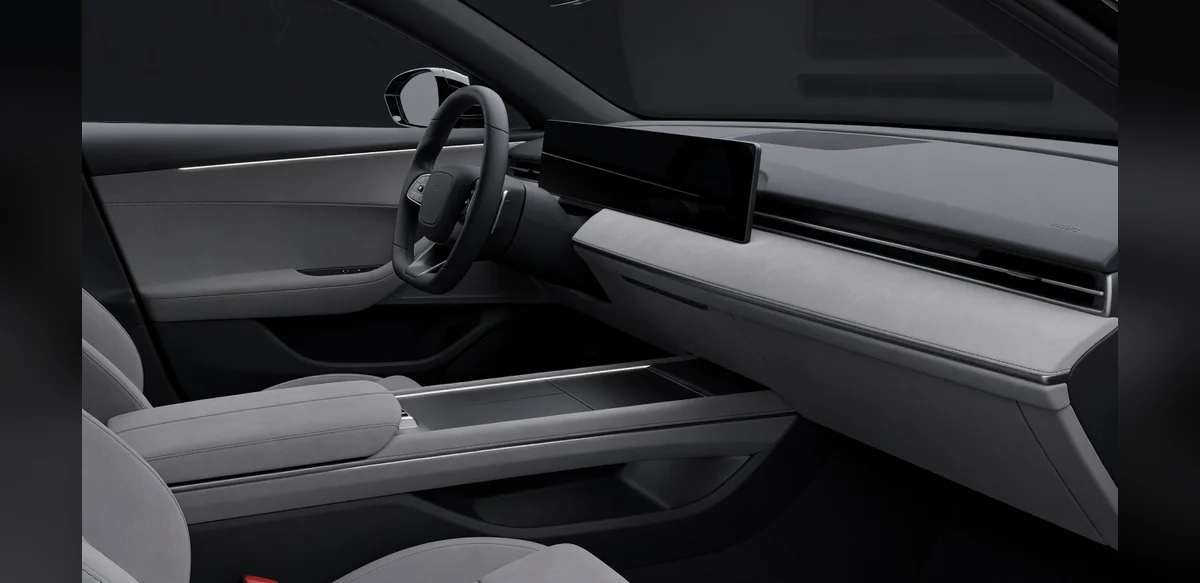
Nissan has announced plans to remove gloss black interior trim from its future vehicle lineup. The decision follows widespread customer feedback highlighting practical drawbacks associated with the material. Company representatives indicated that the change will begin appearing in models scheduled for release over the coming years.
Gloss black surfaces have been popular in automotive design for their sleek appearance. However, they are prone to visible fingerprints, scratches, and dust accumulation. Owners frequently report that maintaining the finish requires constant attention, which many find inconvenient during daily use.
Nissan executives stated that the shift aligns with broader efforts to improve long-term ownership satisfaction. Alternative finishes under consideration include matte textures and soft-touch materials that resist wear more effectively. These options aim to deliver a premium feel while reducing maintenance demands.
Industry observers note that several other manufacturers have already moved away from high-gloss black components in recent model years. The trend reflects growing consumer preference for durable, low-maintenance interiors that retain their appearance over time.
The automaker emphasized that the transition will not affect current production vehicles. Existing models will continue with their current specifications until the end of their production cycles. Future platforms are expected to incorporate the revised interior specifications as standard.
Customer research conducted by Nissan revealed consistent complaints about gloss black trim across multiple vehicle segments. Survey participants cited difficulty in keeping surfaces clean and concerns about premature wear in high-touch areas. These findings contributed directly to the policy change.
Design teams are now evaluating various material substitutes that maintain visual appeal without the associated drawbacks. Prototypes featuring the new finishes have undergone initial durability testing with positive early results. Further refinements are planned before widespread implementation.
The move is part of Nissan’s ongoing product development strategy focused on addressing real-world usage patterns. By responding to owner feedback, the company seeks to strengthen its reputation for thoughtful engineering and customer-centric design choices.
Automotive analysts suggest that eliminating gloss black trim could influence similar decisions at competing brands. As interior quality becomes an increasingly important differentiator in the market, manufacturers are prioritizing materials that balance aesthetics with practicality.
Nissan has not disclosed specific timelines for individual models. The company indicated that announcements regarding particular vehicles will be made closer to their launch dates. In the meantime, engineering and design work continues to finalize the new interior specifications.
Overall, the decision underscores a shift toward more resilient cabin materials across the automotive sector. Nissan’s approach demonstrates how direct customer input can shape product evolution in meaningful ways.

