


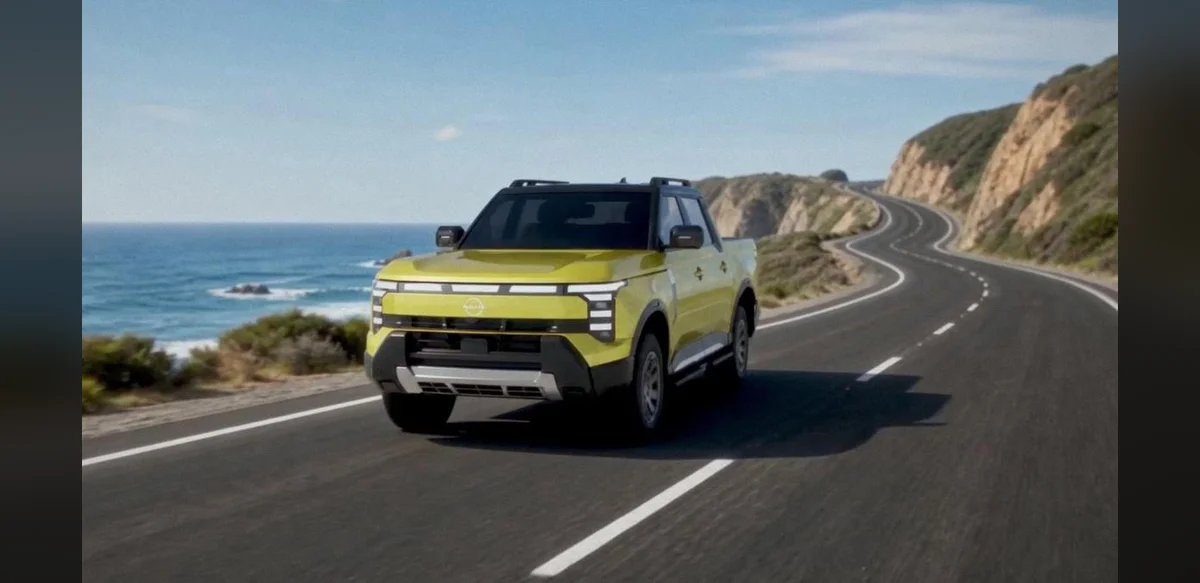
Nissan has decided to apply the Navara name to its latest plug-in hybrid dual-cab model produced in China. This choice draws on long-standing familiarity with the name among buyers even though the new vehicle has no direct connection to earlier versions.
The company aims to benefit from the positive associations built over many years. By reusing the name, Nissan seeks to ease the introduction of the hybrid model into the market without starting from scratch in terms of customer awareness.
Industry observers note that such naming strategies are common when manufacturers want to maintain continuity in branding. The new ute represents a shift toward electrified powertrains while still targeting the same customer base that values durability and utility.
Production in China allows Nissan to optimize costs and incorporate the latest hybrid technology. The dual-cab configuration remains central to the design, offering space for passengers alongside cargo capacity.
Market analysts suggest the approach could help the vehicle stand out in a competitive segment. Buyers familiar with the Navara name may feel more confident considering the hybrid option as a result.
The decision highlights broader trends in the automotive sector where established names are paired with new propulsion systems. This can accelerate acceptance of hybrid models among traditional ute users.
Nissan has not indicated plans to alter the naming for future variants. The focus remains on delivering a product that combines proven branding with updated efficiency features.
Overall, the strategy underscores the value of brand equity in vehicle launches. It allows the company to introduce innovations while preserving recognition that has developed over decades.


