


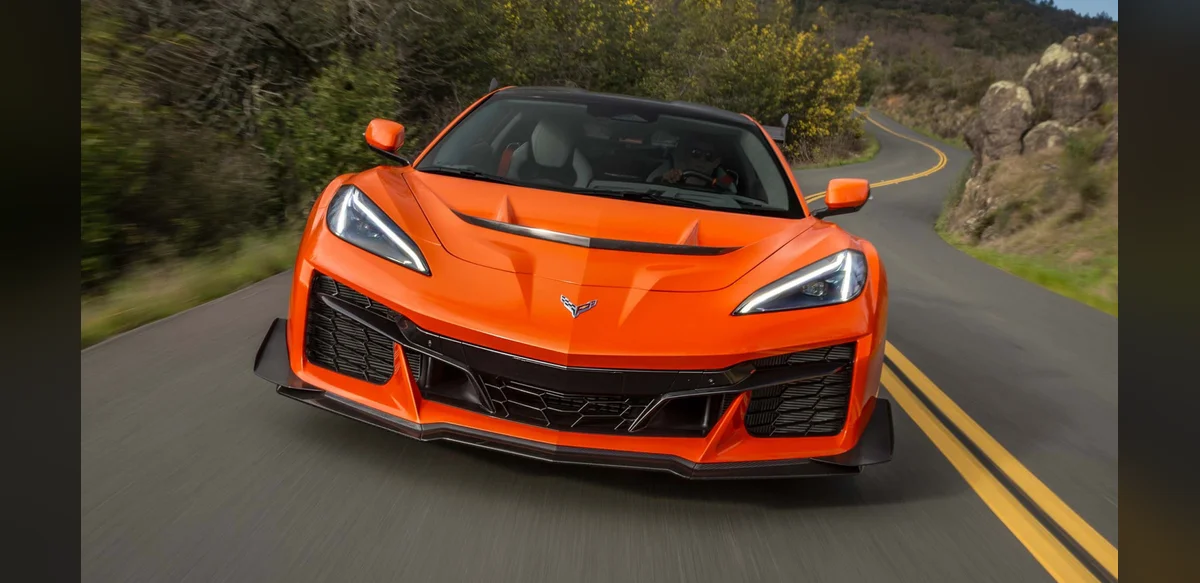
Recent evaluations of select high-performance and utility vehicles have highlighted their combined fuel economy ratings falling within a specific range. Models including the Toyota Tundra TRD Pro, Chevy Silverado Hybrid, Audi RS Q8, BMW X5 M, Mercedes-AMG GLS 63, Corvette ZR1X, and Lamborghini Revuelto have been assessed at between 12 and 19 miles per gallon under standard testing conditions.
These figures reflect real-world considerations for vehicles designed with powerful engines and substantial capabilities. The ratings account for factors such as vehicle weight, engine output, and intended use cases that prioritize performance over maximum efficiency. Industry observers note that such outcomes are common among certain categories of automobiles where acceleration and towing capacity play central roles.
Fuel economy measurements follow established protocols set by regulatory bodies, providing standardized comparisons across different makes and models. In this instance, the listed vehicles demonstrate combined city and highway results that place them at the lower end of typical passenger vehicle benchmarks. This does not imply any deviation from manufacturer specifications but rather underscores the trade-offs inherent in their engineering choices.
Automotive analysts often examine these metrics when discussing broader trends in vehicle design. Larger body styles and advanced powertrains can influence consumption patterns, leading to the observed range. Consumers interested in these particular models may weigh the performance attributes against operational costs associated with fuel use.
The data presented stems from aggregated test results and does not encompass every possible driving scenario. Variations can occur based on individual habits, terrain, and maintenance practices. Nonetheless, the consistent placement within 12 to 19 miles per gallon offers a clear reference point for those evaluating options in this segment.
Further context on automotive efficiency reveals ongoing developments in powertrain technologies aimed at balancing power with reduced consumption. While the vehicles in question maintain their reported ratings, the sector continues to explore refinements that could affect future iterations. This snapshot serves as an informational overview rather than a comprehensive ranking or endorsement.
Readers seeking detailed specifications are encouraged to consult official sources for the most current figures. The focus remains on transparent reporting of available test outcomes for these seven vehicles, ensuring clarity without additional interpretation.

