


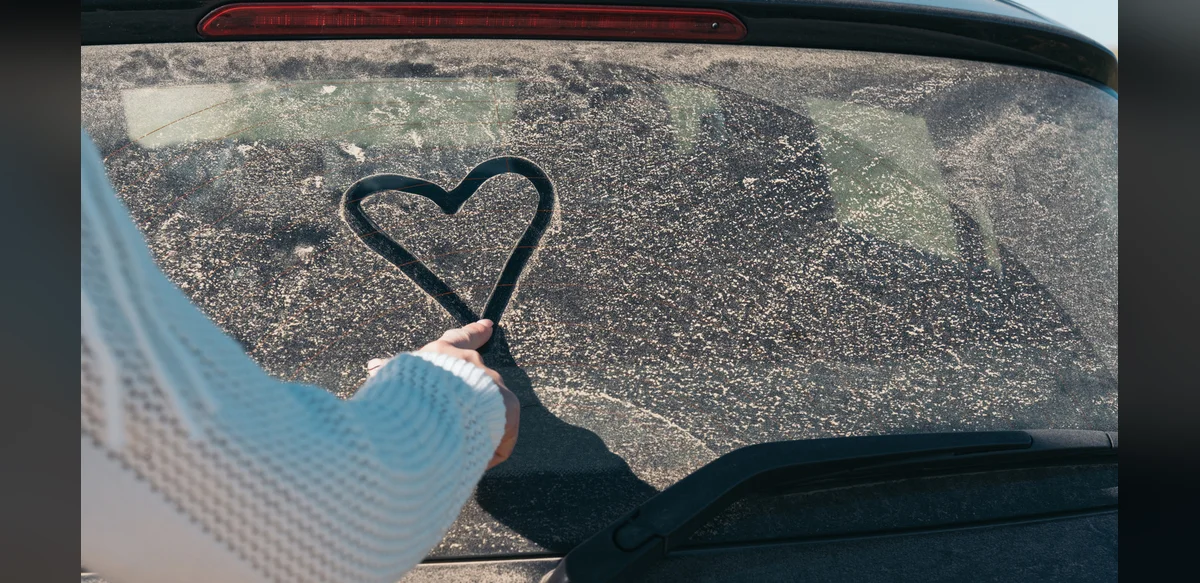
A recent poll organized by Talker Research for Turtle Wax has drawn attention to how individuals assess potential romantic interests based on the appearance of their automobiles. The findings suggest that the cleanliness and organization of a car can play a role in forming initial opinions during the early stages of dating.
The survey highlights a connection between personal vehicle upkeep and social judgments. Respondents indicated that a disorganized or dirty car might lead to negative assumptions about a person’s habits or attention to detail. This observation aligns with broader discussions on how external factors contribute to interpersonal evaluations.
Automotive care products, such as those offered by Turtle Wax, often emphasize the importance of maintaining a vehicle’s exterior and interior. The poll results reinforce this perspective by linking car maintenance to personal relationships. Participants reported that visible clutter or grime could detract from an otherwise positive first impression.
In everyday scenarios, cars serve as extensions of personal space. The study points out that many people spend significant time in their vehicles, making their condition a reflection of lifestyle choices. A well-kept automobile may signal responsibility, while neglect could imply the opposite.
Dating dynamics frequently involve subtle cues beyond direct conversation. According to the research, the state of one’s car ranks among factors that influence compatibility assessments. This includes elements like stains, debris, or general disorder that might be noticed during shared rides or arrivals at destinations.
Industry representatives from Turtle Wax have used the survey to promote awareness around vehicle cleaning routines. The company positions its products as tools for enhancing both car appearance and social confidence. Such messaging ties product utility to practical life situations involving interpersonal interactions.
Public reactions to the poll have varied, with some viewing the results as a reminder to prioritize basic vehicle hygiene. Others see it as an opportunity to reflect on how minor details accumulate into larger perceptions. The data does not claim universal applicability but presents trends observed among the sampled group.
Further analysis of the findings reveals that age groups and regional differences may affect the degree of emphasis placed on car cleanliness. Younger respondents appeared more attuned to these aspects in certain contexts, though the overall pattern remained consistent across demographics. This suggests a widespread, if varying, sensitivity to automotive presentation.
The implications extend to advice for individuals preparing for social engagements. Simple steps like removing trash, wiping surfaces, and organizing compartments could mitigate potential drawbacks noted in the survey. These actions require minimal effort yet may contribute to more favorable outcomes in dating scenarios.
Overall, the Turtle Wax-commissioned research underscores a practical intersection between vehicle maintenance and human connection. By drawing attention to this link, the poll encourages consideration of how everyday environments shape relational opportunities without overstating the survey’s scope or predictive power.

