


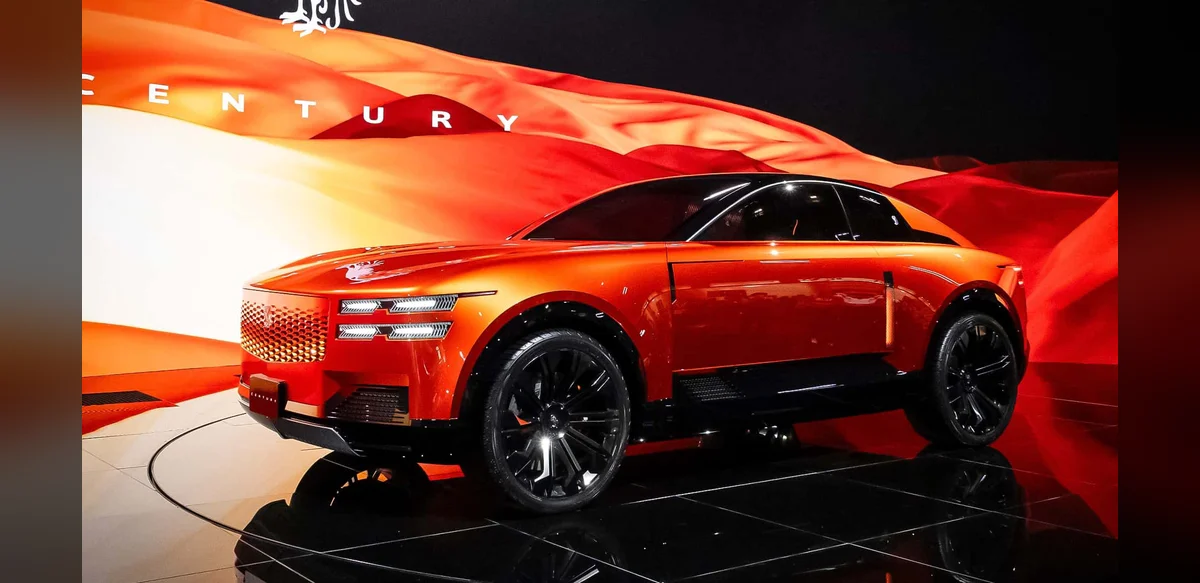
Toyota Motor Corporation is taking steps to introduce its Century marque to audiences beyond its home market in Japan. The brand is being placed in a tier above the company’s Lexus offerings. Executives have outlined intentions to compete directly against prominent European luxury vehicle makers including Rolls-Royce and Bentley across multiple international regions.
This move represents a strategic shift for the Japanese automaker as it looks to broaden the reach of Century. Previously focused primarily on domestic consumers the brand now targets a wider global customer base. The positioning emphasizes superior craftsmanship and exclusivity compared to Lexus models.
Industry observers note that such an expansion could influence competitive dynamics in the high-end automotive segment. By aiming higher than its existing luxury division Toyota appears committed to establishing Century as a distinct and elevated nameplate. The approach avoids direct overlap with current Lexus positioning while seeking to enter established rival territories.
Details surrounding the rollout remain limited at this stage yet the overarching direction signals long-term ambitions. Markets outside Japan are expected to see gradual introduction of Century vehicles tailored to meet international preferences. This careful expansion strategy aligns with broader efforts to diversify brand portfolios in response to evolving consumer demands worldwide.
The decision underscores Toyota’s interest in the ultra-luxury space where differentiation through heritage and quality plays a central role. Century is framed as offering a unique value proposition that stands apart from both Lexus and competing marques. Challenges in building recognition abroad are acknowledged implicitly through the measured pace of the planned global push.
Overall the initiative highlights ongoing evolution within Toyota’s luxury vehicle strategy. By elevating Century above Lexus and setting sights on Rolls-Royce and Bentley the company demonstrates readiness to engage established players on their own terms in new territories. Future developments will determine the extent of success in these efforts across diverse regions.
Additional context reveals that Toyota views this as an opportunity to leverage existing manufacturing strengths while adapting Century for varied regulatory and cultural environments. The brand’s heritage in Japan provides a foundation for storytelling that could resonate with international buyers seeking alternatives in the premium segment. Emphasis remains on maintaining core attributes such as reliability and refinement during the transition to global availability.
Market analysts suggest the timing coincides with growing interest in diverse luxury options beyond traditional European dominance. Toyota’s entry via Century could introduce fresh competition and potentially reshape buyer considerations in key areas. The focus on positioning above Lexus ensures clear brand hierarchy within the company’s lineup avoiding internal confusion.
In summary the plan centers on measured international growth for Century with explicit aims to surpass Lexus standards and rival top-tier names like Rolls-Royce and Bentley. This reflects calculated steps toward greater worldwide presence without altering the fundamental message of elevated luxury aspirations. Continued monitoring of implementation will provide further insights into execution and reception in target markets.

