

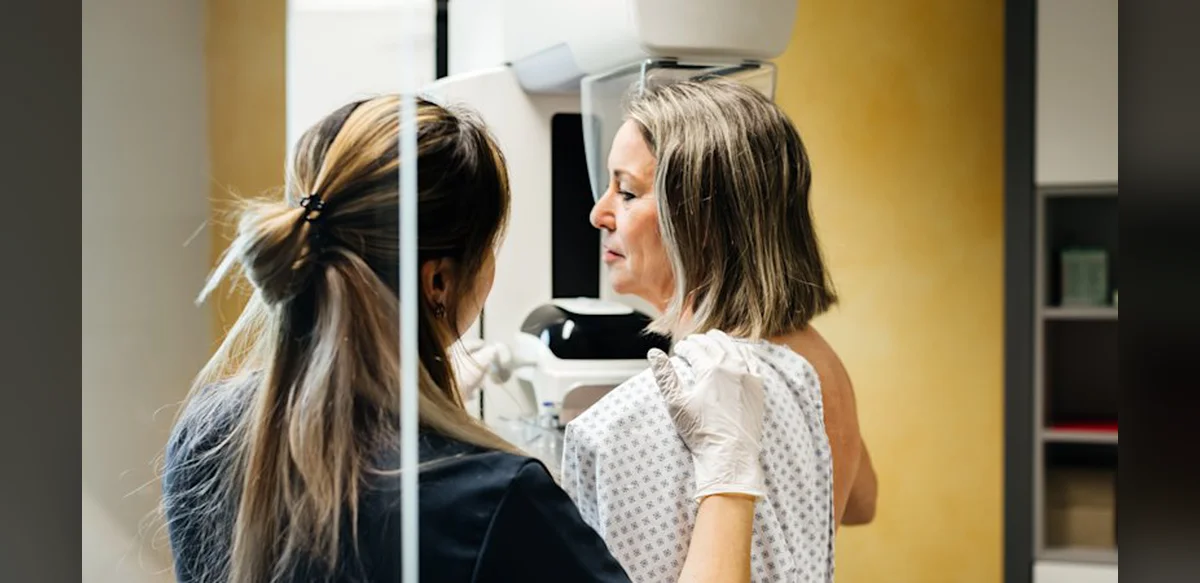
Health authorities in Australia are preparing a significant transformation in the national approach to breast cancer detection. The updated framework will move away from a uniform system based solely on age toward one that evaluates individual risk factors more precisely. This adjustment aims to identify potential cases at earlier stages by incorporating advanced diagnostic methods that extend past traditional mammogram procedures.
Under the existing setup, screening recommendations have centered on broad age brackets, applying the same protocol across large population groups. Officials now recognize that this method may overlook variations in personal health profiles, family history, and other contributing elements. The revised strategy seeks to address these gaps by tailoring assessments to specific circumstances.
Implementation will involve new technologies designed to enhance accuracy and reduce unnecessary procedures for those at lower risk. These tools are expected to complement existing practices while providing deeper insights into tissue characteristics and potential abnormalities. Experts involved in the planning emphasize that the goal remains consistent: improving outcomes through timely intervention.
The transition is anticipated to unfold gradually, allowing medical facilities to adapt equipment and train personnel accordingly. Public health campaigns will accompany the rollout to inform eligible individuals about the updated criteria and what to expect during evaluations. This communication effort is viewed as essential for maintaining high participation rates.
Stakeholders from various medical organizations have expressed support for the direction of these reforms. They note that risk stratification has shown promise in other health domains and could similarly benefit breast cancer programs by allocating resources more effectively. Data from pilot studies conducted in select regions have informed the broader policy adjustments.
Challenges associated with the change include ensuring equitable access across urban and rural areas. Remote communities may require additional support to integrate the newer diagnostic options without delays. Funding allocations and infrastructure upgrades are under review to mitigate such disparities.
Monitoring mechanisms will track the performance of the risk-based model once active. Regular reviews will assess detection rates, patient feedback, and overall system efficiency. Adjustments can be made based on emerging evidence to refine the approach further.
The overhaul reflects ongoing efforts to modernize preventive health services in line with scientific advancements. By focusing on individualized pathways, the program intends to maximize the benefits of screening while minimizing potential drawbacks linked to over-testing.
Education for primary care providers will play a key role in the success of the initiative. General practitioners will receive guidance on discussing risk profiles with patients and referring them appropriately within the new structure. This step ensures seamless coordination between routine checkups and specialized screening centers.
Overall, the planned modifications represent a thoughtful evolution in public health strategy. They prioritize precision and adaptability without altering the fundamental commitment to early detection and improved survival rates for those affected by breast cancer.


