

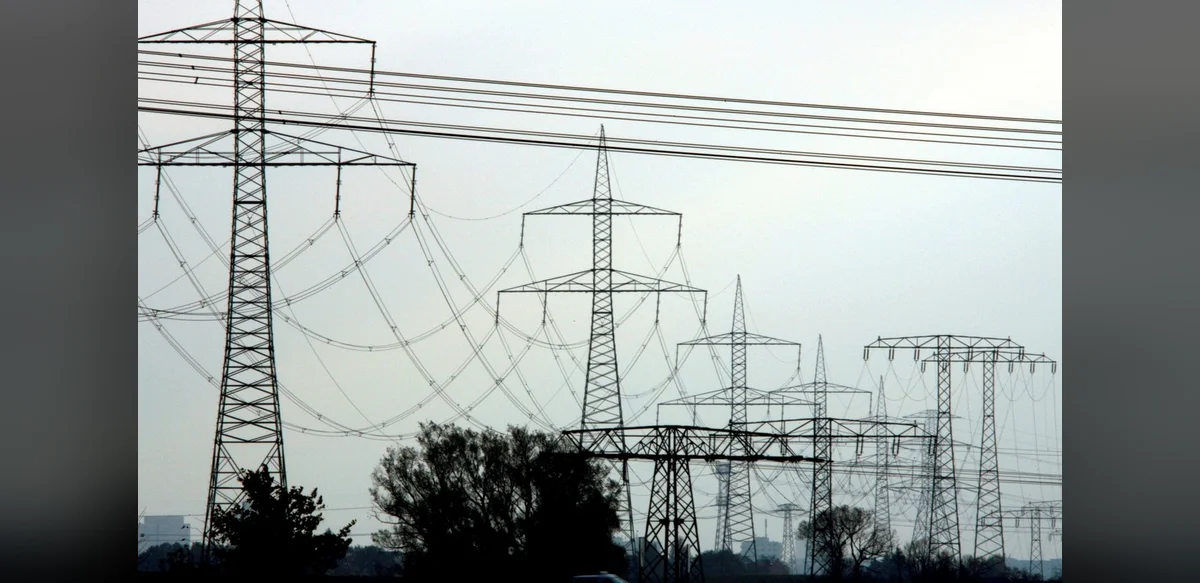
Electricity demand across the region is being fully met by available supply and has started to decrease in recent days as temperatures moderate, according to statements from the Cyprus Transmission System Operator. Officials at the National Energy Control Centre have noted that the reduction aligns with seasonal shifts and is projected to continue in the near term.
The Transmission System Operator plays a central role in monitoring and balancing supply with consumption patterns. Its assistant director highlighted that current conditions allow for stable operations without strain on the network. This development follows a period of higher usage driven by warmer weather, which typically increases reliance on cooling systems in homes and businesses.
Grid management involves continuous assessment of generation capacity, transmission lines, and distribution points to ensure reliability. When temperatures drop, overall consumption tends to ease, reducing pressure on resources and allowing for more efficient allocation. The operator’s assessment indicates that these trends support ongoing stability.
Public awareness of energy usage patterns can contribute to smoother grid performance during transitional weather periods. Simple adjustments in daily routines often correspond with broader declines in peak loads. The Transmission System Operator continues to track developments closely and communicate updates as needed.
Infrastructure supporting electricity delivery includes substations, interconnectors, and monitoring technologies that provide real-time data. These elements enable quick responses to fluctuations in demand. With the current easing, maintenance schedules and planning activities can proceed without urgency.
Regional energy systems benefit from predictable seasonal variations that allow operators to anticipate changes. The recent moderation in temperatures has produced measurable effects on consumption metrics. Continued observation will confirm whether the downward trajectory persists through the coming weeks.
Coordination between generation facilities and the control centre ensures that supply matches needs at all times. The assistant director’s comments underscore confidence in the system’s capacity to handle variations. This approach helps maintain service quality for all users.
Broader factors influencing electricity demand include economic activity levels and population density in urban areas. However, temperature remains a primary driver during certain months. The operator’s data reflects these influences in daily reports.
Efforts to enhance grid resilience involve investments in technology and training for personnel. Such measures support consistent performance even when conditions shift. The current situation demonstrates the effectiveness of these preparations.
Consumers may notice indirect benefits from reduced demand, such as more stable pricing signals in competitive markets. The Transmission System Operator’s role focuses on technical reliability rather than commercial aspects. Its updates provide valuable context for understanding system dynamics.
Looking ahead, similar patterns are expected if weather remains moderate. The National Energy Control Centre will maintain vigilance to address any unexpected changes promptly. This proactive stance helps safeguard the integrity of the electricity network.
Documentation of demand trends contributes to long-term planning for infrastructure upgrades. Historical data shows correlations between climate variations and consumption, informing future strategies. The recent decline fits within established patterns observed by the operator.
Overall, the Transmission System Operator’s assessment points to a positive outlook for grid operations in the short term. Full supply coverage combined with falling demand creates favorable conditions for efficient management. Continued monitoring will provide further insights as the season progresses.


