


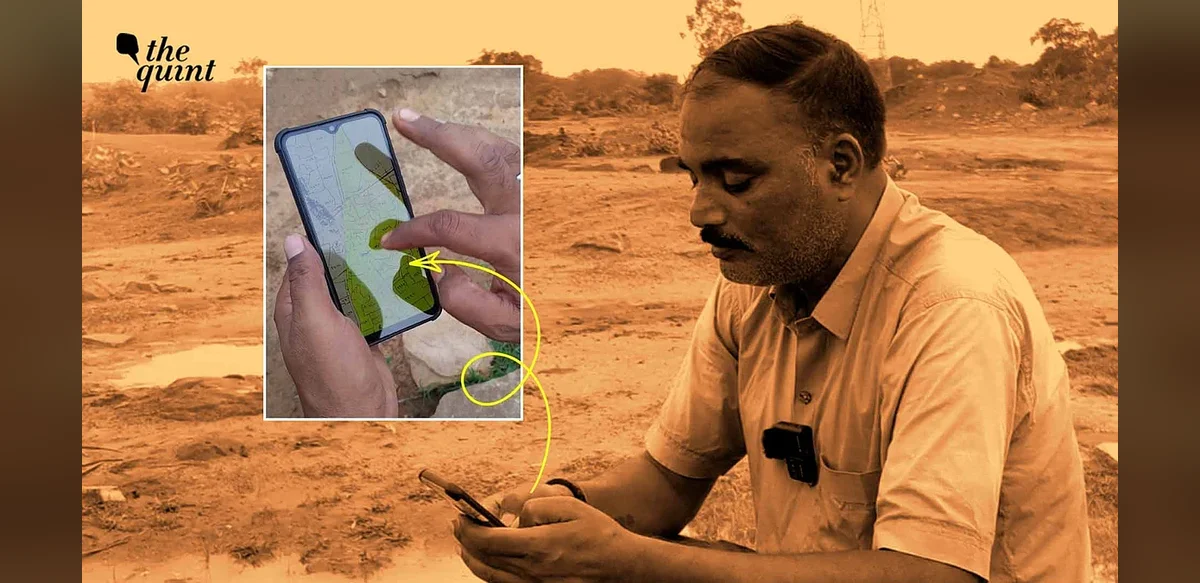
In a rural area of Uttar Pradesh, questions have arisen among local residents regarding a land transaction from 2017. Records indicate that approximately 6.458 acres in the village of Biharaya were transferred to a company named UP Mehrauni-I Urja Pvt Ltd. The purpose stated in the documents was the development of a solar power facility with a capacity of 40 megawatts.
Residents in the vicinity have voiced unease about the details surrounding the agreement. They claim that the information presented in the official sale deed does not align with the descriptions they received prior to the transaction. This discrepancy has led to uncertainty about the future use of the land and its implications for the community.
The region has seen growing interest in renewable energy initiatives as part of broader state efforts to increase solar capacity. Such projects often involve negotiations with landowners and can affect agricultural activities that form the backbone of local livelihoods. Farmers in the area have raised points about long-term impacts, including whether the land might revert to previous uses once any lease periods conclude.
Officials involved in the project have not issued detailed public statements addressing the specific allegations from locals. The matter highlights the complexities that can emerge when large-scale infrastructure developments intersect with traditional land ownership patterns in rural India.
Community members continue to seek clarity on the terms of the deal and any assurances regarding post-project land status. Discussions in the village reflect a mix of anticipation for potential economic benefits from the solar installation and apprehension over changes to established farming practices.
As Uttar Pradesh pursues expansion of clean energy sources, similar situations may arise in other districts where land is acquired for such purposes. Observers note that transparent communication between developers, authorities, and residents remains essential to building trust and minimizing conflicts.
The solar project in question represents one element of the state’s push toward sustainable power generation. With targets set for increased renewable output, authorities have encouraged private sector participation through various incentives and partnerships.
Local voices emphasize the need for accurate record-keeping and clear explanations during land dealings. Any mismatch between documented terms and verbal understandings can erode confidence and lead to prolonged disputes.
In Biharaya, the situation remains under discussion among affected parties. No formal resolution has been reported yet, and residents await further information that might address their concerns about the land’s future after the project’s operational phase ends.
This case underscores broader themes in energy development, where balancing growth objectives with community interests requires careful handling of legal and social aspects. Continued monitoring of such projects will likely inform future policies on land use for renewables.
Overall, the episode in Uttar Pradesh illustrates the challenges inherent in scaling up solar infrastructure while maintaining equitable processes for those directly impacted by land changes.

