


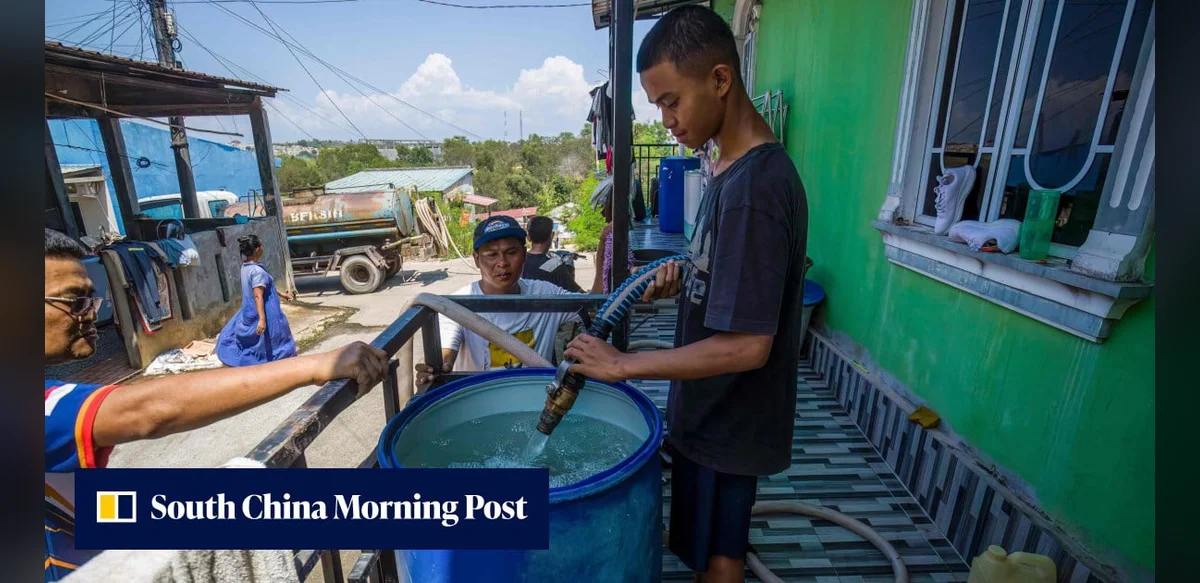
Indonesia has seen rapid growth in data centre construction over recent years, driven by increasing digital demands across the region. These facilities provide essential infrastructure for cloud services and online operations. However, the expansion has coincided with severe water shortages intensified by an El Nino-related drought. Local communities now face acute challenges in accessing clean water for daily needs.
Residents in affected areas report that data centres consume substantial volumes of water for cooling systems. This usage occurs at a time when rainfall has been significantly below average. As a result, taps in nearby neighborhoods often run dry, forcing people to ration supplies carefully. Some households have reduced bathing frequency to conserve what little remains.
Protests have emerged in several locations where data centre projects are concentrated. Demonstrators express frustration over the prioritization of industrial needs above basic human requirements. Community leaders have called for greater transparency regarding water allocation and environmental impact assessments. Officials have acknowledged the concerns but note the economic benefits these facilities bring through jobs and investment.
The situation highlights tensions between technological advancement and resource management in tropical climates prone to weather extremes. Data centres require consistent cooling to maintain equipment performance, typically relying on water-intensive methods. Alternative technologies exist but may involve higher costs or longer implementation timelines.
Environmental groups have urged regulators to review permitting processes for future projects. They advocate for mandatory water recycling systems and limits on extraction during drought periods. Meanwhile, some residents have organized collection points for bottled water donations to support the most vulnerable families.
Government statements emphasize ongoing efforts to balance growth with sustainability. Plans include exploring renewable energy sources that could reduce overall resource strain. Public forums have been proposed to allow direct dialogue between operators and affected populations.
This episode reflects broader global patterns where digital infrastructure expansion intersects with climate variability. Indonesia’s position as a growing tech hub amplifies these pressures. Continued monitoring of water tables and usage patterns will be critical in the months ahead.
Additional reporting indicates that smaller villages near major developments have experienced the sharpest declines in supply reliability. Schools and health clinics have also adjusted operations to cope with intermittent access. International observers note that similar issues have arisen in other Southeast Asian nations undergoing comparable development.
Industry representatives stress that modern data centres incorporate efficiency measures to minimize waste. They point to investments in advanced filtration and reuse technologies. Despite these steps, the scale of operations means cumulative demand remains high during peak stress periods.
Community resilience has been tested as families adapt routines around water availability. Many now store reserves in advance of known shortages. Local markets have seen increased prices for delivered water, adding economic burden to daily life.
Discussions continue at national levels about integrating water security into digital economy strategies. Policymakers are examining case studies from regions that have successfully mitigated such conflicts. The outcome of these deliberations could shape future project approvals across the archipelago.
Overall, the data centre surge has transformed expectations from initial optimism about connectivity gains to current worries over essential resource depletion. Finding equitable solutions remains a priority for all stakeholders involved.

