

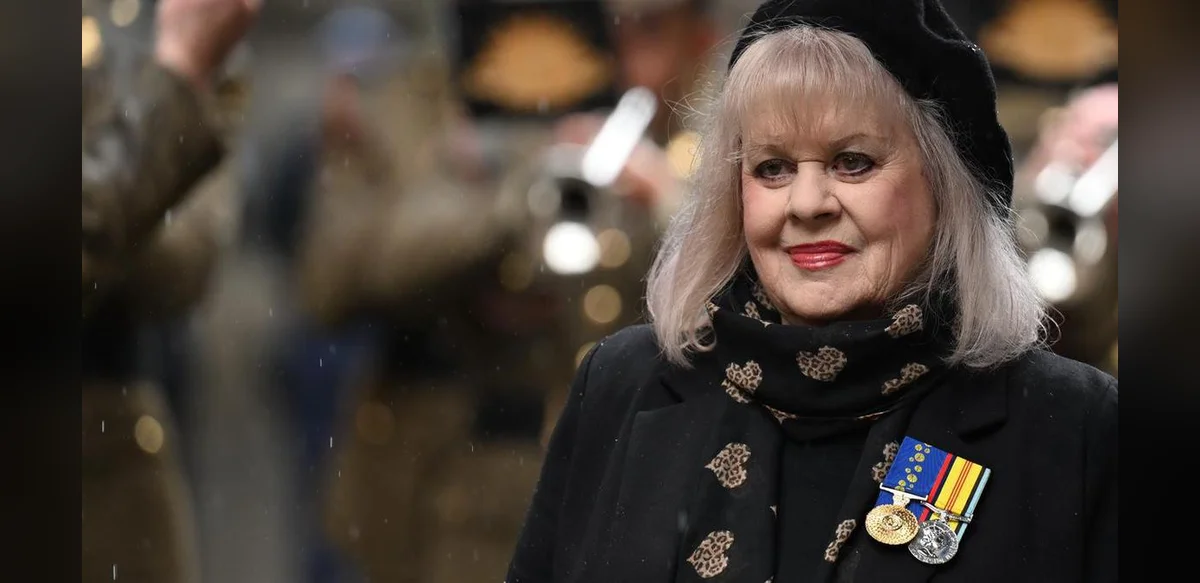
Commemorative events took place across Australia to mark Vietnam Veterans’ Day, highlighting the passage of sixty years since one of the nation’s most significant military engagements during the Vietnam War. The focus remained on the lasting effects felt by those who served and their families.
The Battle of Long Tan occurred in 1966 and represented the single deadliest encounter for Australian forces in that conflict. Services held this year allowed participants to reflect on the human cost and the ongoing challenges faced by veterans in the decades that followed.
Organizers emphasized quiet reflection rather than large public spectacles. Small groups assembled at memorials and community centers to lay wreaths and share moments of silence. Attendance included former service members, relatives, and local officials who stressed the importance of acknowledging historical events without embellishment.
Many attendees noted that the passage of time has not diminished the personal impact of the battle. Stories shared during the gatherings centered on resilience, loss, and the gradual process of healing within affected communities. Support networks for veterans played a visible role in coordinating the day’s activities.
Official statements from defense representatives underscored Australia’s commitment to remembering all who served in Vietnam. They highlighted ongoing programs that provide assistance to veterans dealing with physical and psychological effects long after their service ended.
The day also served as an opportunity to educate younger generations about the broader context of Australia’s involvement in the Vietnam War. Schools and community groups organized parallel activities that presented factual accounts of the period, encouraging informed discussion.
Weather conditions varied across different locations, yet participation remained steady. In several cities, brief ceremonies concluded with the playing of the national anthem and the distribution of informational materials about veteran support services.
Historians present at some events provided measured context on the strategic circumstances surrounding the battle without speculating on outcomes. Their contributions helped frame the commemoration as a moment for factual recall rather than reinterpretation.
Families of those who did not return from the conflict were particularly acknowledged. Their presence added a personal dimension to the proceedings, reminding observers of the wider ripple effects that extend through generations.
Overall, the commemorations maintained a tone of restraint and respect. Organizers reported positive feedback from participants who valued the opportunity to connect with others who share similar experiences.
Plans for future observances were discussed informally, with emphasis on sustaining support structures for aging veterans. The focus stayed on practical assistance and continued recognition of service rendered during a difficult chapter in Australian military history.
Community leaders expressed hope that such annual events will continue to foster understanding and solidarity. They noted the value of preserving accurate records and personal testimonies for archival purposes.
In rural areas, smaller gatherings mirrored the larger urban ceremonies, adapting to local resources while maintaining the same core purpose of remembrance. These decentralized events underscored the nationwide reach of the day’s significance.
The collective mood across all locations reflected a shared commitment to honoring the past while supporting those still affected by its consequences. No major incidents were reported, allowing the focus to remain squarely on reflection and quiet tribute.


