


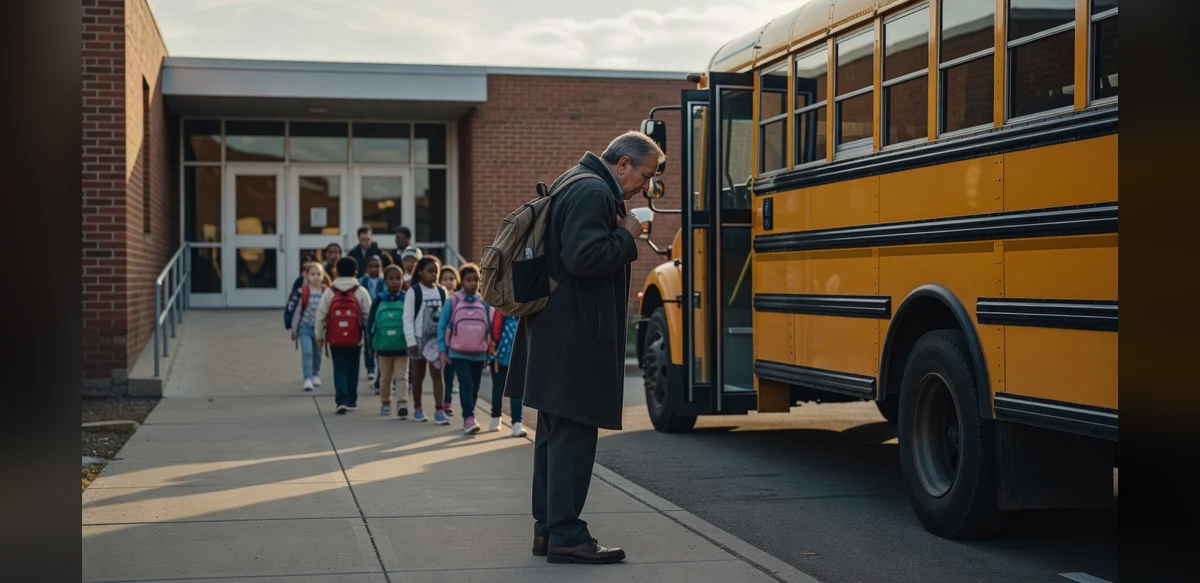
A mother in Suffolk, Virginia, has raised concerns following an incident in which her four-year-old son was placed on a school bus at the end of the first day of classes. According to the parent, the child was not intended to use bus transportation, and the unexpected placement has prompted questions about how the error occurred.
The situation unfolded after dismissal on the opening day of the school year. The mother stated that her son was supposed to be picked up by another means, yet he ended up boarding a bus instead. She has expressed alarm over the mix-up and is seeking clarification on the procedures that led to the child being assigned to the vehicle.
School officials in the area have not yet provided detailed public comments on the specific case. The parent indicated that she is waiting for answers regarding oversight during the busy dismissal period, when many young students are transitioning from classrooms to their rides home.
Incidents involving young children and transportation arrangements can create uncertainty for families, particularly on the first day when routines are still being established. The mother noted that she wants to understand the steps taken by staff to verify each child’s assigned method of departure.
Local education policies typically require clear documentation of how each student will travel home, especially for those in early grades. Parents often complete forms specifying whether a child will ride a bus, be picked up by car, or walk. Any deviation from those instructions can lead to confusion if verification processes are not followed strictly.
The first day of school is often hectic, with increased activity around school grounds as students, staff, and families adjust to new schedules. Dismissal times can be particularly crowded, requiring careful coordination to ensure every child reaches the correct destination.
The Suffolk parent said she hopes the school will review its protocols to prevent similar occurrences. She emphasized the importance of reliable communication between families and school personnel when it comes to the safety of young children.
No injuries or further complications were reported in connection with the event. The mother continues to seek a full explanation from the district about the circumstances that allowed the child to board the bus.
Community members have noted that such mix-ups, while uncommon, highlight the need for robust systems during high-volume periods like the start of the academic year. Schools generally rely on multiple checks, including name tags, class lists, and staff supervision, to manage student movement.
The parent plans to follow up with administrators until she receives a satisfactory account of the incident. She stated that her primary goal is to ensure that transportation arrangements for her child are handled correctly going forward.
This case has drawn attention to the challenges schools face in managing dismissal procedures for hundreds of students simultaneously. Accurate record-keeping and real-time verification remain central to avoiding errors.
As the school year progresses, the district may examine whether additional training or technology could strengthen existing safeguards. The mother’s experience serves as a reminder of the vigilance required when overseeing the daily routines of young learners.
Families in similar situations are encouraged to confirm transportation details directly with school staff at the beginning of each term. Clear documentation and open lines of communication can help reduce the likelihood of misunderstandings.
The incident remains under review by local education authorities. The parent has indicated she will continue to advocate for improved processes to protect students during arrival and departure times.
Overall, the event underscores the shared responsibility between parents and schools to maintain accurate information about each child’s after-school plans. Both parties play a role in ensuring smooth and safe transitions at the end of the school day.


