


The Vishva Hindu Parishad has issued a public appeal asking organizers of Garba and Dandiya celebrations across Maharashtra to restrict participation to non-Muslim attendees. The statement, released ahead of the Navratri season, has prompted a swift response from state authorities.
Maharashtra State Minority Commission Chairman emphasized that religious festivals serve to bring communities together rather than create separation. In remarks to reporters, the chairman noted that such events have historically welcomed participants from diverse backgrounds and that calls for exclusion run counter to the spirit of shared cultural practices.
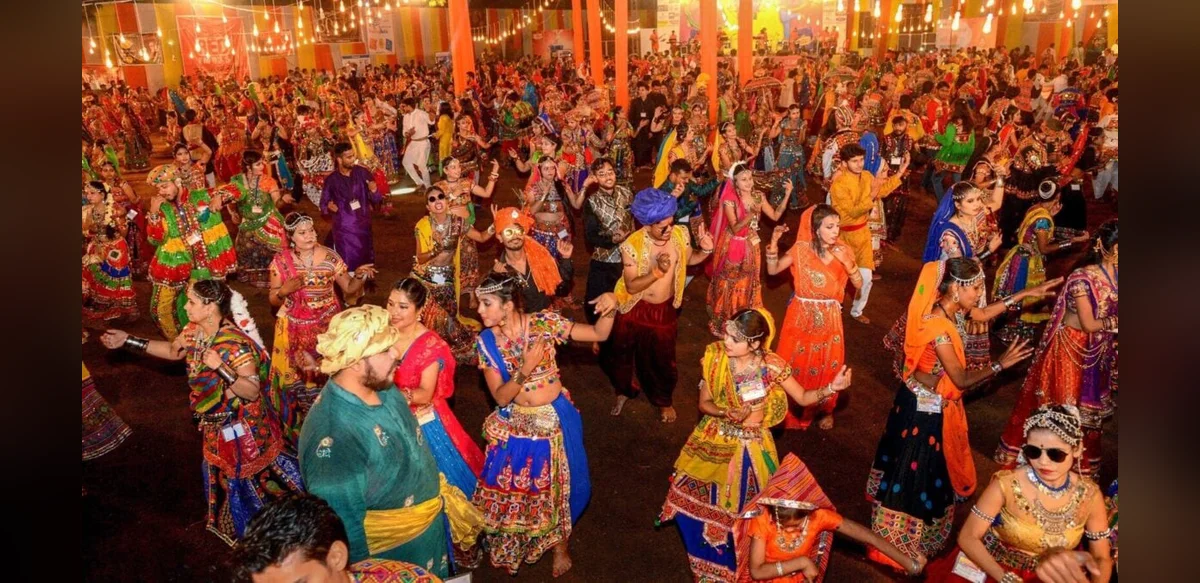
Garba and Dandiya are traditional dance forms performed during the nine-night Navratri festival. Participants typically gather in public grounds, temples, and community halls to perform circular dances accompanied by live music and devotional songs. In Maharashtra, these gatherings draw large numbers of residents from urban and rural areas alike.
The VHP appeal specifically referenced venues in several districts, urging local committees to verify the religious identity of those seeking entry. Organizers contacted by local media said they had received the communication but had not yet decided on any changes to admission policies.
Critics of the appeal argue that it introduces religious screening into events that have long functioned as open public celebrations. Community leaders from multiple faiths have expressed concern that such measures could discourage attendance and strain inter-community relations built over decades.
The Minority Commission chairman reiterated that government policy supports inclusive participation in cultural programs. He pointed out that state-supported festivals receive public funding precisely because they promote social harmony and collective participation.
Local police departments have indicated they will monitor the situation to ensure public order is maintained. Officials stressed that any restrictions on entry must comply with existing laws governing public gatherings and non-discrimination.
Navratri celebrations in Maharashtra usually begin in early October and continue for nine consecutive nights. Attendance at major venues can reach several thousand people each evening, with families and groups traveling from neighboring districts.
Observers note that previous years have seen occasional disputes over venue management and noise levels, but religious exclusion has not been a standard feature of the events. The current appeal marks a departure from that pattern.
The commission has invited representatives from the VHP and festival organizers to a meeting aimed at clarifying the scope of the appeal and exploring ways to maintain peaceful celebrations. No date has been set for the discussion.
Residents interviewed in Mumbai and Pune expressed mixed views. Some supported the right of private organizers to set their own rules, while others said the festivals lose meaning if they become closed to any segment of the local population.
State government sources confirmed they are reviewing the matter but have not issued a formal directive. They reiterated that public safety and adherence to local regulations remain the primary concerns during the festival period.
The episode has drawn attention from civil society groups that track communal relations. These organizations have called for calm dialogue and urged all parties to avoid actions that could escalate tensions ahead of the holiday season.
As preparations for Navratri continue, festival committees are expected to finalize logistics in the coming days. The outcome of those decisions will determine whether the VHP appeal influences entry practices at venues across the state.


