


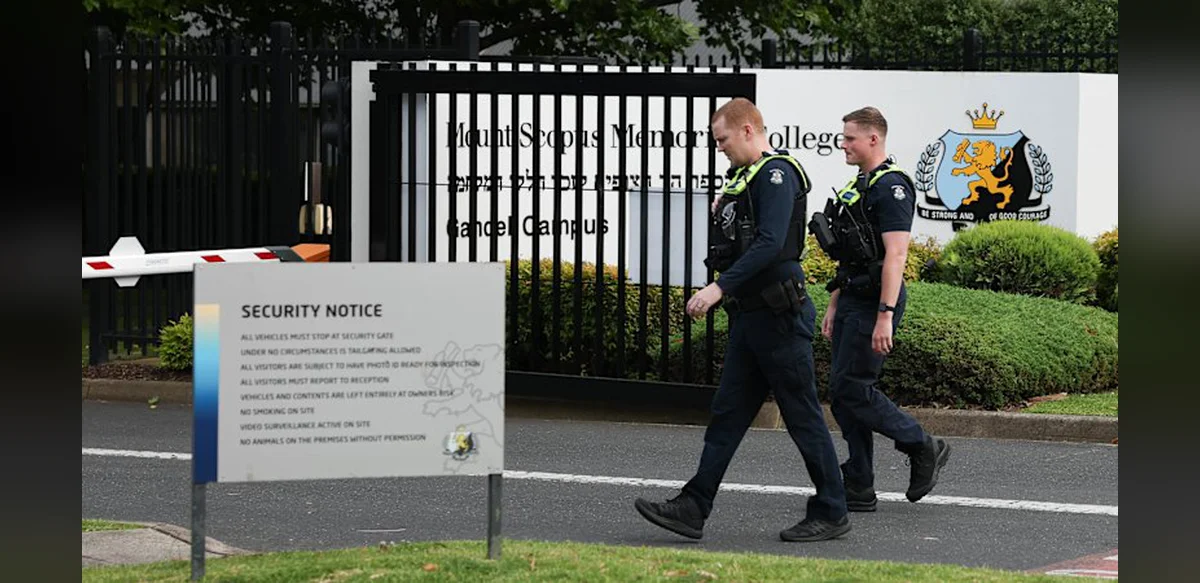
Community representatives from Jewish schools in Australia have shared their experiences with an official inquiry into rising antisemitism. They described how young students have come to view extensive protective measures as an ordinary part of daily life. Leaders emphasized that this perception should not be accepted as routine and called for stronger efforts to address underlying issues.
The testimony highlighted the presence of armed personnel at educational facilities and the ongoing concerns about potential threats. School officials noted that these arrangements, while necessary for safety, shape the environment in which children learn and interact. They expressed hope that future generations would not need to normalize such conditions.
During the hearings, witnesses outlined the practical steps taken by institutions to maintain security. These include coordination with local authorities and regular assessments of risks. The accounts focused on the impact on students, who encounter these protocols from an early age and integrate them into their understanding of normal school routines.
The inquiry continues to gather evidence from various sectors of the community. Participants stressed the importance of balancing protection with efforts to foster an open and inclusive atmosphere. They urged policymakers to consider both immediate safety needs and longer-term strategies to reduce tensions.
Observers at the proceedings remarked on the measured tone of the presentations. School leaders avoided sensational details and instead concentrated on factual descriptions of current practices. Their statements underscored a collective desire to prevent the current level of vigilance from becoming permanent.
The royal commission is examining multiple aspects of antisemitism across Australian society. Education settings form one key area of focus, given the direct influence on younger members of the community. Testimonies like those provided by school representatives offer insight into how security considerations affect everyday activities.
Community groups have welcomed the opportunity to contribute to the inquiry. They view it as a chance to document challenges and propose constructive responses. The emphasis remains on ensuring that protective measures do not define the childhood experiences of students.
Further sessions are scheduled in coming weeks. Additional voices from schools and related organizations are expected to add to the record. The process aims to produce recommendations that support both safety and the well-being of all involved.
Throughout the discussions, a recurring theme has been the aspiration for an environment where heightened security is no longer required. Leaders conveyed that while current arrangements serve a vital purpose, they represent a situation that society should strive to change over time.
The inquiry’s work is ongoing, with public updates anticipated as evidence is compiled. Participants continue to advocate for comprehensive approaches that address root causes while maintaining necessary protections in the interim.

