


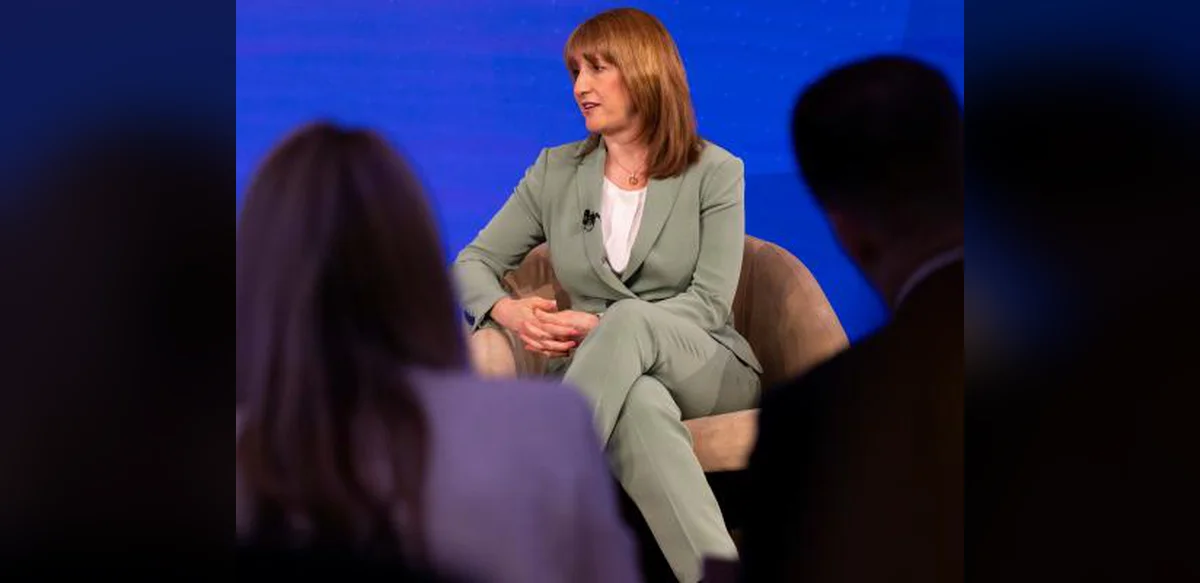
Last week, Britain’s finance minister attended a dinner with EU counterparts in Washington during the IMF’s spring meetings, marking the first such participation by a UK chancellor since leaving the EU. This event highlights the current government’s increasing focus on enhancing relations with the bloc. Such moves align with global uncertainties, including tensions in the Middle East under former U.S. President Donald Trump’s influence. Domestically, political and economic factors are also pushing for closer EU engagement, with the administration becoming more attuned to these realities.
Experts in political science have noted that the ruling party is losing more supporters to progressive, EU-friendly groups than to right-wing alternatives. This trend may become clearer after upcoming local elections. Following a key advisor’s exit, the government seems more inclined to regain these progressive voters rather than pursuing those who switched from conservative ranks in the last national vote.
On the economic front, evidence is mounting regarding Brexit’s effects on the government’s primary goal of boosting growth. In a recent speech, the finance minister referenced research from a U.S.-based economic institute, indicating that EU exit could have reduced the economy by as much as 8%. She described the harm as profound, exceeding prior assessments and far outweighing benefits from post-2016 trade agreements with non-EU countries. The minister emphasized that no single-nation deal can match the value of ties with a neighboring bloc that shares borders, integrated supply chains, and nearly half of Britain’s trade.
The government’s planned reset in EU relations, as outlined in its election platform, includes talks on agriculture, energy markets, and emissions policies. Analysts estimate these could add less than 0.5% to GDP. While worthwhile, the finance minister is exploring further options, such as adopting EU rules dynamically for better single market access. Specific sectors remain undefined, but legislation is planned to allow regulatory alignment without constant parliamentary approval.
This approach is practical, though constraints exist. Expanding too broadly might prompt EU objections to selective benefits without full membership. Greater gains could require accepting free movement of people, violating a key government commitment. Recent EU-Switzerland negotiations avoided piecemeal access by including free movement and financial contributions, short of full market integration.
Think tank leaders suggest the prime minister and finance minister may seek unattainable goals, as benefits often come with obligations. Ironically, this gradual strategy resembles a previous Conservative proposal for targeted EU alignment, which failed amid political turmoil. Observers note the current government would likely embrace that arrangement now.
As opposition Brexit spokesperson, the current prime minister helped derail cross-party talks on an EU withdrawal deal, insisting on a public vote. This contributed to the prior government’s collapse, paving the way for a harder Brexit under a successor. The opposition then pushed for reopening negotiations via another referendum, a stance the prime minister championed. Internal divisions and exhaustion led to a major electoral loss. Early signs of political missteps were apparent to close observers.
If the party is

