


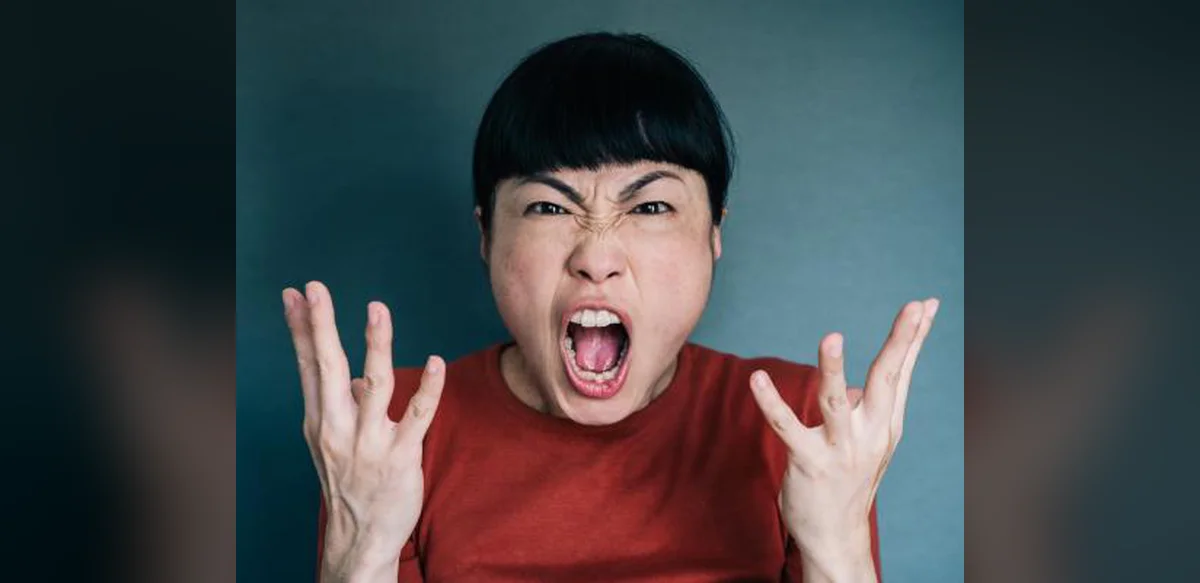
Social media platforms like Instagram and TikTok are circulating a claim that women who are overly accommodating may develop autoimmune diseases unless they adopt a more assertive attitude. One popular post states that failing to set boundaries could lead to such conditions, with variations gaining thousands of likes and shares. Some users attribute their recovery from autoimmune issues to becoming less compliant, linking excessive niceness to problems like depression and digestive disorders. Others discuss breaking free from societal expectations of being agreeable, suggesting that protecting personal well-being allows the body to heal naturally.
As someone affected by alopecia, an autoimmune disorder, the author finds this idea appealing on an intuitive level, associating her hair loss with efforts to please everyone during conflicting pressures. However, she acknowledges the oversimplification and lack of scientific backing, noting that broad generalizations about all women are unrealistic and that immunologists would likely dismiss these claims due to insufficient evidence from studies.
Statistics show that women are far more prone to autoimmune diseases than men; in the United States, 80% of diagnoses affect females, heightening interest in causes and prevention. Research supports a connection between stress and these conditions, with a 2018 study linking stress-related disorders to higher risks, and a 2020 analysis finding a 58% increased likelihood among those with PTSD.
The popularity of this notion reflects growing frustration among women about societal roles. Historical anger over gender inequalities has intensified since events like the 2017 women’s marches and the MeToo movement, exacerbated by pandemic disparities. Recent trends include interest in movements rejecting traditional relationships and data showing declining female happiness. Factors contributing to discontent include persistent domestic burdens, medical biases dismissing women’s pain, rising violence against females, and cultural pressures to remain conciliatory for safety.
Amid global issues led by problematic male figures, many women relate to sentiments of bottled-up rage, as captured in a 2018 tweet about anger building inside. While the social media meme lacks factual rigor, it represents a small outlet for these frustrations.

