


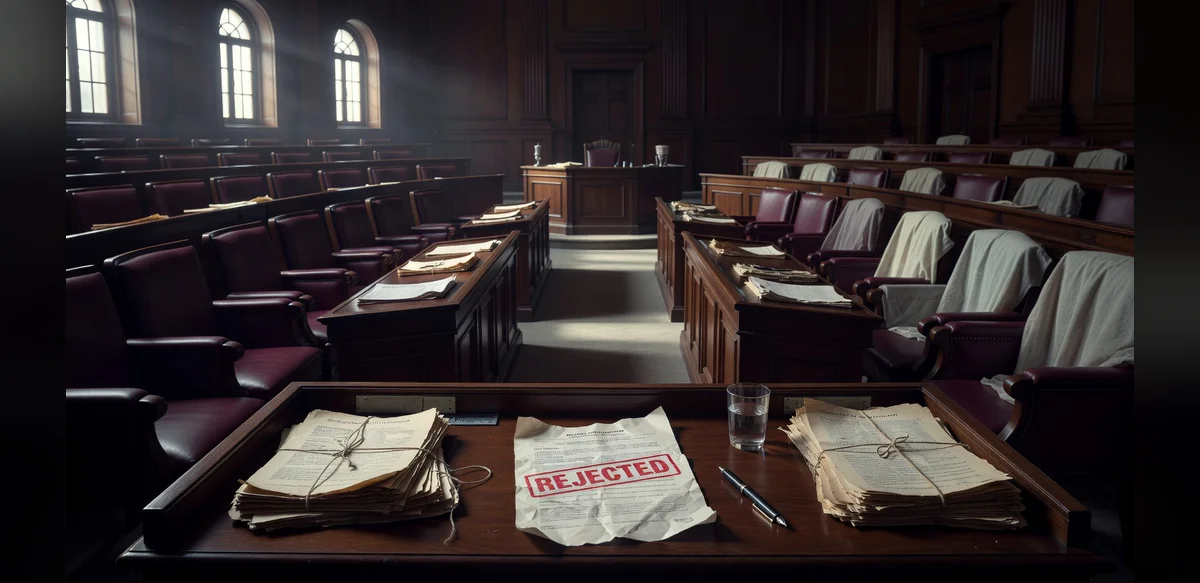
On April 17, 2026, the 131st Constitution Amendment Bill did not pass in the Lok Sabha, marking a significant setback in India’s efforts to advance women’s political representation. The bill aimed to accelerate the implementation of a 33 percent reservation for women in the lower house by the 2029 general elections. Instead, its rejection by the opposition has postponed this measure, linking it to future census and delimitation processes.
The original Nari Shakti Vandan Adhiniyam, approved in 2023 with broad support, was designed to reserve seats for women but depended on post-census redistricting. The recent amendment sought to decouple this requirement, allowing the reservation to take effect sooner. With the bill’s failure, the reservation is now expected to begin in 2034, creating a ten-year delay for women’s enhanced participation in parliament.
Opposition parties argued that the amendment could lead to imbalances between northern and southern states due to population-based seat adjustments. They expressed concerns over potential reductions in southern representation. However, the government’s plan for an expanded 816-seat Lok Sabha would increase seats in southern states like Tamil Nadu, Kerala, Karnataka, Andhra Pradesh, and Telangana from 129 to 195, maintaining their proportional share.
Critics of the opposition’s stance suggest it prioritizes regional politics over gender equity. Meanwhile, supporters of the ruling Bharatiya Janata Party (BJP) maintain that the party’s electoral successes, including recent wins in states like Maharashtra, Bihar, Haryana, and Delhi, demonstrate strength independent of boundary changes. The 2024 national elections showed some BJP setbacks, but subsequent victories indicate robust organizational capabilities.

