


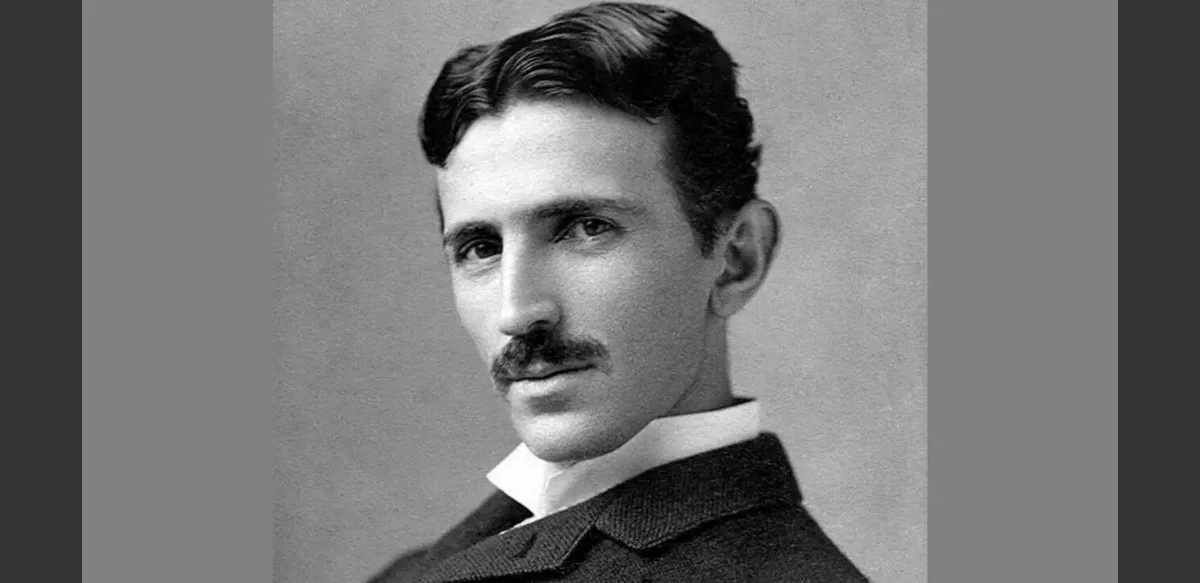
Nikola Tesla passed away in solitude on January 7, 1943, at age 86, in Room 3327 of the New Yorker Hotel in Manhattan. His death marked the close of an era for the renowned inventor, but it also sparked intrigue when U.S. authorities promptly confiscated his possessions amid World War II concerns.
By the 1940s, Tesla’s circumstances had deteriorated. The once-celebrated figure, who revolutionized electrical systems, lived modestly in hotels, burdened by debts and isolated, often feeding pigeons and avoiding visitors. His body was discovered by a hotel maid the day after he died, following a ‘do not disturb’ notice on his door.
During the war, officials viewed Tesla’s documents as potential assets due to his claims of inventing a ‘teleforce’ beam weapon, dubbed a ‘death ray’ by the press. He described it as a defensive tool to neutralize aircraft from afar, though no prototype existed. In the tense global conflict, such ideas prompted swift action to secure his materials.
Contrary to popular belief, the FBI did not conduct the seizure. Instead, the Office of Alien Property Custodian took charge of his trunks, notes, and items soon after his death. The FBI later confirmed it had no direct role in examining his room or belongings, a detail often muddled in retellings.
To assess any strategic importance, the government consulted MIT electrical engineer John G. Trump. His analysis deemed Tesla’s recent notes mostly theoretical and reflective, lacking viable blueprints for weapons or innovations. This evaluation has helped scholars distinguish reality from exaggeration.
Examinations revealed everyday lab equipment like voltage meters, with no signs of operational superweapons. While Tesla’s concepts were innovative, evidence of realized breakthroughs was absent.
Some of Tesla’s records were later repatriated to his relatives and archived in Belgrade. Yet, discrepancies in inventories have led to ongoing speculation about missing elements, possibly overlooked or concealed.
These events have inspired numerous theories, including notions that Tesla’s beam was a suppressed reality or that lost trunks held revolutionary wireless power transmission methods. His legacy includes foundational work in alternating current, wireless communication, and more, influencing modern technology from radios to electric vehicles.
Cold War tensions amplified interest in his ideas, with some pondering alternate histories if his inventions had been pursued differently. Today, the tale blends documented history with enduring legends, highlighting Tesla’s impact on science and innovation.

