


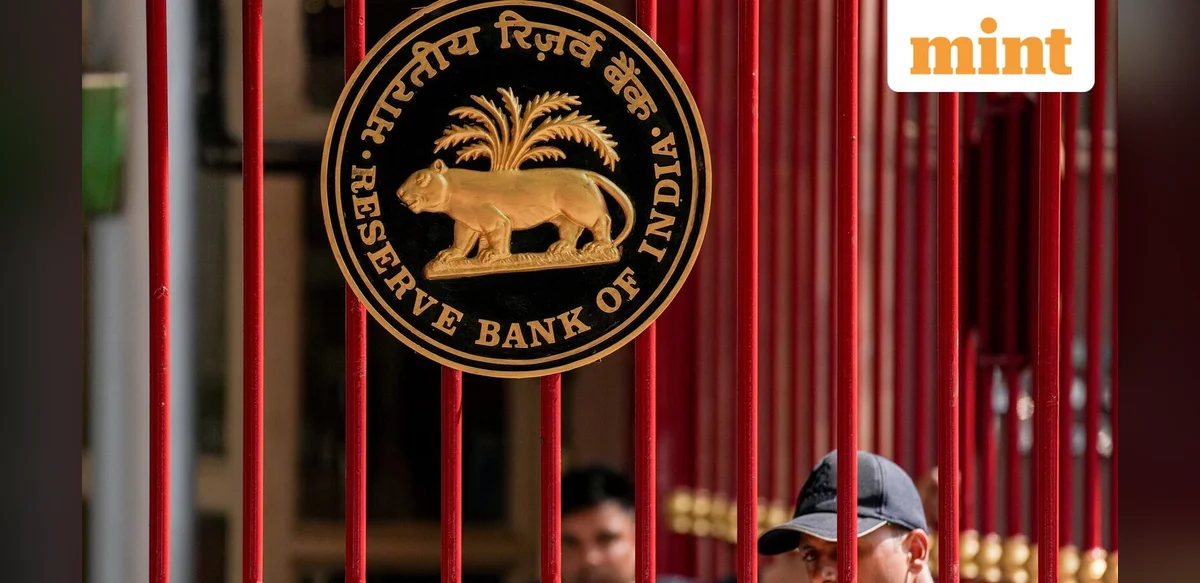
The Reserve Bank of India will send a record 2.87 trillion rupees in dividend to the central government while increasing its own contingency risk buffer by more than 1 trillion rupees. This move balances support for public finances with preparation for greater global uncertainties.
The RBI board approved the dividend on Friday. The amount exceeds last year’s 2.68 trillion rupees but falls slightly short of forecasts. The payment is expected to ease pressure on government finances amid volatile oil prices, possible subsidy costs and slower economic growth.
Economists remain split on whether the transfer will prevent a wider fiscal deficit as geopolitical tensions rise from the US-Iran conflict.
The decisions came during a Central Board of Directors meeting led by Governor Sanjay Malhotra. Deputy governors Swaminathan J., Poonam Gupta, Shirish Chandra Murmu and Rohit Jain attended along with other members. They reviewed global and domestic economic conditions and risks to growth.
Devendra Kumar Pant of India Ratings said the transfer equals 90.8 percent of budgeted non-tax revenue and should reduce fiscal strain during geopolitical uncertainty.
Aditi Nayar of Icra noted the deficit may still face pressure from higher fertilizer and fuel subsidies, weaker tax receipts and lower dividends from oil firms.
She added that an Economic Stabilisation Fund and customs duty increases on gold and silver may offer some relief, yet the fiscal deficit could exceed the 4.3 percent of GDP target by 40 basis points if crude averages 95 dollars per barrel.
Upasna Bhardwaj of Kotak Mahindra Bank said the surplus transfer limits government options for managing slippage risks. Extra borrowing is not expected now, but subsidy levels and tax growth will be watched.
The finance ministry had budgeted 3.15 trillion rupees in total dividends for the current year from the RBI and other public institutions. For the next year the figure is set at 3.16 trillion rupees.
The board also moved 1.09 trillion rupees to the Contingent Risk Buffer, up from 44,862 crore rupees last year. The amount reflects current economic conditions, bank performance and the need for adequate buffers.
Pant noted that a larger buffer will allow the RBI to act in financial markets as domestic and global conditions change.
The buffer now equals 6.5 percent of the balance sheet, down from 7.5 percent. The framework permits a range of 4.5 to 7.5 percent. The balance sheet grew 20.6 percent to 91.97 trillion rupees by end March 2026.
Net income before risk provisions rose 26.3 percent to 3.96 trillion rupees. Gross income increased 26.4 percent while spending before provisions rose 27.6 percent.
The RBI makes yearly transfers from surplus income earned through investments, foreign exchange valuation gains and currency printing fees.
Heavy dollar sales to support the rupee amid outflows and a stronger US dollar contributed to balance sheet growth. The rupee has dropped more than 6 percent since late February and hit a record low of 96.96 per dollar.

