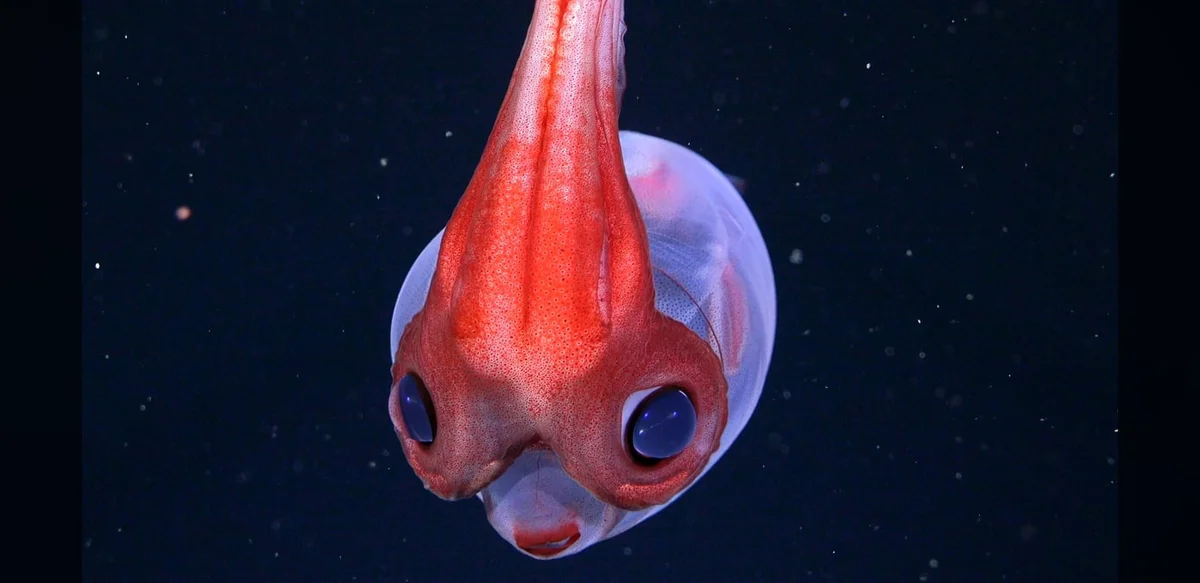
In the total darkness far below the South Atlantic off Argentina, an unexpected ecosystem thrives. It features moving crabs, starfish, translucent jellyfish drifting with currents, hidden fish, octopuses, and especially cold-water coral. The standout species is Bathelia candida, whose extensive reefs shelter many other organisms in the deep. This newly mapped area holds the biggest known reef of this coral, spanning roughly 0.4 square kilometers, comparable to Vatican City. Deep-sea biologist Santiago Herrera of Lehigh University described it as one of the richest deep environments observed. He noted that food and life usually thin out with depth, making such dense animal clusters surprising. Ocean floors remain largely unexplored because sunlight fades quickly and leaves permanent darkness, cold, and high pressure. Recent technology has allowed clearer views of these zones, revealing active biological communities. Without photosynthesis, life depends on other energy sources such as chemical compounds from vents or seeps. Researchers on the RV Falkor (too) used the ROV SuBastian to hunt for cold seeps and instead found this coral habitat. Marine scientist María Emilia Bravo of the University of Buenos Aires expressed surprise at the high biodiversity and noted many more areas remain to be studied. Deep corals lack the algae partners of shallow species yet still form large reefs by capturing falling organic matter. These reefs in turn draw additional animals, creating another type of deep oasis. At the site, basket stars, crabs, octopuses, and fish all feed on marine snow. The reef sits beneath a productive fishing zone that may supply extra nutrients. Nearby, an active cold seep supports chemosynthetic clams, though any link between the two habitats is still unclear. The expedition mapped about 900 kilometers of seafloor.