

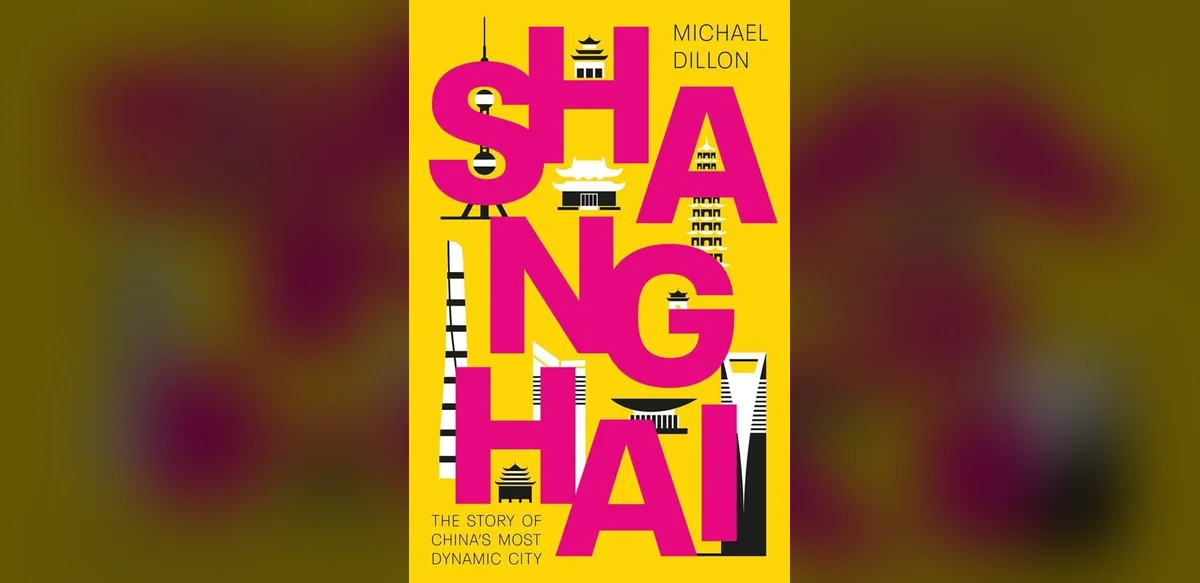
Michael Dillon has written a book titled Shanghai that presents the complete historical development of the city. The account starts with its beginnings as a modest fishing village and follows its growth through successive periods of change. It concludes with the city’s emergence as a major financial hub. The narrative maintains a steady focus on the sequence of events that shaped the urban landscape over centuries. Readers encounter descriptions of early settlement patterns along the waterways and the gradual expansion of trade activities. The text then moves to later phases of development that brought new infrastructure and economic functions. Throughout the volume the author emphasizes continuity between past and present conditions. The book organizes its material chronologically to allow clear understanding of how small origins led to large-scale contemporary importance. Attention is given to the role of location and natural features in supporting long-term growth. The writing style remains straightforward and factual, presenting information without unnecessary embellishment. Those interested in urban history will find the coverage systematic and thorough. The final sections address the city’s position in current global networks while linking back to earlier stages of its story. Overall the work functions as a single-volume reference that connects initial settlement with modern economic prominence. The structure supports both sequential reading and selective consultation on specific eras. Dillon’s treatment avoids speculation and stays within documented developments. This approach results in a reliable overview suitable for a wide audience seeking basic historical context about the city.


