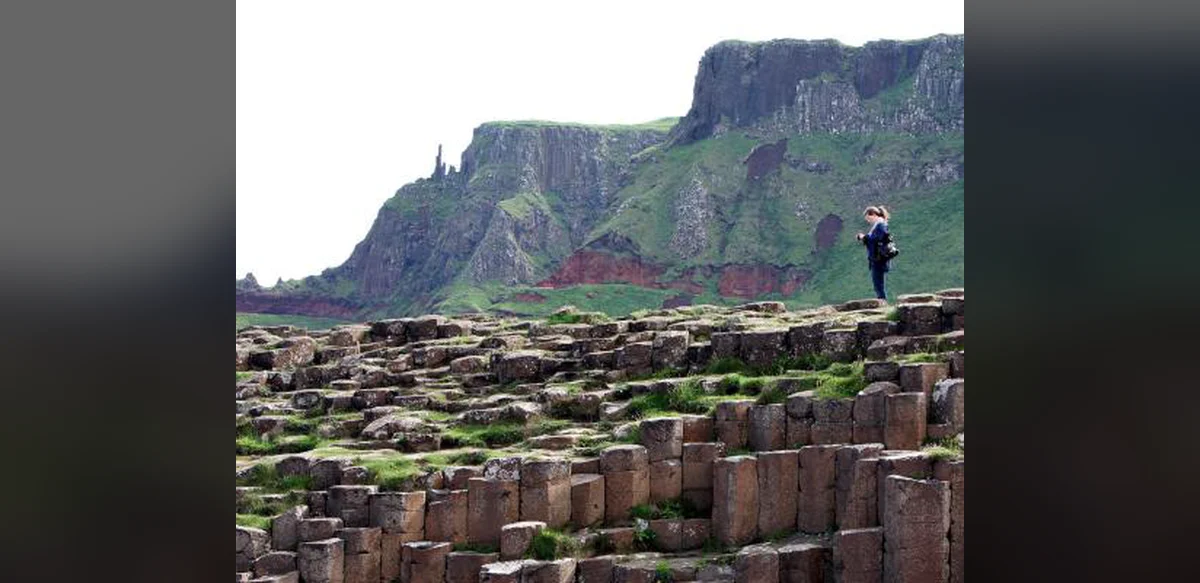
For generations, stories described how the Irish giant Finn McCool created the Giant’s Causeway in Northern Ireland by throwing pieces of coastline into the sea during a fight with a Scottish rival. Researchers have now shown that intense volcanic eruptions during a major global event, rather than any legendary conflict, produced the area’s roughly 40,000 interlocking basalt columns about 60 million years ago. Geochronologists determined the formation took place over 5.5 million years, shortening the previous estimate by 8 million years. The same processes were connected to volcanic activity recorded in distant locations such as Greenland. The study also established direct links between the earliest lava flows on the Northern Irish plateau and the basalt columns in Fingal’s Cave on the Scottish island of Staffa, which had earlier been dated millions of years later. Similar rock formations in the Mourne Mountains, on the island of Rùm, and magmatic activity on Skye fit within the same episode, allowing a more accurate timeline for volcanic events across the region. Dr Simon Tapster of the British Geological Survey noted that assembling evidence from volcanic rocks throughout the North Atlantic clarified the shorter duration of this widespread event. The Giant’s Causeway, a Unesco world heritage site, formed when thick molten rock moved through fractures in the Earth’s crust. Cooling lava contracted, creating stress that fractured the rock into mostly hexagonal columns, though some have four, five, seven or additional sides. The research supports broader efforts to refine understanding of UK geology through improved dating of rock sequences.