


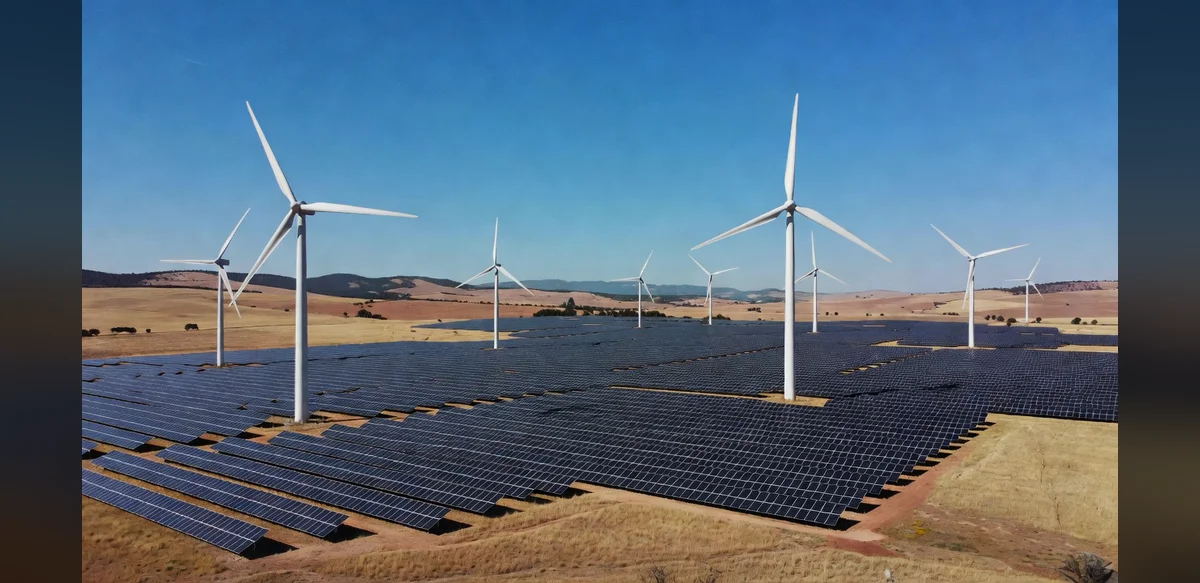
China has emerged as the foremost investor in Bangladesh’s electricity sector, with renewable energy projects playing a central role in deepening that partnership. Recent developments indicate that clean power initiatives are reinforcing Beijing’s lead over other foreign players in funding generation capacity.
Over the past decade, Chinese companies have financed multiple power plants across Bangladesh. These include both conventional facilities and an increasing share of solar and wind installations. The shift toward renewables aligns with broader regional goals to reduce reliance on imported fuels while expanding access to electricity in rural areas.
Officials in Dhaka have welcomed the additional investment, noting that it supports national targets for installed capacity. Projects backed by Chinese financing often feature long-term agreements that help stabilize supply and attract further capital. Analysts observe that such arrangements have positioned China ahead of competitors from Japan, India, and Western nations in total commitments to the power sector.
Renewable projects tend to involve lower operational costs once completed, which appeals to Bangladeshi authorities seeking sustainable growth. Solar parks in particular have seen rapid deployment in suitable southern and western regions. These installations contribute to daytime peak demand without adding to carbon emissions.
Financing structures typically combine loans from Chinese policy banks with equity from state-linked enterprises. This model has enabled quicker project execution compared with multilateral funding routes. Completion timelines for several renewable sites have been shorter than historical averages for thermal plants.
Local employment during construction phases has provided temporary economic stimulus in host communities. Training programs associated with the projects aim to build technical skills for ongoing maintenance. Over time, these efforts could support a domestic supply chain for components and services.
Challenges remain, including grid integration for intermittent sources and the need for storage solutions. Bangladesh continues to expand transmission infrastructure to accommodate new generation. Coordination between central planners and project developers is essential to avoid bottlenecks.
Regional observers note that China’s involvement extends beyond power into related areas such as port development and industrial zones. These linkages create synergies that further entrench investment ties. However, debt sustainability concerns have prompted calls for greater transparency in project terms.
Future pipelines include additional solar and wind proposals currently under feasibility study. If realized, they would widen the gap between China and other investors in cumulative funding. Policy continuity in both capitals will determine whether momentum persists.
Overall, the emphasis on renewables appears to be consolidating China’s status while helping Bangladesh diversify its energy mix. Balanced implementation that addresses environmental and financial risks will be key to long-term success.

