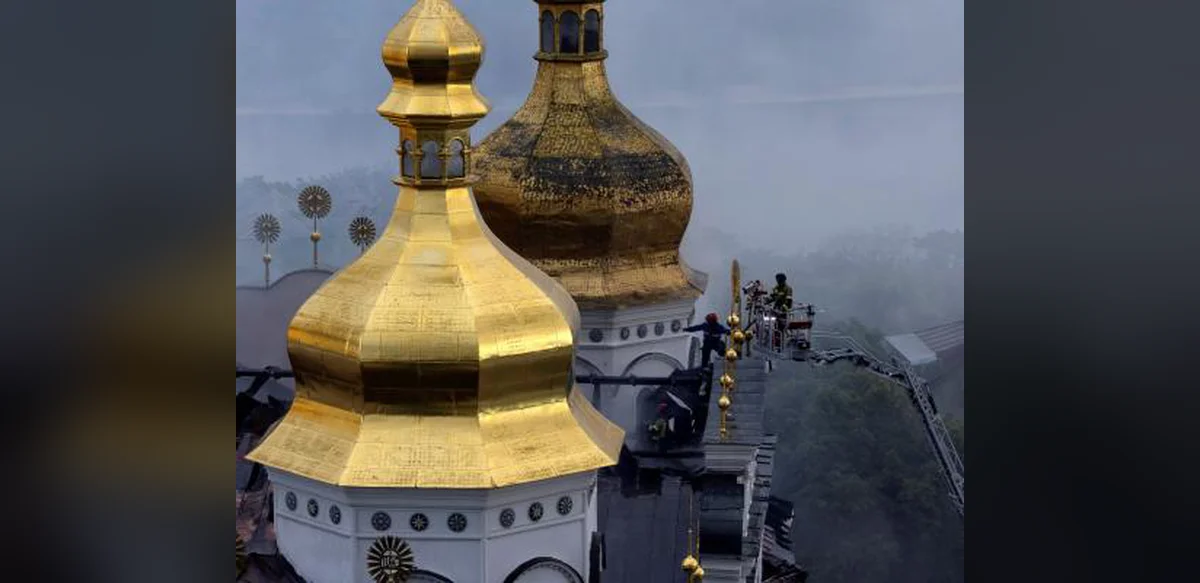
UNESCO has condemned Russian strikes on Ukraine that damaged the Kyiv-Pechersk Lavra, described as one of the country’s key spiritual and cultural sites. The organization reported harm to the Dormition Cathedral along with nearby historic buildings and fortifications. It stressed that attacks on protected cultural and educational sites violate international law and limit community access to heritage and recovery spaces. UNESCO stated it is prepared to assist authorities with damage evaluation and response measures. The G7 summit begins later today, though preparatory talks are already underway. European Commission President Ursula von der Leyen and European Council President António Costa met Swiss Confederation President Guy Parmelin. Additional bilateral meetings are scheduled, including one between Italian Prime Minister Giorgia Meloni and Japanese Prime Minister Sanae Takaichi in Rome. Costa described the overnight attacks on civilians and the UNESCO-listed Lavra as further proof of Russia’s escalation and reluctance to pursue serious peace talks. He noted that G7 leaders would discuss ways to increase pressure on Russia for a just settlement. In Kyiv, security personnel examined drone wreckage near the Lavra complex, contradicting Russian statements. A gilded dome lay in the street after striking the Art Arsenal museum. A local priest described hearing a large explosion that damaged windows and shook the building. He emphasized the site’s importance and criticized claims of military targets there. Ukraine’s foreign minister announced plans to seek urgent UNESCO and international responses to the attack. Sweden called on EU partners to do more against Russia’s shadow fleet, which transports oil despite sanctions. Swedish officials have intercepted five such vessels this year and urged shared responsibility to curb the practice due to safety and environmental risks. The fleet’s revenues help fund the war, they said. Britain recently seized a shadow fleet tanker, following similar steps by France and Belgium. Sweden also pushed for quick approval of new EU sanctions to limit Russian oil income amid rising prices. The proposed measures would keep the oil price cap at 44 dollars per barrel. Russian oil revenues reportedly fell sharply last year before market disruptions from other conflicts.