


Cuba’s healthcare and biotechnology sectors, long seen as achievements of the revolution, now face severe strain due to U.S. economic measures that extend beyond trade limits into direct pressure on essential services. Washington has increased efforts to discourage Global South nations from using Cuban medical teams, labeling the work as forced labor, a claim rejected by Havana as a means to cut off remaining foreign revenue.
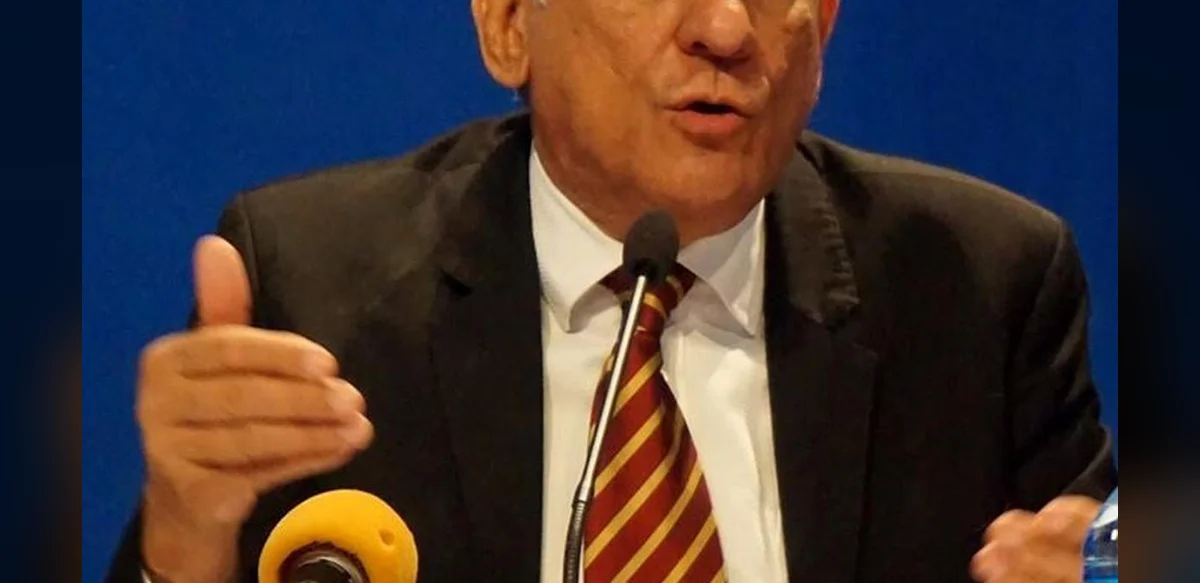
As a result, the island’s health indicators are declining for the first time in decades, while factories struggle with power outages and supply shortages. Mitchell Valdes-Sosa, director of the Cuban Center for Neuroscience and adviser to the science minister, discussed these issues in an interview.
The United States is pressuring countries to avoid cooperation with Cuba, despite Cuban doctors serving underserved regions in over 62 nations. Several governments have yielded to threats of sanctions. Havana maintains that participants receive higher pay than at home and that the revenue supports domestic hospitals. Officials argue the stated concerns over labor practices mask an intent to eliminate Cuba’s income sources and undermine its international standing gained through humanitarian work rather than military means.
Valdes-Sosa stated that Global South countries should resist such external interference in their affairs to preserve health benefits for their populations. Cuba produces over 360 essential medicines at low cost for its people, prioritizing access over profit. It also developed COVID-19 vaccines rapidly, achieving 98 percent coverage and the lowest death rate in the Western Hemisphere.
The country is adapting by pursuing a green transition in its biotech and pharmaceutical sectors, refining production methods, and expanding ties with other nations.

