


The director of the United Nations nuclear monitoring body announced on Wednesday that inspectors would eventually access Iran’s uranium enrichment sites, a key element of the temporary pact between the United States and Iran after last year’s conflict.
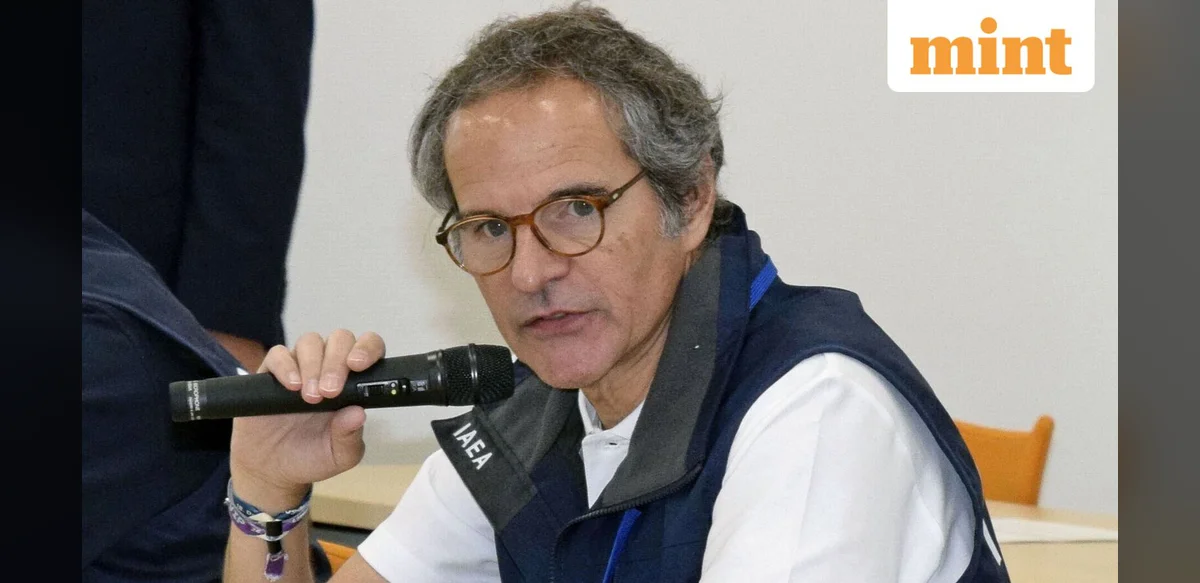
At a press event held at Japan’s Fukushima Daiichi nuclear power plant, International Atomic Energy Agency Director General Rafael Mariano Grossi voiced assurance regarding the upcoming inspections.
He noted that while political remarks are common, the key point is the Memorandum of Understanding signed by the leaders of both nations.
Grossi highlighted that the deal mandates international supervision of Iran’s nuclear operations.
The text states clearly that nuclear activities involving material facilities will be overseen by the IAEA, he added.
Iran disputes immediate entry
Iranian officials quickly disputed the claim, highlighting persistent issues with the deal’s execution.
Deputy Foreign Minister Kazem Gharibabadi indicated that talks about facility inspections would only happen during final comprehensive negotiations.
Such matters will be addressed solely in the context of a complete agreement following concrete steps by the opposing party to lift all sanctions, he posted on social media.
He condemned attempts to pressure the Iranian government through public campaigns.
Key issues in verification
The disagreement focuses on Iran’s enrichment plants, which have been off-limits to IAEA personnel since the brief 2025 war involving Israel and Iran.
The organization has maintained oversight at certain sites like the Bushehr power plant. Yet, verification of the highly enriched uranium reserves and centrifuge operations remains impossible.
Iran asserts its nuclear efforts are for peaceful purposes and no enrichment has occurred post-conflict. Still, experts in nonproliferation worry about possible relocation of materials to secret sites absent checks.
Grossi insisted that checks will occur as per the pact.
He said inspections are necessary, and the timing, whether soon or later, is secondary to the fact that they will take place.
Uranium reserves central to pact
A main part of the temporary US-Iran arrangement calls for Tehran to lower the enrichment grade of its uranium holdings via downblending.
In return, the US has consented to relax restrictions on Iran’s petroleum industry as negotiations for a wider deal proceed over 60 days.
This setup serves as a short-term trust measure to avoid further conflict after 2025.
Next discussions anticipated
Diplomatic activities persist, with expert talks set to restart the following week at the Bürgenstock resort in Switzerland.

