


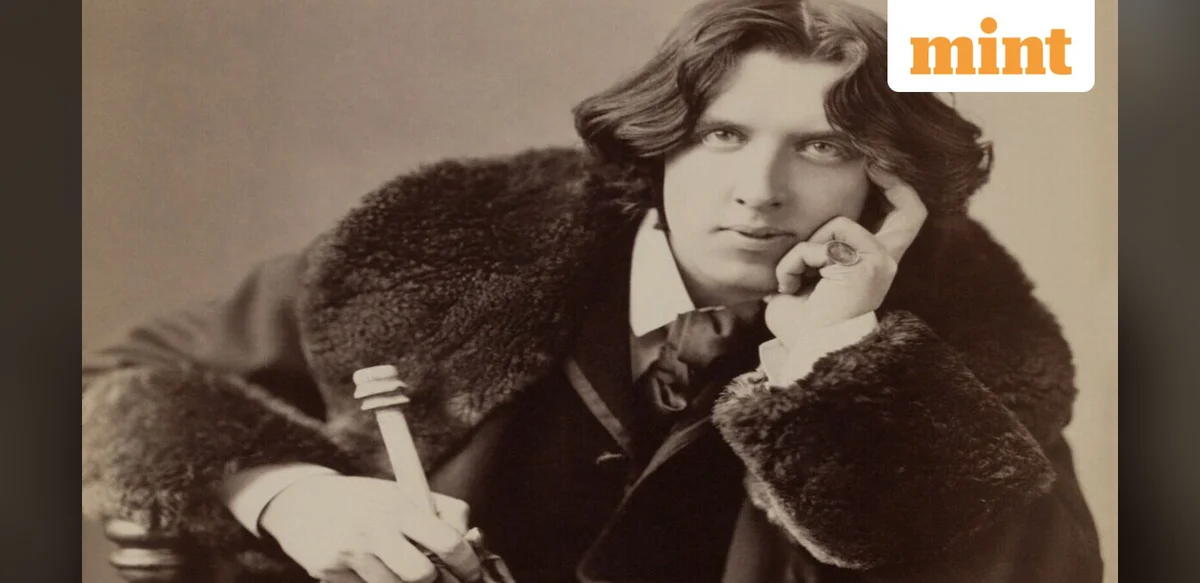
The statement “To live is the rarest thing in the world. Most people exist, that is all” ranks among Oscar Wilde’s most reflective comments on human existence. Wilde separates mere survival from genuine living. He indicates that numerous individuals remain caught in daily patterns, external pressures and anxieties, without realizing their full capabilities. The remark urges people to pursue meaning, enthusiasm, originality and personal expression. It underscores that existence gains value only when one participates actively instead of drifting through it.
The observation shows that authentic living demands consciousness, direction, enthusiasm and genuineness, whereas many simply repeat habits without grasping life’s deeper significance.
Oscar Wilde, the noted Irish dramatist, poet and writer, composed these lines in his 1891 essay The Soul of Man Under Socialism. The piece examines individuality, liberty and the value of a purposeful life.
The remark underlines the contrast between existing and living. Existing refers to moving through days automatically, obeying schedules, fulfilling duties and meeting expectations without deeper thought. Living, by contrast, means encountering each day with awareness, energy and intent.
It includes following aspirations, accepting difficulties, building significant connections and noticing the richness of ordinary moments. Wilde held that many accept safety and uniformity, while only a minority fully seize life’s chances. Hence he calls real living “the rarest thing in the world.”
The words strike a chord because they mirror a widespread experience. Many become absorbed in tasks, duties and social norms, overlooking opportunities to enjoy life. In the current rapid environment, individuals frequently prioritize output over satisfaction.
Wilde’s observation prompts introspection and motivates readers to consider whether their actions align with their principles and interests. The statement stays pertinent as it pushes people to find significance beyond basic endurance and to value each day.
Readers can apply the idea by defining personal objectives that matter, following pastimes that bring satisfaction, sharing time with close relations, staying attentive to the present, accepting measured chances to chase ambitions, acquiring fresh abilities and noticing small daily joys.
Oscar Wilde was born on 16 October 1854 in Dublin, Ireland, to Sir William Wilde, a distinguished surgeon, and Jane Francesca Wilde, a poet and nationalist who published as “Speranza.” He attended Portora Royal School, then Trinity College Dublin and Magdalen College, Oxford, where he performed well and honed his writing skills. In 1884 he married Constance Lloyd; they had two sons, Cyril and Vyvyan.
He gained recognition for The Picture of Dorian Gray and The Importance of Being Earnest. Celebrated for his humour, insight and social observations, he endures as a leading figure in English letters. He died on 30 November 1900 in Paris, France.

