


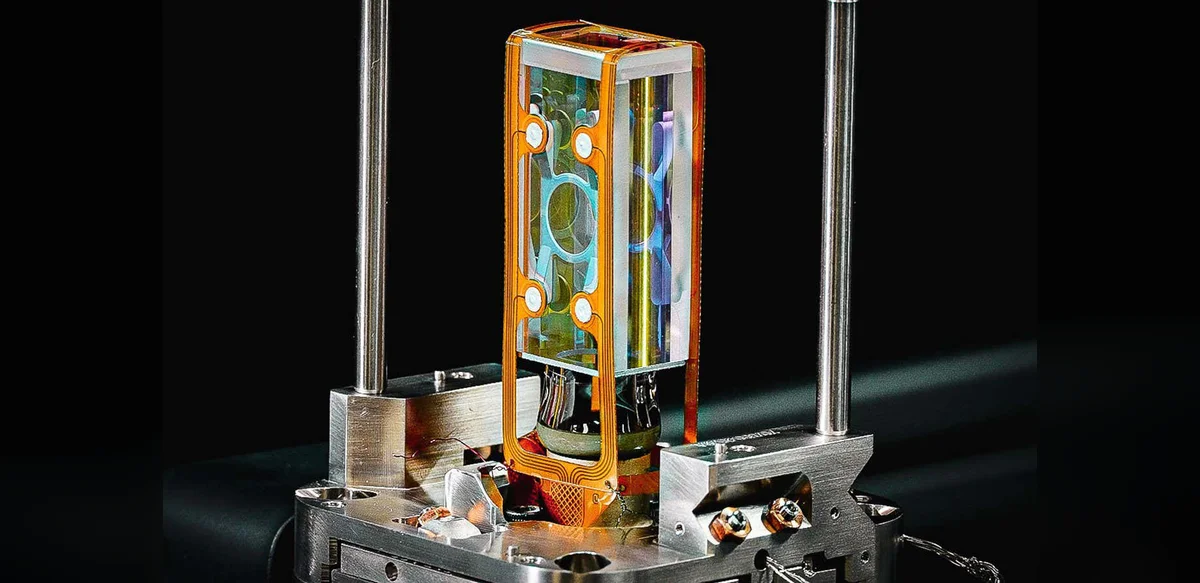
The US government aims to accelerate quantum computer development to obtain a functional system within two years. Officials plan to deploy it for advancing research in new materials, pharmaceuticals, and molecules relevant to agriculture and manufacturing.
Quantum computers exist but remain limited in scale and reliability, with current devices too small and error-prone for clear practical value. The Department of Energy’s Quantum Genesis initiative targets 2028 for meaningful progress through a new competition and a planned national quantum supercomputing facility, part of the broader Genesis Mission.
By that year, the goal is for quantum systems to address open questions in chemistry, materials science, plasma physics, and high-energy physics. Recent advances in qubit construction and error-correction algorithms support this timeline, with artificial intelligence expected to aid optimization of system control.
Industry observers describe the 2028 target as ambitious yet feasible, aligning with prior corporate roadmaps. The announcement follows executive orders on quantum technology and a $2 billion investment in related companies. While some quantum sensors are nearing wider use, including potential space applications, quantum computing faces greater technical and supply-chain hurdles.
Similar efforts exist elsewhere, with the UK targeting large-scale systems after 2030 and China prioritizing the field in its five-year strategy. The US timeline remains the most aggressive.

