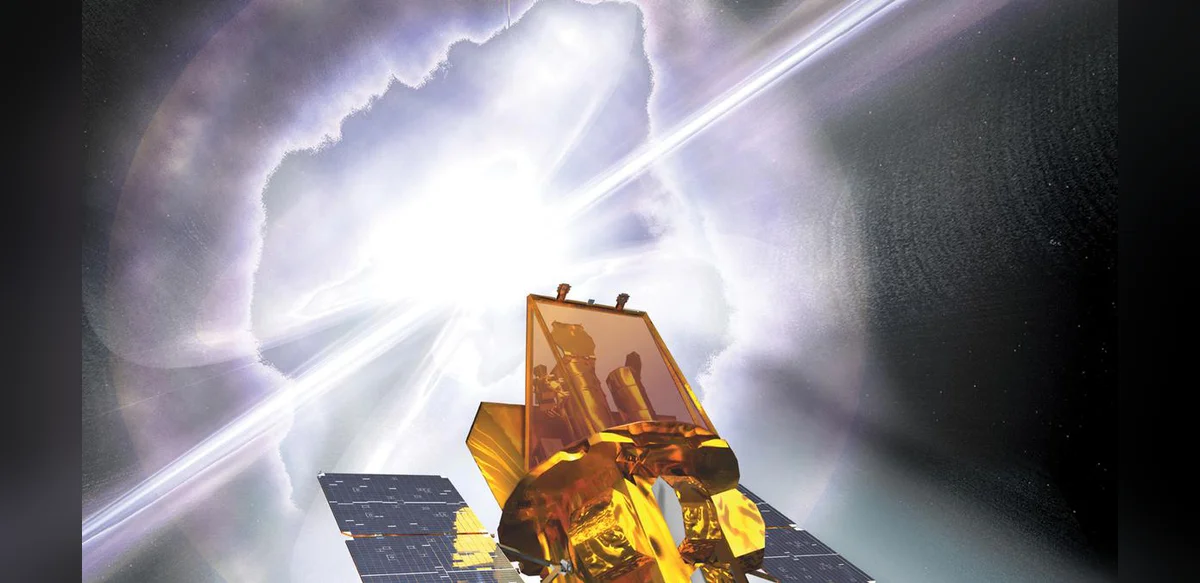
NASA plans to launch a robotic rescue mission on June 30, 2026, in a high-risk effort to keep one of its older telescopes from burning up in the atmosphere. Success could demonstrate methods for extending the life of other satellites. The multi-month operation starts with liftoff of a robot built to reach the Swift telescope now descending toward Earth. The Katalyst-developed spacecraft will launch at 1023 GMT from a Pacific atoll on a Pegasus rocket released from a jet rather than a pad. Once near the telescope, the robot must locate it, grasp it with three arms, and raise its orbit by roughly 300 kilometers over at least a month. Launched in 2004 for a two-year mission, Swift studies brief but powerful gamma-ray bursts from an altitude of about 600 kilometers. Lacking propulsion, it gradually loses height due to atmospheric drag intensified during active phases of the Sun. NASA decided the telescope’s scientific value justified the attempt. The $30 million project faces many unknowns, including limited data on the telescope’s rear surface where attachment must occur. Officials rate the chance of success around 50 percent yet view the effort as a possible step toward routine satellite servicing.