


India’s maternal health infrastructure has grown considerably in the past twenty years. Facility-based deliveries have risen. Coverage of antenatal care has increased. Community health workers known as ASHAs now form a key part of outreach efforts. These represent notable gains.
The main issue is that many of these systems were built for a climate that has since shifted.
An analysis by Climate Central showed India now faces six extra days each year when heat raises risks for pregnancies due to climate change. In Mumbai, such days increased by 26 over five years.
The effects are significant. A 2024 review in Nature Medicine, drawing on 198 studies from 66 countries, indicated heatwaves raise preterm birth risk by 26 percent. Studies of outdoor workers in India connect heat stress to higher miscarriage rates. Heat exposure also links to low birth weight and stillbirth.
These risks are critical for India, which already has one of the highest preterm birth rates globally, with about one in six infants born early. Preterm infants face greater chances of death in the first week. Decades of advances in maternal and newborn health now face pressure from rising temperatures.
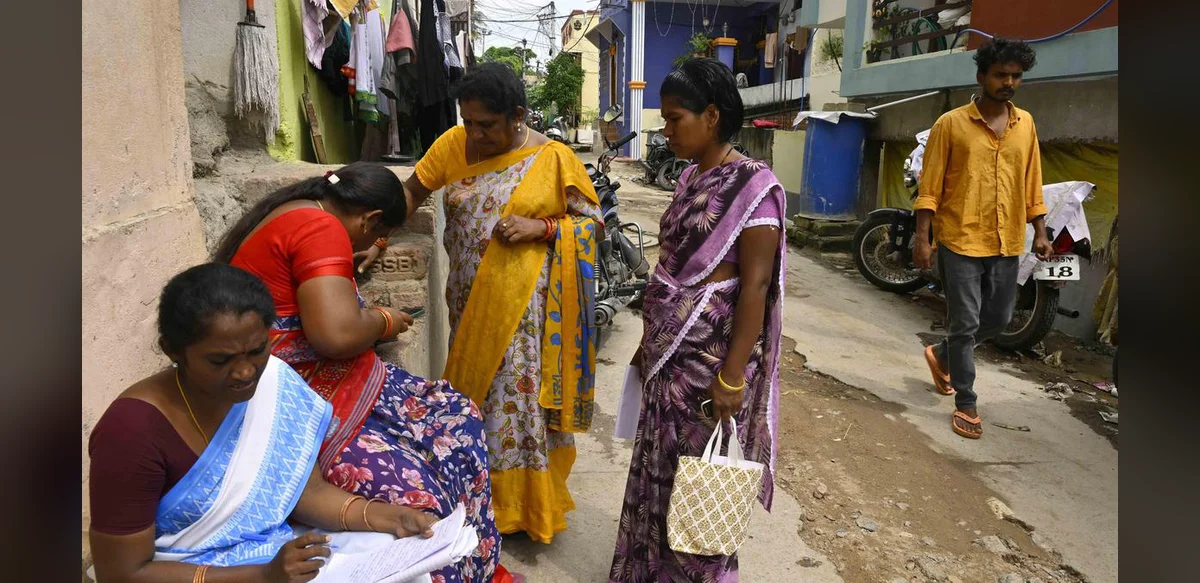
The same pressures affect frontline staff. Over a million ASHAs operate nationwide, often traveling long distances in extreme heat to check pregnancies, aid vaccinations and provide services. They receive little protection from the climate hazards they help communities manage.
A recent report notes that climate resilience often rests with these workers before it enters official policy. For maternal health, ASHAs and similar staff increasingly handle climate stresses such as heat, water shortages, food insecurity and interrupted care access, yet lack specific training, guidelines or support. Resilience occurs, but in informal and under-recognised forms.
When heat makes visits harder, pregnancies go unchecked and records become incomplete. These effects seldom show in climate data but remain real impacts.
India has many programmes and institutions. What is often missing is coordination. Climate and health are managed separately, with heat seen as a disaster issue, climate change as environmental and maternal health as a medical matter. Pregnant women encounter all these risks together.
Heat Action Plans should list pregnant women, newborns and frontline workers as priority groups. Antenatal programmes should add heat-risk checks covering living conditions, work exposure and cooling access. ASHAs require training on climate effects and recognition of heat as an occupational concern. Facilities need cooling upgrades through better design, roofs, ventilation or power. Improved data systems are also needed to monitor links between extreme heat and maternal or neonatal results.
These steps do not require entirely new systems. They involve adjusting existing ones.
An example from Ahmedabad shows this. In the 2010 heatwave, doctors saw more newborns with unexplained fevers. The maternity ward was on the top floor under a heat-absorbing roof. Moving it to a cooler floor cut heat-related admissions. Adaptation can be simple once risks are recognised.
India’s maternal health progress over two decades has been consistent. Climate change now tests that progress. Current heat levels differ from those faced by previous generations during pregnancy.
Temperature is not the only factor. Vulnerability also depends on housing, work, service access and public system strength. The women facing greatest climate health risks often already deal with economic and social challenges.
Risks are evolving, so institutions must adapt. The base structures are in place. The task is to update them accordingly.

